

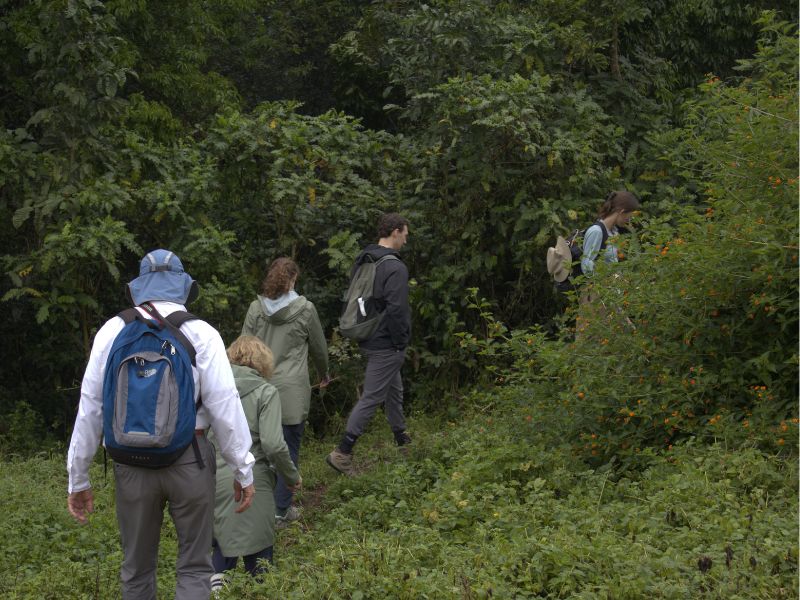
What is the best time to visit Uganda for safari? is one important question to start with when planning a safari in Uganda. The good news is that Uganda is a rewarding safari destination throughout the year. The better answer is that the best time to visit Uganda for safari for depends on what matters most to you. Some travelers want easier gorilla trekking conditions, some want the clearest wildlife viewing, while others prefer greener landscapes, birdwatching, or quieter travel periods.
For many first-time visitors, understanding Uganda safari weather makes the planning process much easier. In general, the dry seasons are often preferred for gorilla trekking and wildlife viewing, while the wetter months can still be excellent for lush scenery, fewer crowds, and strong birdwatching opportunities. Whether you are interested in Bwindi Impenetrable National Park, Mgahinga Gorilla National Park, Queen Elizabeth National Park, Murchison Falls National Park, Kibale National Park, or Lake Mburo National Park, knowing the best time to visit Uganda for safari helps you plan with more confidence.
If you are comparing travel dates and trying to match them to the right itinerary, this is where local guidance really helps. Choosing the right season depends on the kind of experience you want, and our team can help tailor a Uganda safari around your priorities, pace, and budget. You can start by exploring our Homepage and [Uganda safari packages page] for ideas.
Is There a Best Time to Visit Uganda for Safari?
Yes, but it depends on your travel goals.
The short answer
Uganda is a year-round safari destination. However, the dry seasons, usually from June to August and December to February, are generally the best for travelers who want easier trekking, smoother game drives, and simpler travel logistics. These are often considered the best months for Uganda safari if your focus is classic safari conditions and if you are trying to choose the best time to visit Uganda for safari for first-time travel.
The wet seasons, usually from March to May and September to November, can still be highly rewarding. These months often bring greener landscapes, fewer visitors in some areas, and excellent birdwatching. For travelers who do not mind some rain and want a more lush, atmospheric experience, the wetter months can be a very good best time to visit Uganda for safari if scenery, birdlife, and quieter travel matter most.
Why the “best” time depends on your travel goals
There is no single perfect month for every traveler. The best season depends on what you want most from your trip:
- For gorilla trekking, many travelers prefer drier months because forest trails are usually less muddy.
- For wildlife viewing, dry months often make animals easier to spot in savannah parks.
- For chimpanzee trekking, Kibale can be visited all year, but drier periods are often more comfortable underfoot.
- For birdwatching, wetter months are especially appealing.
- For fewer crowds, lower-season months can be attractive.
- For green scenery and photography, wet seasons can be beautiful.
This is why thoughtful trip planning matters. A well-designed safari is not just about picking dates. It is about matching those dates to the parks, activities, and pace that suit you best. You can learn more about who we are and how we plan safaris on our [About us page].
Uganda Safari Weather and Seasons Explained
Uganda’s climate is often easier to understand when you think in terms of dry seasons and wet seasons, rather than extreme temperature changes. Because of the country’s varied altitude and landscapes, conditions can differ between parks, but seasonal patterns are still very helpful for trip planning, especially when deciding the best time to visit Uganda for safari.
Uganda safari dry season
The Uganda safari dry season usually falls between June and August and again from December to February. These are the months many travelers choose for classic safari travel.
During the drier periods, trails are often less muddy, roads and park access tend to be easier, and vegetation is less dense in savannah areas. This can improve visibility during game drives in places like Queen Elizabeth National Park, Murchison Falls National Park, and Lake Mburo National Park. Dry months are also especially popular for gorilla trekking because hiking conditions are often more comfortable.
These are often the best months for Uganda safari if your priority is straightforward travel, easier trekking, and traditional wildlife viewing conditions.
Uganda’s wet season
Uganda’s wet seasons usually run from March to May and September to November. These months are sometimes overlooked by first-time travelers, but they can still be very rewarding.
Rain does not necessarily mean constant, heavy rain all day. Conditions can vary by region and by day. In many cases, travelers still enjoy successful safaris during the wet season, especially when expectations are realistic and itineraries are planned well. The landscapes become greener, photography can be very beautiful, and birdwatching is often excellent.
Gorilla trekking still takes place throughout the year, including during wetter months. The main difference is that trails can be steeper, muddier, and more physically demanding.
What international travelers should know about Uganda’s climate
One of the most useful things to understand about Uganda safari weather is that conditions change with altitude and location.
Bwindi and Mgahinga, for example, are highland forest parks. They can feel cool, misty, and damp even during the drier months. Murchison Falls and Queen Elizabeth often feel warmer and drier by comparison, especially in open savannah areas. Kibale can also be humid and lush, with forest conditions changing quickly after rain.
That is why it is wise to pack for a range of conditions in any season. Layers, waterproof outerwear, and sturdy footwear are useful year-round. For destination-specific planning, see our [Bwindi destination page], [Murchison Falls destination page], [Queen Elizabeth National Park page], and [Kibale National Park page].
Best Months for Uganda Safari by Travel Interest
The best time to visit Uganda for safari becomes much clearer when you start with your top priority. Here is how to think about the timing of different safari experiences.
Best time for gorilla trekking in Uganda
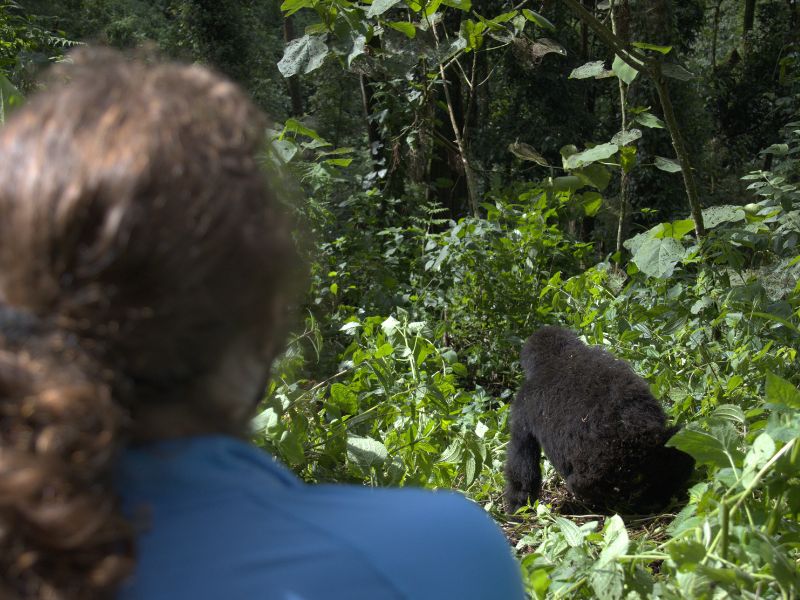
The best time for gorilla trekking in Uganda is often during the drier months of June to August and December to February. Gorilla trekking is possible all year, but many travelers prefer these periods because trails are usually less muddy and hiking conditions are generally easier.
This matters most in Bwindi Impenetrable National Park and Mgahinga Gorilla National Park, where terrain can be steep and slippery in wetter months. Trekking during rainy periods is still rewarding, but it can be more physically demanding. Good hiking boots, waterproof clothing, and realistic expectations become even more important.
For travelers choosing between Bwindi and Mgahinga, local advice can make a real difference. Route preferences, fitness level, overall itinerary, and permit availability may all affect which park suits you best. Our [Gorilla trekking tours page] and [Bwindi destination page] are a good place to continue planning.
Best time for wildlife safaris in Uganda’s savannah parks
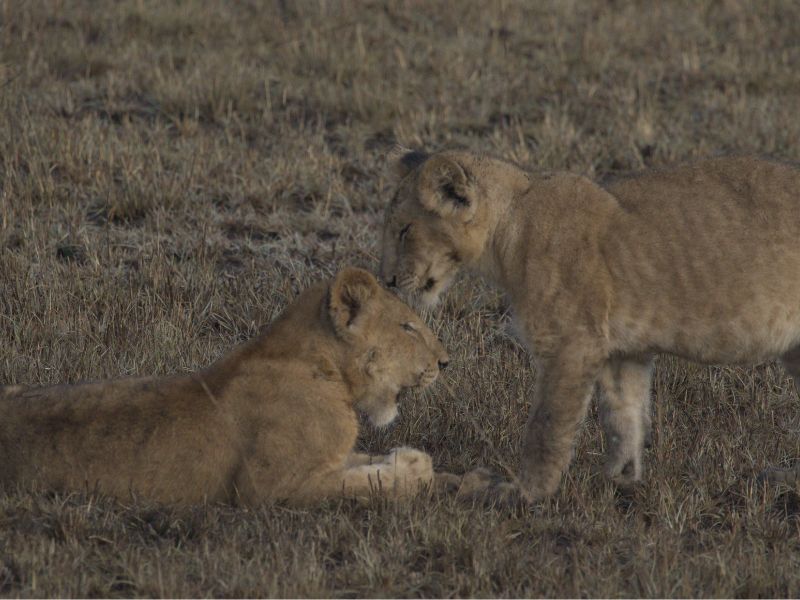
If you are wondering when to visit Uganda for wildlife safari, dry months are often the most practical choice. This is especially true in Uganda’s savannah parks, including Queen Elizabeth National Park, Murchison Falls National Park, and Lake Mburo National Park.
During drier periods, grass and vegetation are often thinner, which can improve wildlife visibility. Animals may also spend more time near water sources, which can make sightings easier during game drives and boat safaris. These months are therefore often the best time to visit Uganda for safari if your main goal is classic wildlife viewing.
That said, wildlife sightings always vary. No responsible safari company should promise guaranteed sightings. The season may improve viewing conditions, but nature always remains natural. For park-specific inspiration, visit our [Queen Elizabeth National Park page] and [Murchison Falls destination page].
Best time for chimpanzee trekking in Kibale National Park
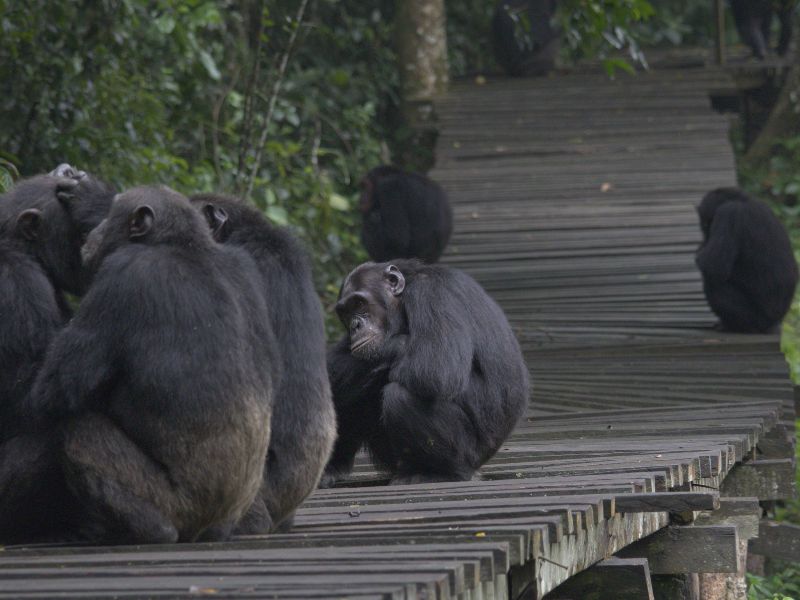
Kibale National Park is one of Uganda’s best-known places for chimpanzee trekking, and it can be visited throughout the year. Many travelers prefer drier months for easier walks in the forest, but wetter months still offer rewarding primate encounters and rich forest scenery.
If you are combining chimpanzee trekking with gorilla trekking and a wildlife safari, seasonality becomes even more important. A well-balanced itinerary can help you get the best from each environment without overcomplicating travel logistics. Our [Chimpanzee trekking tours page] and [Kibale National Park page] are useful next steps if you want to explore that option.
Best time for birdwatching in Uganda
Birdwatchers often appreciate the wetter seasons more than general safari travelers do. During rainy periods, many landscapes are lush and productive, and migratory birds are often present. If birding is a major priority, wetter months can be an excellent time to travel.
Strong birdwatching opportunities can be found in Queen Elizabeth National Park, Kibale National Park, Murchison Falls National Park, Lake Mburo National Park, and the forest-edge habitats around Bwindi. For travelers who enjoy both wildlife and birding, the wet season can offer a very rewarding balance.
Best time to visit Uganda for fewer crowds
If you prefer quieter parks and a less busy feel, the wet seasons may suit you well. Some routes and lodges may feel less crowded during these periods, and the overall pace of travel can feel calmer.
However, fewer crowds do not mean you can plan late, especially if gorilla trekking is part of your trip. Permits should still be booked well in advance, particularly if your travel dates are fixed.
Month-by-Month Guide to the Best Time to Visit Uganda for Safari
A month-by-month view can be especially helpful for first-time visitors deciding between travel windows.
January to February
This is usually part of the dry season and is widely considered a strong time for gorilla trekking and game drives. Trails are often easier, wildlife viewing is generally good, and travel logistics tend to be simpler.
Best for: Gorilla trekking, wildlife viewing, first-time visitors
Watch out for: Busy travel periods and limited permit availability if booked late
Recommended traveler type: Travelers who want classic safari conditions and easier planning
March to May
This is one of the wetter parts of the year. Landscapes are greener, birdwatching can be very good, and some travelers appreciate the quieter atmosphere. However, roads and trails can be more challenging in some areas.
Best for: Birdwatching, green scenery, travelers who do not mind some rain
Watch out for: Slippery trails, muddy access roads, slower travel in some areas
Recommended traveler type: Flexible travelers, photographers, birders, and lower-season visitors
June to August
This is the main dry season and one of the strongest periods for safari travel in Uganda. It is often excellent for gorilla trekking, game drives, and multi-park itineraries. For many travelers, this is the best time to visit Uganda for safari if they want the easiest overall balance.
Best for: Gorilla trekking, savannah wildlife viewing, combined safari itineraries
Watch out for: Peak demand for permits and accommodation
Recommended traveler type: First-time safari travelers and visitors wanting the easiest overall conditions
September to November
The wet season returns, bringing greener landscapes and good birdwatching opportunities. Conditions can still be very rewarding, especially for travelers comfortable with more seasonal variation.
Best for: Birding, lush scenery, quieter travel periods
Watch out for: Rain-related delays or muddier trail conditions
Recommended traveler type: Travelers seeking a greener safari experience with fewer crowds
December
December often marks a return to drier conditions and is a popular month for holiday travel. It can be a very good time for gorilla trekking and wildlife safaris, and for some travelers it becomes the best time to visit Uganda for safari because it aligns with vacation schedules.
Best for: Holiday safaris, wildlife viewing, trekking
Watch out for: Early sellouts for permits and lodges
Recommended traveler type: Travelers planning festive season or end-of-year safaris
Best Time by Destination in Uganda
Different parks shine in different ways depending on the season. Looking at each destination can help you narrow your travel dates.
Bwindi Impenetrable National Park
Bwindi is best known for gorilla trekking. It can be visited year-round, but drier months are often preferred because hiking is usually easier. Wet months still offer a beautiful, misty forest atmosphere and rewarding treks for travelers prepared for more challenging conditions.
For more details, see our [Bwindi destination page].
Mgahinga Gorilla National Park
Mgahinga is another excellent gorilla trekking destination and a good alternative for travelers looking for a slightly different trekking setting. Seasonal logic is similar to Bwindi, with drier months generally offering easier hiking conditions. Because it is at high altitude, travelers should also expect cooler temperatures.
Queen Elizabeth National Park
Queen Elizabeth is one of Uganda’s most varied safari parks, with game drives, boat safaris, crater landscapes, and strong birdlife. Dry months often make wildlife viewing easier because vegetation is less dense and access is often simpler.
Explore more on our [Queen Elizabeth National Park page].
Murchison Falls National Park
Murchison Falls offers a strong combination of savannah wildlife, river experiences, and dramatic scenery. Dry months are often favored for easier game viewing and more predictable road conditions, especially for travelers combining game drives with the Nile boat experience.
See our [Murchison Falls destination page] for more.
Kibale National Park
Kibale is excellent for chimpanzee trekking throughout the year. Drier months are often easier for forest walks, but travelers who enjoy lush tropical landscapes may also appreciate wetter months.
Learn more on our [Kibale National Park page].
Lake Mburo National Park
Lake Mburo is a good option for shorter safaris, scenic landscapes, birding, and wildlife viewing. It can work well in both dry and wet seasons depending on your interests, route, and the length of your trip.
Dry Season vs Wet Season Safari in Uganda
Many travelers narrow their planning down to one question: should I travel in the dry season or wet season?
Why many travelers choose the dry season
Dry months are often chosen because they make travel simpler. Trekking trails are usually easier, game drives are often smoother, and wildlife visibility in savannah parks can be better. For first-time travelers, these months often feel more straightforward and easier to plan around.
If you want a safari centered on gorilla trekking, game drives, and classic wildlife conditions, the dry season is usually the safest fit.
Why the wet season can still be a great choice
The wet season can be very rewarding in its own right. Forests and savannahs look greener, birdwatching can be excellent, and some routes may feel less busy. For photographers, the moodier skies and richer landscapes can also be very appealing.
A wet-season safari is not a bad safari. It simply requires a different mindset. Flexibility, realistic expectations, and the right packing list matter more.
Which season is right for you?
Choose the dry season if you want:
- easier gorilla trekking
- simpler road conditions
- classic game viewing
- a more straightforward first safari experience
Choose the wet season if you want:
- lush landscapes
- strong birdwatching
- fewer crowds in some periods
- a more atmospheric, green safari setting
The best time to visit Uganda for safari is the one that matches your top priorities, not just the one most people talk about.
Practical Travel Tips for Choosing When to Visit Uganda
Good safari planning is about more than choosing a month. These practical considerations can make your trip smoother and more enjoyable, whatever you decide is the best time to visit Uganda for safari.
Book gorilla permits early
If gorilla trekking is part of your safari, book early. This is especially important for popular travel periods such as June to August, December, and February. Permit availability can shape your whole itinerary, so it is best to start planning well in advance.
Be realistic about rain
Rainy season does not mean your safari will be ruined. In many cases, rain comes in bursts rather than lasting all day. The key is to travel with the right expectations and allow some flexibility in how you think about conditions.
Prepare for road and trail conditions
Some roads and park access routes may be affected by heavier rain, especially in more remote areas. Forest trails can also become slippery. This is one reason why experienced planning, a good vehicle, and the right pacing matter so much.
Pack for changing conditions
A smart packing list should include:
- a waterproof jacket
- sturdy hiking boots
- layers for cool mornings and evenings
- sun protection
- insect repellent
Even in the dry season, mountain and forest conditions can change quickly.
Match your itinerary to the season
One of the most helpful ways to plan is to match your destinations to your season. Gorilla trekking and savannah wildlife can work very well together in dry months. Birding-focused trips may shine in wetter periods. First-time travelers often prefer dry-season simplicity, while repeat visitors may enjoy the quieter and greener atmosphere of the rainy months.
This is also where our planning support becomes especially useful. We help travelers choose the right parks, route, and travel month based on fitness, interests, travel style, and budget. You can explore options on our [Uganda safari packages page] or reach out directly through our [Contact page].
Recommended Uganda Safari Tours to Consider by Season
Different safari styles suit different seasons. Here are some natural ways to think about the right tour type.
Gorilla trekking-focused safaris
Gorilla trekking safari packages are often most popular in the drier months, especially for travelers focusing on Bwindi or Mgahinga. If your priority is trekking comfort and easier hiking conditions, this is often the best time to visit Uganda for a safari.
These tours work particularly well for travelers who want:
- a gorilla-focused experience
- fewer weather-related trekking challenges
- a short but high-value Uganda safari
A good next step is to explore our [Gorilla trekking tours page].
Wildlife and game drive safaris
Uganda wildlife safari packages are often strongest in the dry seasons, when wildlife viewing in Queen Elizabeth, Murchison Falls, and Lake Mburo can be easier. These itineraries suit travelers looking for classic game drives, boat safaris, and broad landscapes.
They are especially good for:
- first-time safari visitors
- travelers focusing on savannah wildlife
- travelers wanting a traditional East African safari feel
Combined primate and wildlife itineraries
Combined gorilla and wildlife safari tours are one of the most rewarding ways to see Uganda, especially if you want to experience both forest and savannah environments in one trip. These itineraries often include gorilla trekking, chimpanzee trekking, and game drives.
They are ideal for travelers who want:
- gorilla trekking
- chimpanzee trekking
- wildlife safaris in one journey
- a more complete view of Uganda’s safari diversity
These trips can be especially effective in the drier months, though they can also be adapted for wet-season travel with the right planning.
Flexible year-round safari options
Some travelers are working around school breaks, annual leave, or specific holiday dates. That is where custom Uganda safari itineraries and short Uganda safari getaways can be especially useful. Uganda can be enjoyed year-round, so flexibility in route and pace often matters more than chasing one “perfect” month.
A tailored safari can help match:
- your available dates
- your comfort level with weather conditions
- your preferred activities
- your budget and travel pace
For ideas and planning support, visit our [Uganda safari packages page], [Chimpanzee trekking tours page], and [Contact page].
So, When Is the Best Time to Visit Uganda for Safari?
The best time to visit Uganda for safari depends on the kind of trip you want most. Uganda is a year-round safari destination, and every season offers something different.
If your priority is easier gorilla trekking, classic game drives, and simpler travel conditions, the dry seasons from June to August and December to February are usually the strongest choice. If you are more interested in birdwatching, lush landscapes, greener scenery, and potentially fewer crowds, the wet seasons from March to May and September to November can still be highly rewarding.
There is no one-size-fits-all answer, which is exactly why careful planning matters. The right safari comes from choosing the season that matches your goals, not from following a generic travel rule. Contact us today to plan your ideal Uganda safari based on the season, your travel goals, and the experiences you want most. You can also begin by visiting our [Homepage] or getting in touch through our [Contact page].
Frequently Asked Questions About the Best Time to Visit Uganda for Safari
When is the best time to visit Uganda for safari?
For many travelers, the best time is during the dry seasons from June to August and December to February. These months are often preferred for gorilla trekking, game drives, and easier road and trail conditions.
Is Uganda good for safari all year round?
Yes. Uganda can be visited throughout the year. Dry months are often better for classic safari conditions, while wet months can offer greener scenery, birdwatching, and fewer crowds in some areas.
When is the best time for gorilla trekking in Uganda?
The best time for gorilla trekking in Uganda is often during the drier months, especially June to August and December to February. Gorilla trekking is still possible year-round, but rainy months can mean muddier and more challenging trails.
Is rainy season bad for safari in Uganda?
Not at all. Rainy season can still be a very rewarding time to visit, especially for birdwatching, photography, and lush scenery. The main trade-off is that some roads and trails can be more difficult.
When should I book my Uganda safari and gorilla permits?
As advised by Uganda Tourism Board(UTB), It is best to book as early as possible, especially if you plan to travel in peak dry-season months or during holiday periods. Gorilla permits and preferred lodges can fill well in advance.