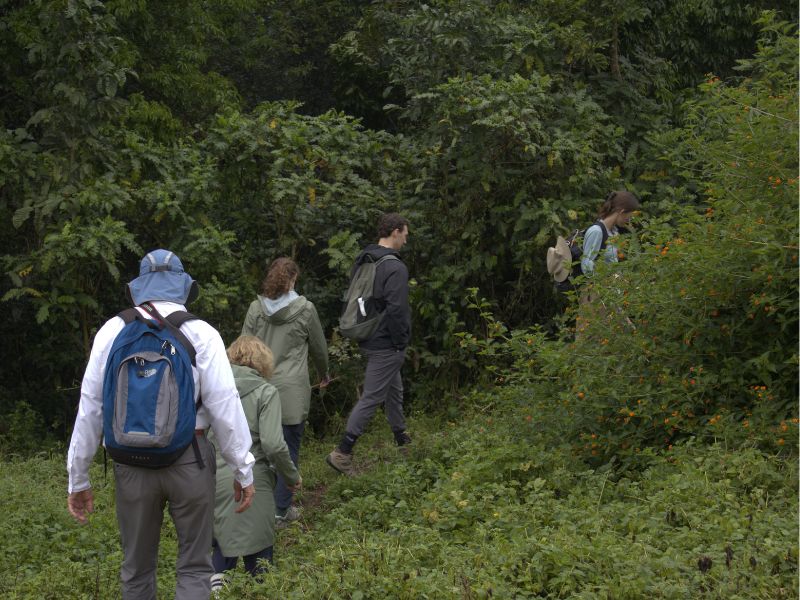
These Uganda safari travel tips are designed to help you plan safely, responsibly, and efficiently—whether this is your first safari or a return journey. For first-time visitors, Uganda presents an accessible yet immersive safari destination. For returning travelers, the country continues to reveal deeper layers of biodiversity, remote wilderness, and authentic encounters.
These Uganda safari travel tips will enhance your experience as you explore the diverse wildlife and stunning landscapes of Uganda. By following these Uganda safari travel tips, you ensure your journey is both enjoyable and respectful of the local environment.
Incorporating these Uganda safari travel tips into your planning process will help you navigate the complexities of safari travel and truly appreciate Uganda’s natural beauty.
For an unforgettable adventure, these Uganda safari travel tips provide essential insights into the best times to visit and what to expect during your trip.
Consider these Uganda safari travel tips to make the most of your wildlife encounters and create lasting memories.
This guide covers entry requirements, health preparation, packing essentials, trekking rules, regional differences, transportation, accommodation, costs, cultural etiquette, and responsible travel practices, making it a comprehensive planning resource for any Uganda safari.
Uganda safari trips offer one of Africa’s most diverse and rewarding wildlife experiences. Known as the Pearl of Africa, Uganda combines mountain gorilla trekking, classic savannah safaris, tropical rainforests, freshwater ecosystems, and rich cultural heritage within a relatively compact geographic area.
Why Choose Uganda for a Safari?
Uganda stands out from many African safari destinations because it offers both primate-focused experiences and traditional big game safaris.
Key Reasons Travelers Choose Uganda
- Home to over 50% of the world’s remaining mountain gorillas
- More than 1,000 recorded bird species
- Unique combination of forest, savannah, wetland, and alpine ecosystems
- Less crowded national parks compared to some East African alternatives
- Opportunities for gorilla trekking, chimpanzee tracking, boat safaris, and game drives
Uganda’s safari model blends adventure, conservation, and cultural interaction, making it ideal for travelers seeking depth rather than mass tourism.
These Uganda safari travel tips also provide insights into cultural sensitivities that can enrich your visit.
Entry Requirements for Uganda Safari Travelers
Adhering to these Uganda safari travel tips ensures that you respect both the wildlife and the local communities throughout your journey.
Implementing these Uganda safari travel tips will prepare you for the unique challenges and joys of exploring this beautiful country.
These Uganda safari travel tips highlight the importance of being well-prepared for your adventure.
Utilizing these Uganda safari travel tips can significantly enhance your overall experience.
Understanding entry requirements is one of the most important Uganda safari travel tips to address early in your planning.
a) Uganda Tourist Visa and East Africa Tourist Visa
Most travelers must obtain a visa before traveling to Uganda. The electronic visa system is the most commonly used option.
Visa requirements include:
- Passport valid for at least six months
- Travel itinerary or booking confirmation
- Recent passport-sized photograph
- Yellow fever vaccination certificate (mandatory)
Travelers may also apply for an East Africa Tourist Visa, which allows multiple entries into Uganda, Kenya, and Rwanda within 90 days.
Official resources:
- Tourist visa information:
www.immigration.go.ug/services/tourist-visa - Online visa application portal:
https://www.visas.immigration.go.ug/#/apply
Immigration checks are standard at Entebbe International Airport and at land border crossings.
b) Restricted Items When Entering Uganda
Certain items require prior clearance from Ugandan authorities. These include:
- Live animals
- Minerals
- Certain medicines
- Drones
- Animal products
- Wildlife-related items
Failure to declare restricted items can lead to confiscation or legal penalties.
Best Time to Visit Uganda for Safari
Choosing the right season greatly affects road conditions, wildlife visibility, and trekking difficulty.
Dry Seasons (Best for Most Travelers)
- June to September
- December to February
These months offer:
- Better road accessibility
- Easier gorilla and chimpanzee trekking
- Improved wildlife viewing during game drives
- Higher demand for permits and accommodation
Wet Seasons
- March to May
- October to November
Wet seasons bring:
- Lush green landscapes
- Fewer tourists
- Excellent birdwatching opportunities
- More challenging trekking conditions due to muddy trails
Gorilla trekking operates year-round, but physical demands increase during heavy rainfall.
Understanding Uganda’s Safari Regions
Uganda’s national parks are spread across four main ecological regions, each offering distinct experiences.
1. Southwestern Uganda
- Bwindi Impenetrable National Park
- Mgahinga Gorilla National Park
- Focus: mountain gorillas, dense forests, volcanic landscapes
2. Western Rift Valley
- Queen Elizabeth National Park
- Kibale National Park
- Focus: tree-climbing lions, chimpanzees, crater lakes, boat safaris
3. Northern Uganda
- Murchison Falls National Park
- Kidepo Valley National Park
- Focus: big game, Nile River safaris, remote wilderness
4. Eastern Uganda
- Mount Elgon National Park
- Pian Upe Wildlife Reserve
- Focus: hiking, endemic species, semi-arid landscapes
Understanding regional differences helps travelers build realistic and rewarding itineraries.
Gorilla and Chimpanzee Trekking Guidelines
Primate trekking is one of Uganda’s most regulated wildlife experiences. These rules protect both visitors and animals.
Gorilla Trekking Rules
- Minimum age: 15 years
- Maximum of 8 visitors per gorilla group
- Viewing time limited to 1 hour
- Maintain a distance of 7–10 meters
- Trekking is not allowed if you have a cold or infectious illness
- No smoking, eating, or drinking during the trek
- Flash photography is prohibited
- Littering is strictly forbidden
Chimpanzee Trekking Rules
- Minimum age: 12 years
- Do not mimic chimpanzee vocalizations
- Follow guide instructions at all times
Participants must be physically fit enough to hike steep, uneven terrain.
Health and Medical Preparation for Uganda Safari
Health preparation is a critical Uganda safari travel tip, especially for trekking activities.
Mandatory and Recommended Vaccinations
- Yellow fever (mandatory)
- Hepatitis A and B
- Typhoid
- Tetanus
Malaria Prevention
- Consult your doctor about malaria prophylaxis
- Use insect repellent containing DEET
- Sleep under mosquito nets where provided
Practical Health Tips
- Carry personal medications
- Pack a basic first aid kit
- Drink bottled or treated water only
What to Pack for a Uganda Safari
Packing correctly improves comfort, safety, and compliance with park regulations.
Clothing
- Neutral-colored clothing (khaki, beige, olive)
- Long-sleeved shirts and trousers
- Lightweight rain jacket or poncho
- Warm layer for evenings and high altitudes
Footwear and Gear
- Sturdy hiking boots or walking shoes
- Wide-brimmed hat and sunglasses
- Binoculars for wildlife and bird viewing
Gorilla Trekking Essentials
- Gardening gloves
- Long socks or gaiters
- Small waterproof backpack
Other Essentials
- Travel documents and permits
- Camera and extra batteries
- Power adapters (220V/240V)
- Cash in local currency for rural areas
Safari Transportation and Getting Around
Most safaris in Uganda are conducted using 4×4 vehicles due to variable road conditions.
Transportation Options
- Guided safari vehicles with professional drivers
- Self-drive rentals (recommended for experienced drivers only)
- Domestic charter flights to remote parks
For first-time visitors, guided transport offers the safest and most efficient experience.
Choosing the Right Safari Accommodation
Uganda safari accommodation ranges from budget to luxury, often located within or near national parks.
Accommodation Categories
- Budget: basic bandas and campsites
- Mid-range: comfortable lodges with en-suite facilities
- Luxury: high-end lodges with guided activities and premium services
Advance booking is essential during peak seasons due to limited lodge availability.
Wildlife Viewing Etiquette and Safety
Wildlife encounters require discipline and respect.
Safety Guidelines
- Remain inside vehicles unless instructed otherwise
- Avoid loud noises and sudden movements
- Follow guide instructions at all times
Wild animals are unpredictable, even within protected areas.
Uganda Safari Costs and Budget Planning
Uganda safari costs depend on travel style, duration, and activities.
Typical Cost Components
- Park entrance fees
- Gorilla and chimpanzee permits
- Accommodation and meals
- Transport and guide services
Gorilla permits are a major cost factor and should be secured early.
Cultural Awareness and Local Etiquette
Uganda is home to over 50 ethnic groups, each with unique traditions.
Cultural Tips
- Dress modestly outside safari lodges
- Ask permission before photographing people
- Use polite greetings
Cultural respect enhances community relations and travel experiences.
Communication, Currency, and Connectivity
- Official currency: Ugandan Shilling (UGX)
- Local SIM cards available at Entebbe Airport
- ATMs are limited in remote areas
- Carry small denominations for rural transactions
Responsible and Sustainable Safari Travel
Responsible tourism supports conservation and local livelihoods.
Responsible Travel Practices
- Choose licensed safari operators
- Avoid wildlife exploitation activities
- Support community-based tourism initiatives
Ethical travel choices contribute to long-term conservation success.
Common Mistakes to Avoid on a Uganda Safari
- Underestimating travel times
- Ignoring fitness requirements for trekking
- Overpacking or forgetting essential gear
- Planning overly ambitious itineraries
Realistic planning improves comfort and enjoyment.
Final Thoughts: Essential Uganda Safari Travel Tips
These Uganda safari travel tips highlight the importance of preparation, conservation awareness, and realistic planning. Uganda offers a rare blend of primate encounters, classic wildlife safaris, rich culture, and breathtaking landscapes.
Whether you are planning your first safari or returning for a deeper experience, understanding entry requirements, health precautions, trekking rules, seasonal patterns, and local customs ensures a safe, ethical, and unforgettable journey.
A Uganda safari is more than a trip—it is an encounter with one of Africa’s most remarkable natural treasures.
Your Uganda Safari Starts Here
A safari to Uganda is more than just a vacation—it’s an unforgettable journey into the wild. With these practical Uganda safari travel tips and preparations in mind, you’re set for a smooth, safe, and enriching adventure. Kuzora Safari Tours is here to guide you every step of the way. From your visa application to the moment you lock eyes with a silverback gorilla, we’re committed to giving you a seamless experience.
Ready to plan your Uganda safari?
Contact us today and let the adventure begin!
When planning your trip, remember these Uganda safari travel tips to ensure a smooth and enjoyable experience.
These Uganda safari travel tips will guide you in selecting the right accommodation based on your preferences and budget.
By following these Uganda safari travel tips, you can enhance your safety while enjoying wildlife encounters.
Incorporate these Uganda safari travel tips into your budget planning to avoid unexpected costs.
Understanding the local culture is one of the vital Uganda safari travel tips that will enrich your experience.
As you prepare for your adventure, remember these essential Uganda safari travel tips to ensure you make the most of your safari.
These essential Uganda safari travel tips will make your journey a memorable and fulfilling experience.