The Batwa Cultural Experience in Bwindi Impenetrable National Park offers travelers a rare opportunity to step beyond wildlife tourism and connect deeply with Uganda’s living heritage. While Bwindi is globally famous for mountain gorilla trekking, this cultural experience reveals a powerful human story rooted in the ancient rainforest. It introduces visitors to the Batwa people—one of Africa’s oldest indigenous communities—whose lives were once fully intertwined with the forest.
This immersive experience is not a performance staged for tourists. Instead, it is a community-led initiative designed to preserve culture, share knowledge, and create sustainable livelihoods. By participating, visitors gain insight into Batwa traditions, struggles, and resilience while supporting ethical tourism that gives back directly to the community.
Who Are the Batwa People? Origins of the Batwa Forest Dwellers
The Batwa are believed to be among the earliest inhabitants of the Great Lakes region of Central and East Africa. For thousands of years, they lived as hunter-gatherers in the dense forests of Bwindi, Mgahinga, and the surrounding areas. The forest was their home, supermarket, pharmacy, and spiritual center.
Small in stature but rich in cultural knowledge, the Batwa developed a deep understanding of forest ecology. Every tree, animal, and stream held meaning, purpose, and spiritual value.
Traditional Lifestyle and Beliefs
Traditionally, the Batwa survived through hunting small game, gathering wild fruits, harvesting honey, and using medicinal plants. They lived in harmony with nature, taking only what they needed. Their belief system revolved around ancestral spirits and forest deities, with rituals marking life events such as birth, initiation, and death.
History of Bwindi Impenetrable National Park
From Ancestral Forest to Protected Area
Bwindi Impenetrable National Park was officially gazetted in 1991 to protect biodiversity, particularly endangered mountain gorillas. While conservation brought global recognition, it also had unintended consequences.
Impact of Conservation on the Batwa Community
When Bwindi became a national park, the Batwa were evicted from their ancestral lands without compensation or alternative livelihoods. Suddenly, people who had lived sustainably in the forest for centuries became landless and marginalized. The Batwa Cultural Experience in Bwindi Impenetrable National Park emerged as a way to restore dignity, identity, and economic opportunity.
Understanding the Batwa Cultural Experience in Bwindi Impenetrable National Park
What the Experience Involves
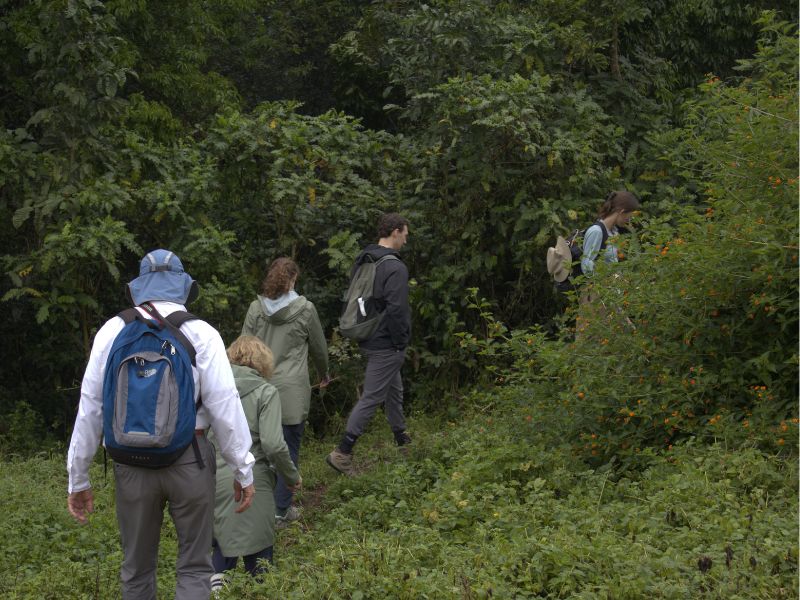
The experience is typically led by Batwa elders and youth trained as cultural guides. It takes place near Bwindi’s forest edge and often includes a short forest walk.
Guided Forest Walks
Visitors follow Batwa guides into the forest, learning how their ancestors hunted, gathered food, and built shelters. Each step is filled with explanation and lived memory.
Storytelling and Oral History
Batwa elders share stories passed down through generations. These stories explain their origin, forest spirits, and how life changed after eviction.
Traditional Music, Dance, and Drama
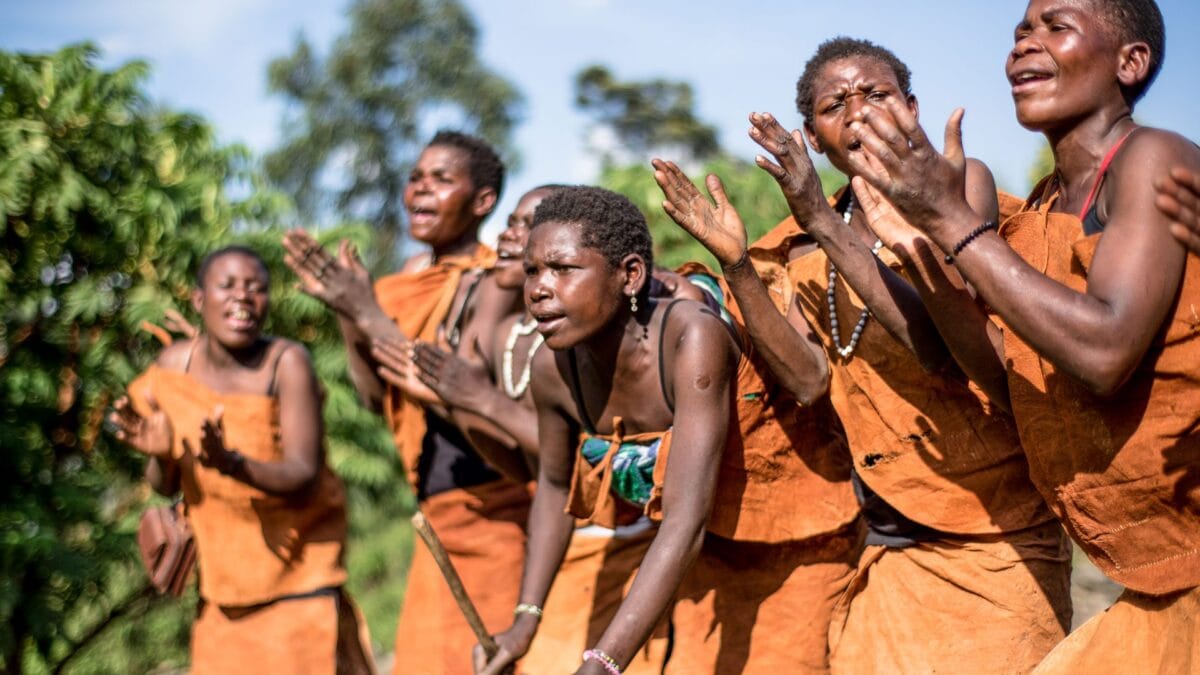
Singing and dancing play a major role. Performances are joyful yet emotional, telling stories of loss, survival, and hope through rhythm and movement.
Role of Batwa Elders and Guides
Elders are the custodians of cultural knowledge. Their participation ensures authenticity and helps transfer traditions to younger generations.
Cultural Activities You Will Experience
Hunting and Gathering Demonstrations
Although hunting is no longer practiced, guides demonstrate traditional methods using bows, arrows, and traps—purely for education.
Herbal Medicine and Forest Knowledge
You’ll learn about medicinal plants once used to treat illnesses such as fever, wounds, and stomach problems.
Fire-Making and Survival Skills
One of the most fascinating moments is watching Batwa guides create fire using sticks—no matches, no tools.
Why the Batwa Cultural Experience Matters
Cultural Preservation
The experience helps keep Batwa traditions alive in a modern world where indigenous cultures face extinction.
Community Empowerment and Livelihoods
Income from the Batwa Cultural Experience in Bwindi Impenetrable National Park supports education, healthcare, and housing projects.
Responsible and Ethical Tourism
This is tourism with purpose. Visitors contribute directly to community welfare while gaining meaningful insight.
Visiting the Batwa Community Respectfully
Cultural Etiquette and Behavior
Respect is key. Listen carefully, avoid interrupting elders, and follow guide instructions.
Photography Guidelines
Always ask permission before taking photos. Some moments are meant to be experienced, not captured.
Best Time to Enjoy the Batwa Cultural Experience in Bwindi Impenetrable National Park
The experience is available year-round. However, dry seasons (June–August and December–February) are ideal due to easier forest access and comfortable walking conditions.
How to Book the Batwa Cultural Experience
Through Community Organizations
Local Batwa associations manage many experiences, ensuring proceeds benefit the community directly.
Through Tour Operators
Most safari operators in Bwindi can include the experience in your itinerary. Kuzora Safari Tours handles that very professionally. Check out itineraries that have the Batwa cultural experience included.
Batwa Cultural Experience vs Gorilla Trekking
While gorilla trekking focuses on wildlife, the Batwa Cultural Experience in Bwindi Impenetrable National Park focuses on people. Many travelers choose to do both, creating a balanced journey of nature and culture.
Frequently Asked Questions (FAQs)
Q1: How long does the Batwa Cultural Experience last?
It typically lasts 2–3 hours.
Q2: Is the experience suitable for children?
Yes, it is educational and family-friendly.
Q3: Are Batwa guides fluent in English?
Most guides speak basic to good English, often assisted by translators.
Q4: Does the fee go directly to the Batwa community?
Yes, proceeds support Batwa-led projects and livelihoods.
Q5: Can I combine it with gorilla trekking?
Absolutely. Many visitors do both in one visit.
Q6: Is the experience physically demanding?
No, it involves light walking and is suitable for most fitness levels.
A Cultural Encounter That Changes Perspectives
The Batwa Cultural Experience in Bwindi Impenetrable National Park is more than a tour—it is a lesson in humanity, resilience, and respect for indigenous knowledge. It reminds us that conservation is not only about protecting wildlife but also about honoring the people who once lived in harmony with nature. For travelers seeking depth, meaning, and connection, this experience leaves a lasting impression long after the journey ends.