Introduction to The Batwa People of Uganda
The Batwa People of Uganda are among the country’s oldest indigenous communities, with a history that stretches back thousands of years. Often referred to as forest people, the Batwa lived as hunter-gatherers in Uganda’s dense rainforests long before modern borders, governments, or conservation laws existed. Their story is one of deep connection to nature, rich cultural traditions, and remarkable resilience in the face of displacement and marginalization.
Today, learning about the Batwa is essential for anyone seeking to understand Uganda beyond wildlife safaris. Their history offers valuable lessons about conservation, cultural survival, and human rights.
Origins and Ancestral Roots of the Batwa
Early Settlement in Uganda’s Forests
The Batwa are believed to be among the earliest inhabitants of Central and East Africa. In Uganda, they lived primarily in the forests of Bwindi Impenetrable, Mgahinga, Echuya, and Semuliki. These forests provided everything they needed—food, shelter, medicine, and spiritual fulfillment.
Unlike agricultural communities, the Batwa did not clear land or domesticate animals. Their lifestyle depended on intimate knowledge of the forest ecosystem, passed down through generations.
Relationship with Nature and Wildlife
For the Batwa, the forest was not just a resource—it was a relative. Animals were hunted respectfully, plants were harvested sustainably, and sacred sites were protected. This harmonious relationship allowed the Batwa to live for centuries without destroying their environment.
Traditional Lifestyle of the Batwa
Hunting and Gathering Practices
Traditionally, the Batwa survived by hunting small animals using bows, arrows, and traps. They gathered wild fruits, honey, roots, and mushrooms. Hunting was done in small groups and followed strict cultural rules to avoid waste.
Food, Shelter, and Daily Life
Batwa shelters were simple dome-shaped huts made from leaves and branches. Clothing was often crafted from animal skins and plant fibers. Daily life revolved around food collection, storytelling, child-rearing, and community rituals.
Batwa Spiritual Beliefs and Customs
Ancestral Worship and Rituals
Spiritual life played a central role among The Batwa People of Uganda. They believed ancestral spirits lived within the forest and influenced health, weather, and success in hunting. Rituals were performed to seek blessings, healing, or forgiveness.
Music, Dance, and Oral Traditions
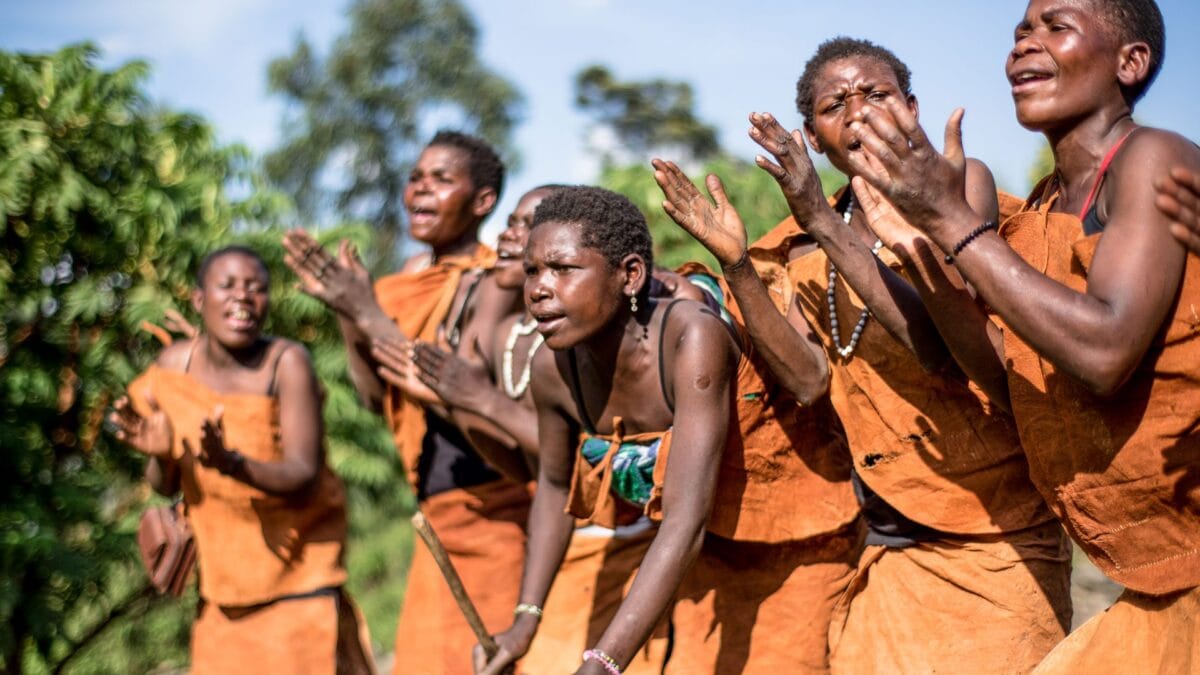
Songs and dances were used to celebrate births, initiations, marriages, and harvests. Oral storytelling preserved history, moral values, and environmental knowledge, ensuring culture survived without written records.
The Batwa and Uganda’s Forests
Life in Bwindi and Mgahinga Forests
Bwindi and Mgahinga forests were once Batwa ancestral lands. These forests were rich in biodiversity and spiritual significance. Sacred caves, trees, and hills formed the backbone of Batwa cultural identity.
Forest Knowledge and Survival Skills
Batwa elders possessed advanced knowledge of medicinal plants, animal behavior, and weather patterns. Their skills made them some of the most effective forest survival experts in the region.
Displacement and Marginalization
Creation of National Parks
In the early 1990s, Uganda gazetted Bwindi and Mgahinga as national parks to protect endangered mountain gorillas. As a result, the Batwa were evicted from their ancestral forests without compensation.
Social and Economic Challenges
Displacement forced the Batwa into poverty. Without land, formal education, or farming skills, many struggled to survive. Discrimination further limited access to healthcare, education, and employment.
The Batwa People of Uganda Today
Education and Modern Livelihoods
Today, Batwa communities are slowly adapting. Some children attend school, while adults engage in farming, craft-making, and cultural tourism. However, challenges remain, especially in accessing land and resources.
Cultural Preservation Efforts
Community leaders and NGOs are working to preserve Batwa culture through storytelling, music, dance, and education programs. Cultural pride is being rebuilt after generations of marginalization.
Role of Cultural Tourism
Batwa Cultural Experiences
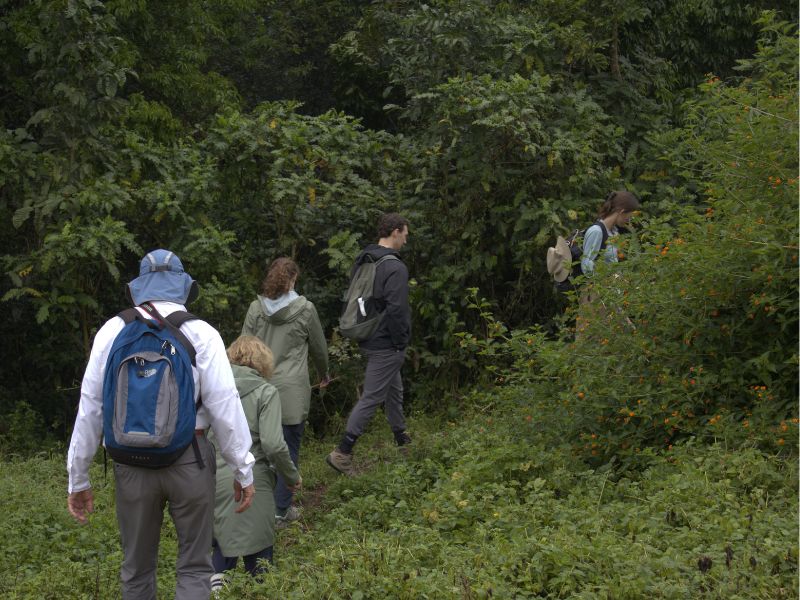
Cultural tourism has become a vital income source. Visitors can participate in guided Batwa cultural experiences near Bwindi and Mgahinga, where Batwa guides share traditions, forest skills, and personal stories.
Ethical and Responsible Tourism
Responsible tourism ensures that benefits go directly to Batwa communities. Ethical visits promote dignity, respect, and long-term sustainability.
Learn more about conservation and community initiatives through the Uganda Wildlife Authority
Human Rights and Advocacy
Advocacy groups continue to push for Batwa land rights, access to education, and healthcare. Recognizing The Batwa People of Uganda as indigenous peoples with unique rights is a crucial step toward justice and inclusion.
Frequently Asked Questions (FAQs)
Q1: Are the Batwa still living in forests today?
No, most Batwa were evicted from forests and now live in settlements near protected areas.
Q2: How many Batwa people live in Uganda?
Estimates suggest several thousand Batwa live in southwestern Uganda.
Q3: Do the Batwa still practice hunting?
No, hunting is no longer allowed, but traditional methods are demonstrated for education.
Q4: Can tourists visit Batwa communities?
Yes, through organized cultural experiences that follow ethical guidelines.
Q5: What challenges do the Batwa face today?
Landlessness, poverty, discrimination, and limited access to education.
Q6: How can visitors support the Batwa?
By participating in community-led tourism and supporting Batwa advocacy programs.
Conclusion: Honoring the Batwa Legacy
The story of The Batwa People of Uganda is one of endurance, wisdom, and cultural richness. Despite centuries of marginalization, the Batwa continue to protect their identity and share their knowledge with the world. Honoring their legacy means supporting ethical tourism, human rights, and cultural preservation—ensuring their voices are heard for generations to come.