
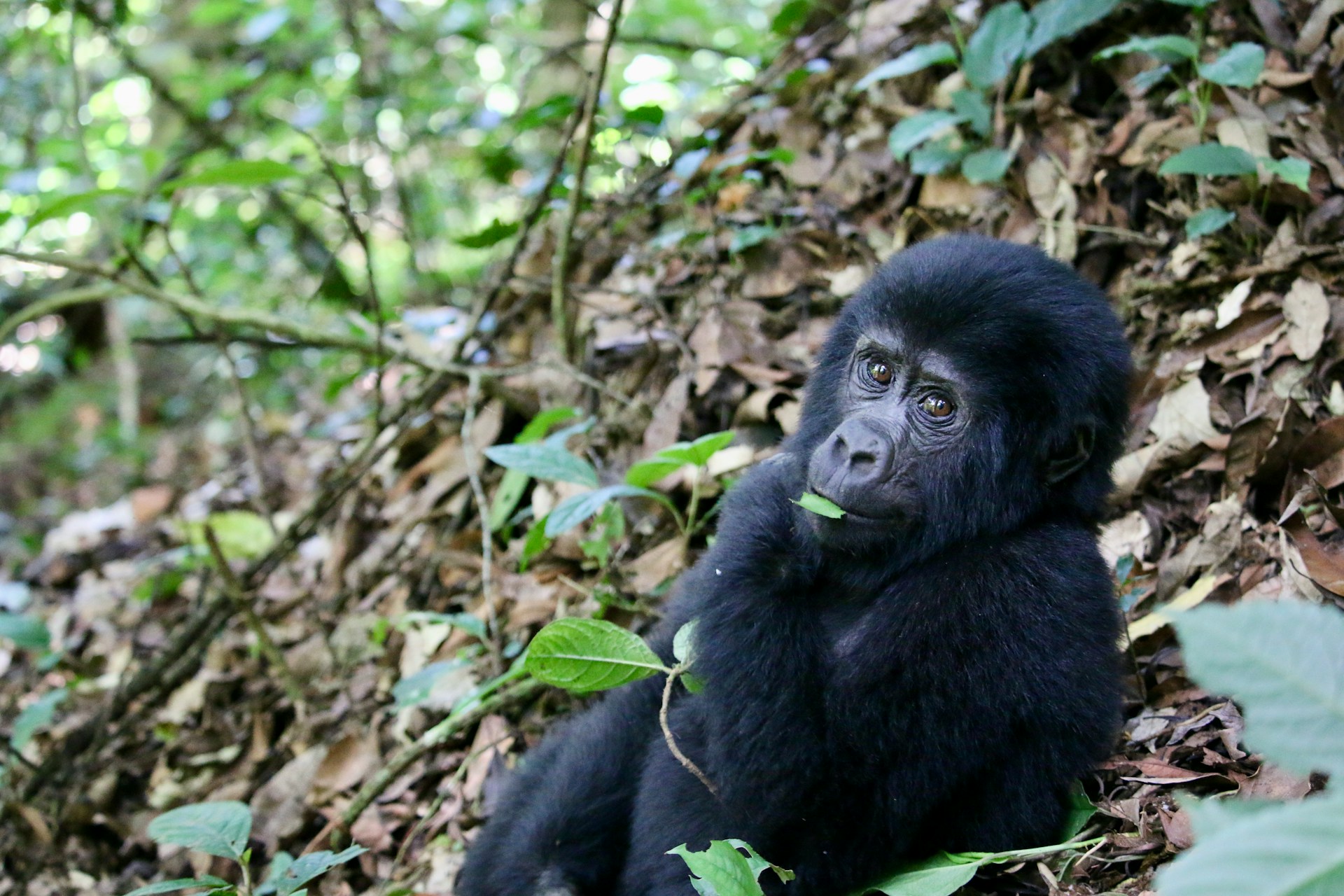
Bwindi Gorilla Trekking Safaris
Is Bwindi Good for Gorilla Trekking?
Yes. Bwindi is one of the best places in the world for gorilla trekking. It offers several trekking sectors, strong lodge variety, high conservation value, and flexible safari routes from Entebbe, Kampala, Queen Elizabeth National Park, Lake Bunyonyi, or Kigali.
Choose Bwindi if you want:
A true rainforest gorilla trekking experience
More trekking sector options than Rwanda
Better permit value than Rwanda
Gorilla habituation experience options
Strong combinations with Uganda wildlife safaris
A choice of budget, midrange, and luxury lodges
A safari that feels wild, deep, and authentic
For most travelers, Bwindi is the strongest choice for a Uganda gorilla safari because it gives both the gorilla encounter and the wider safari journey.
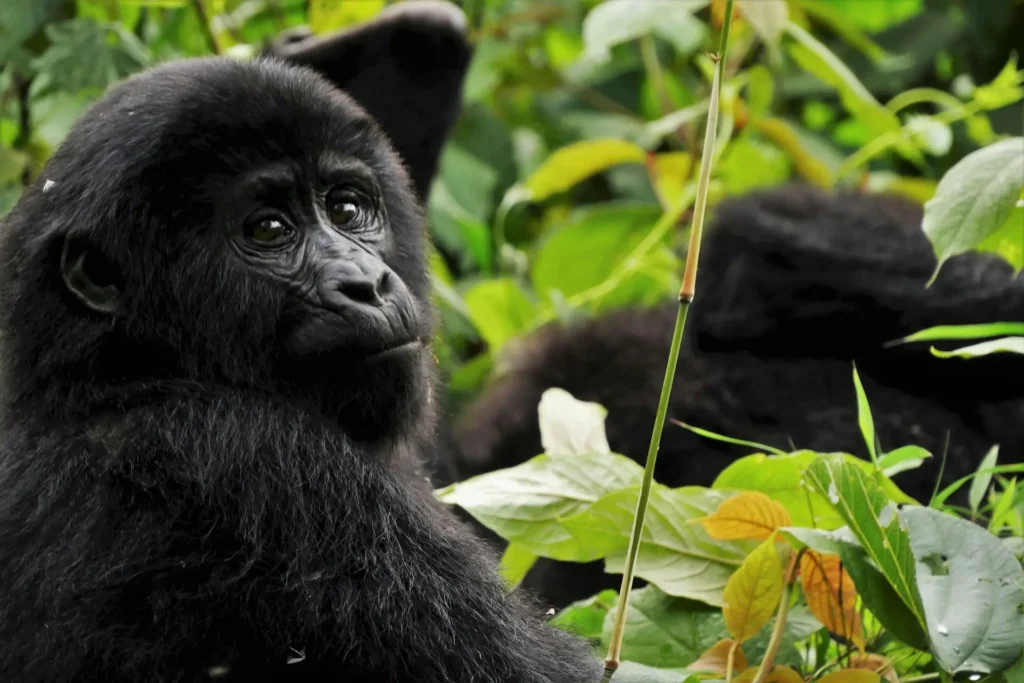
A Bwindi gorilla trekking safari is one of the most powerful wildlife experiences in Africa. This is where you walk into an ancient rainforest, follow expert trackers through thick vegetation, and finally stand quietly near a mountain gorilla family led by a silverback. It is emotional, physical, humbling, and often the main reason travelers choose Uganda.
Bwindi Impenetrable National Park is in southwestern Uganda, on the edge of the Albertine Rift. It is a UNESCO World Heritage Site and one of East Africa’s most important forests, covering about 32,092 hectares with exceptional biodiversity. UNESCO describes Bwindi as one of East Africa’s largest areas where Afromontane lowland forest extends into the montane forest belt.
For gorilla trekking, Bwindi is especially important because Uganda Wildlife Authority describes it as one of the best places in the world for mountain gorilla trekking and confirms that Uganda has more than half of the world’s mountain gorilla population in Bwindi Impenetrable National Park and Mgahinga Gorilla National Park.
But planning a Bwindi safari is not as simple as choosing “Bwindi” and booking a permit. Bwindi has different trekking sectors, different access routes, different lodge areas, different levels of trekking difficulty, and different safari combinations. Choosing the wrong sector can make your trip longer, more tiring, or more expensive than necessary. Choosing the right one can make your safari smooth, meaningful, and worth every dollar.
This guide explains how to plan a Bwindi gorilla trekking safari properly, including sectors, permits, best time to visit, transport routes, lodge matching, gorilla habituation, and the best safari options for different travelers.
Why Choose Bwindi for Gorilla Trekking?
Bwindi is not just a place where gorillas live. It is a serious conservation landscape, a living rainforest, a UNESCO World Heritage Site, and one of Uganda’s most valuable safari destinations.
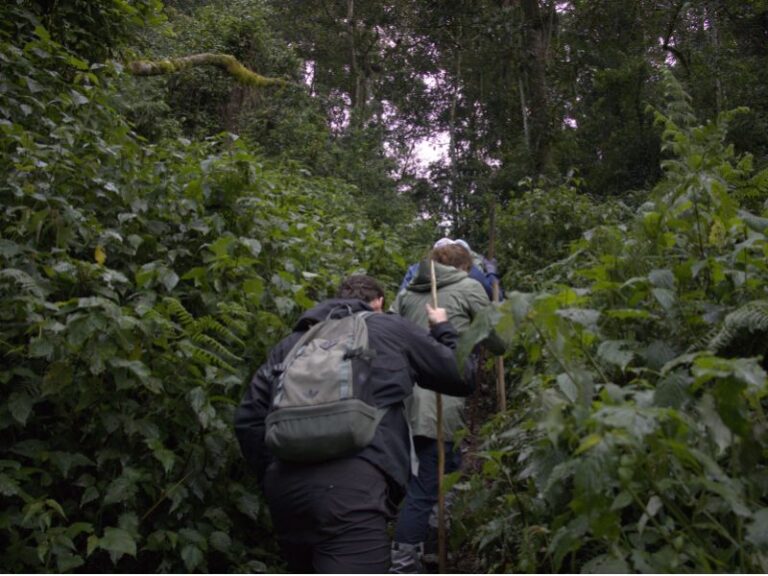
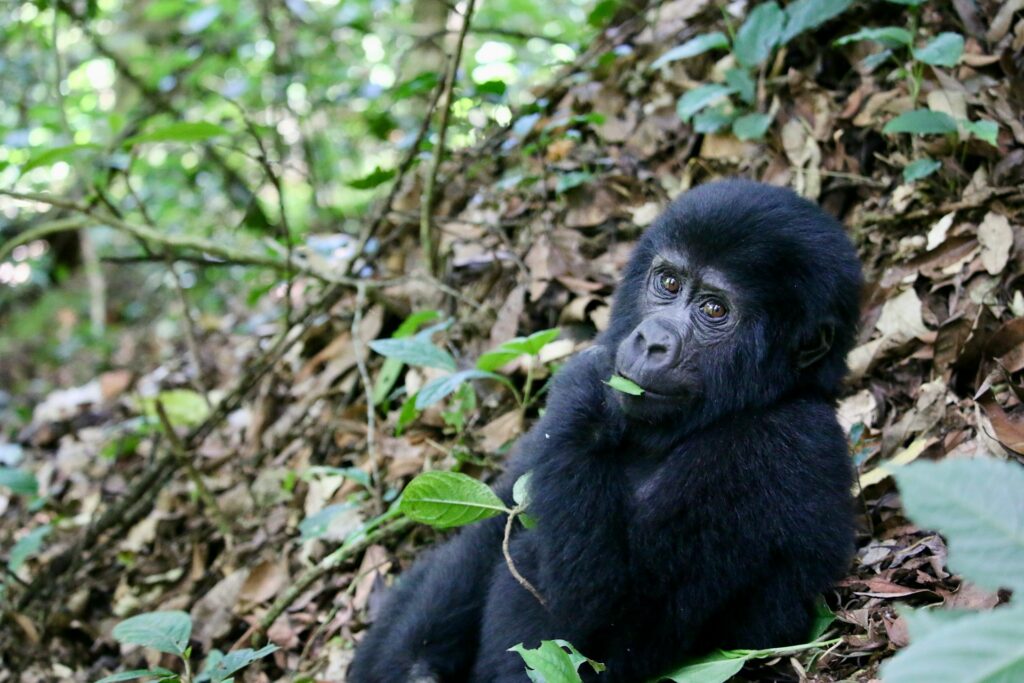
The forest is thick, steep in some areas, cool, misty, and full of life. You may hear birds before you see them. You may pass ferns, vines, bamboo patches, mossy trees, and muddy slopes. Then, after tracking with rangers, you reach the gorilla family. Suddenly the long walk makes sense.
A Bwindi gorilla trekking safari is special because it gives you:
- A wild forest experience, not a staged wildlife viewing moment
- A chance to see mountain gorillas in their natural habitat
- Several trekking sectors to match different routes and lodge styles
- The option of gorilla habituation in Uganda
- Excellent combinations with other Uganda safari destinations
- Strong value compared with Rwanda’s higher permit cost
- A deeper journey through southwestern Uganda
Uganda Wildlife Authority also highlights Bwindi’s biodiversity, including over 120 mammals and 350 bird species, along with cultural experiences with Batwa and Bakiga communities. That means Bwindi can be more than a one-hour gorilla encounter. With the right planning, it becomes part of a richer Uganda safari.
Bwindi Gorilla Trekking Sectors
Bwindi has four main gorilla trekking sectors:
- Buhoma
- Ruhija
- Rushaga
- Nkuringo
This is one of the most important things to understand before booking. Your permit is tied to a specific sector, and your lodge should match that sector. If you book a lodge far from your trekking sector, you may face a painful early morning transfer on mountain roads.
The best sector depends on your route, budget, fitness level, lodge preference, permit availability, and whether you are combining Bwindi with other places like Queen Elizabeth National Park, Lake Bunyonyi, Mgahinga, or Kigali.
Buhoma Sector
Buhoma is the classic Bwindi sector and one of the most established gorilla trekking areas. It is located in the northern part of Bwindi and is often preferred by travelers combining Bwindi with Queen Elizabeth National Park, especially the Ishasha sector.
Buhoma is good for:
- First-time Uganda safari travelers
- Travelers combining Bwindi with Queen Elizabeth National Park
- Guests who want established lodge options
- Travelers who prefer a classic Bwindi experience
- Itineraries coming from or going toward Ishasha
Buhoma has a strong safari feel because it connects well with northern safari routes. If your itinerary includes Queen Elizabeth National Park before or after gorillas, Buhoma can make logistical sense. It is also a good option for travelers who want a mature tourism setup with a range of accommodation levels.
The weakness of Buhoma is that permits can be competitive, and lodge availability can tighten during busy months. It may not be the best choice if you are starting from Kigali and want the shortest route into southern Bwindi.
Ruhija Sector
Ruhija is in the eastern part of Bwindi. It is cooler, quieter, and often works well for travelers connecting from Kabale, Lake Bunyonyi, or some Queen Elizabeth routes.
Ruhija is good for:
- Travelers who want a quieter Bwindi atmosphere
- Birding-focused travelers
- Visitors combining Bwindi with Lake Bunyonyi
- Guests who prefer less crowded lodge areas
- Some midrange and nature-focused safari styles
Ruhija can be a good middle ground between the northern and southern parts of Bwindi. It is also known for beautiful scenery and strong birding potential. The terrain can still be challenging, as with any Bwindi sector, but the experience often feels less busy than the most popular areas.
The main caution is access. You must plan your route properly because road conditions and travel time can vary by season.
Rushaga Sector
Rushaga is in southern Bwindi and is one of the most flexible sectors for gorilla trekking. It often has more permit availability because it has several gorilla families, though availability still depends on travel dates.
Rushaga is good for:
- Travelers starting from Kigali
- Visitors interested in gorilla habituation
- Guests who want more permit flexibility
- Travelers combining Bwindi with Lake Bunyonyi
- Midrange and luxury gorilla safari options
- Repeat trekkers or serious primate lovers
Rushaga is especially important because Uganda’s gorilla habituation experience is associated with the southern Bwindi area. If your dream is to spend more time in the field with gorillas beyond the standard one-hour trekking experience, Rushaga should be considered early.
For many international travelers, Rushaga also works well with the Kigali-to-Bwindi route. Flying into Kigali and crossing into Uganda can reduce road time compared with starting from Entebbe, depending on the final itinerary.
Nkuringo Sector
Nkuringo is also in southern Bwindi and is known for dramatic scenery, strong views, and a more adventurous feel. It can be physically demanding, but it rewards travelers who enjoy landscapes and a sense of remoteness.
Nkuringo is good for:
- Adventurous travelers
- Scenery lovers
- Honeymooners who want beautiful lodge settings
- Travelers starting from Kigali
- Guests who want a quieter, more dramatic Bwindi experience
- Fit travelers who do not mind steeper terrain
Nkuringo can be one of the most memorable Bwindi areas, but it is not the right choice for everyone. The terrain may be more challenging, and travelers with knee issues or limited mobility should discuss this before booking.
The professional approach is not to say Nkuringo is “best” or “hardest” for everyone. The real answer depends on the gorilla family location on the day, your assigned group, weather, and personal fitness. Still, Nkuringo generally suits travelers who are comfortable with a more active trekking experience.
Which Bwindi Sector Is Best?
There is no single best Bwindi sector for every traveler. The best sector is the one that matches your itinerary.
Use this simple guide:
| Traveler type | Best sector to consider | Why |
|---|---|---|
| Combining with Queen Elizabeth National Park | Buhoma | Better northern connection |
| Starting from Kigali | Rushaga or Nkuringo | Southern Bwindi is easier from Kigali |
| Interested in gorilla habituation | Rushaga area | Best-known access for habituation |
| Wants classic Bwindi experience | Buhoma | Established and historic sector |
| Wants quieter forest feel | Ruhija | Less busy atmosphere |
| Wants dramatic scenery | Nkuringo | Strong views and adventurous feel |
| Wants more permit flexibility | Rushaga | Often has several gorilla family options |
| Concerned about fitness | Depends on permit allocation | Discuss before booking; no sector guarantees an easy trek |
A good safari planner should never choose your Bwindi sector randomly. Sector selection affects road time, lodge choice, permit availability, trekking experience, and the overall safari flow.
Bwindi Gorilla Permit Cost
The current Uganda Wildlife Authority Conservation Tariff for 2026 – 2027 lists Uganda gorilla tracking permits at USD 800 for foreign non-residents, USD 700 for foreign residents, USD 500 for Rest of Africa visitors, and UGX 300,000 for East African citizens. The same tariff states that these rates include the guide fee, park entrance fees for the day, and community development contribution.
For a standard Bwindi gorilla trekking safari, the permit allows you to trek with rangers and spend up to one hour with the gorillas after finding them. The trek itself may take a few hours or longer depending on where the gorilla family is located that day.
Permit cost is only one part of the total safari price. Your final Bwindi safari cost also depends on:
- Number of travel days
- Transport type
- Starting point: Entebbe, Kampala, Kigali, or another park
- Lodge category
- Gorilla sector
- Whether you fly or drive
- Whether you add chimpanzees, wildlife, or lake stays
- Private guide and vehicle costs
- Season and availability
For most travelers, the permit is the first cost to secure because permits are limited and can sell out in popular months.
How to Book Bwindi Gorilla Permits
Bwindi gorilla permits are issued through Uganda Wildlife Authority and are often booked through a licensed tour operator. For international travelers, booking through a trusted local safari company is usually easier because the permit must match the correct sector, date, and route.
Before booking a permit, confirm:
- Your travel dates
- Number of trekkers
- Ages of trekkers
- Preferred sector
- Lodge location
- Arrival airport
- Whether you are driving or flying
- Whether you want one trek or two
- Whether you want standard trekking or habituation
Do not book a lodge first and permit later unless you are sure the lodge matches the sector where permits are available. This is one of the most common mistakes travelers make with Bwindi.
Bwindi Gorilla Trekking Rules
Gorilla trekking rules exist to protect both travelers and gorillas. Uganda’s official tariff document lists important rules including a minimum tracking age of 15 years, a maximum of eight visitors per gorilla group, and the instruction not to visit gorillas if you are sick.
Important rules include:
- You must be at least 15 years old
- Do not trek if you are sick
- Keep the required distance from gorillas
- Follow ranger instructions at all times
- Do not use flash photography
- Keep your voice low
- Do not eat or drink near gorillas
- Do not touch gorillas
- Do not run if a gorilla moves near you
- Viewing time is limited to help protect the gorillas
The rules are not there to make the experience difficult. They are there because mountain gorillas are vulnerable to human disease and stress. A responsible gorilla safari is one where the guest enjoys the encounter without harming the animals.
What Happens on the Day of Gorilla Trekking?
Your gorilla trekking day usually starts early. You wake up, have breakfast, carry your packed lunch and water, then go to the park briefing point. At the briefing, rangers explain the rules and assign visitors to gorilla families.
After that, you begin trekking with guides, rangers, and often porters. Trackers usually go ahead to locate the gorilla families based on where they nested the previous night and how they have moved in the morning.
The trek can be short, moderate, or long. No one can honestly promise an easy trek because gorillas move freely. You may walk through forest paths, muddy slopes, thick vegetation, and steep sections. When the gorilla family is found, you spend up to one hour with them during standard trekking.
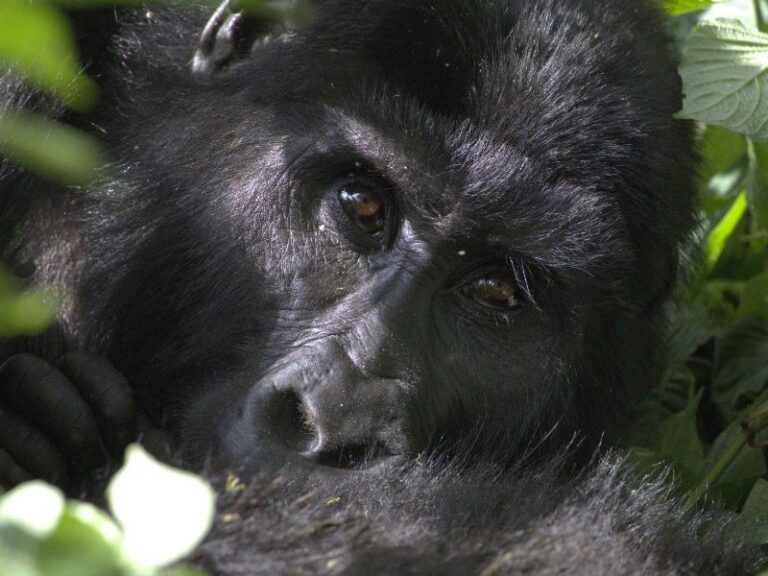
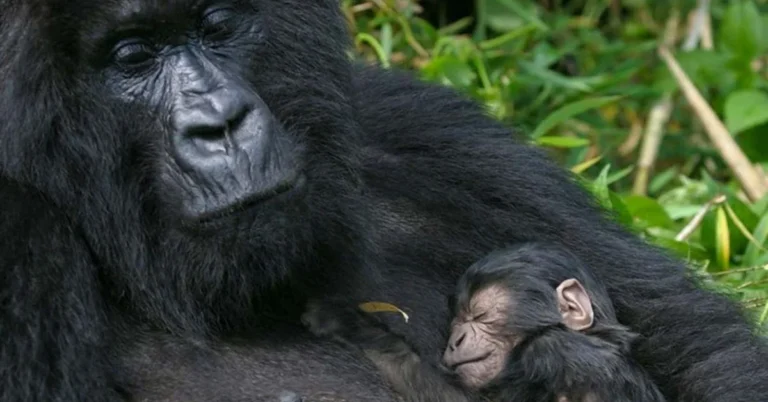
That one hour can feel very short, but it is unforgettable. You may see a silverback resting, females feeding, juveniles playing, or infants staying close to their mothers. The best advice is to take photos, but also put the camera down for a moment and really experience where you are.
How Difficult Is Bwindi Gorilla Trekking?
Bwindi gorilla trekking can be moderate to challenging, but it depends on the day. The gorillas may be near the briefing point or deep in the forest. The terrain may be muddy or dry. Your assigned family may be on easier or steeper ground.
The main things that affect difficulty are:
- Gorilla family location
- Rain and mud
- Your trekking sector
- Your fitness level
- Altitude
- Trail condition
- Pace of the group
- Whether you hire a porter
You do not need to be an athlete, but you should be prepared for walking in a mountain rainforest. If you have knee problems, back issues, breathing concerns, or limited mobility, tell your safari planner before the permit is booked. This helps with sector advice and lodge matching.
Hiring a porter is highly recommended. A porter carries your bag, helps on slippery sections, and supports local community income. Even fit travelers benefit from having one.
Best Time for a Bwindi Gorilla Trekking Safari
You can do a Bwindi gorilla trekking safari all year. Gorillas do not migrate out of Bwindi, and permits are available throughout the year depending on demand.
The drier seasons are usually preferred because trails may be less muddy. These are generally:
- June to September
- December to February
The wetter months can bring more rain and slippery trails, but they can also mean greener scenery, fewer crowds, and sometimes better lodge value. Bwindi is a rainforest, so rain can happen in any month, including the dry season.
The best time depends on your travel style:
For easier trekking conditions, consider drier months
For photography, mist and forest atmosphere can be beautiful year-round
For permit availability, book early for peak months
For better value, consider shoulder or wetter months
For combining with wildlife safaris, match Bwindi with the best route for the rest of Uganda
The smartest advice is to plan based on permits first, then build the route around your chosen date and sector.
How to Get to Bwindi
There are three main ways to get to Bwindi:
- By road from Entebbe or Kampala
- By road from Kigali
- By domestic flight plus road transfer
The best route depends on your start point, sector, budget, and number of safari days.
Entebbe or Kampala to Bwindi by Road
Driving from Entebbe or Kampala to Bwindi usually takes most of the day. The exact time depends on traffic, road conditions, weather, stops, and the sector you are visiting.
This route is best if you want a full Uganda safari and have enough days. You can break the journey with:
- Lake Mburo National Park
- Queen Elizabeth National Park
- Lake Bunyonyi
- Kibale Forest
- Mbarara or other overnight stops
A road safari can be tiring if rushed, but it becomes enjoyable when planned well. Instead of treating the journey as a transfer only, use it as part of the safari.
Kigali to Bwindi by Road
Flying into Kigali, Rwanda, and driving to southern Bwindi can be a smart option, especially for Rushaga or Nkuringo sectors. It may reduce road time compared with starting from Entebbe.
This route is good for:
- Shorter gorilla safari itineraries
- Travelers targeting southern Bwindi
- Visitors combining Uganda and Rwanda
- Guests who want to avoid the long Entebbe-to-Bwindi road transfer
However, it requires border crossing planning, correct travel documents, and careful timing. Your operator should confirm the best border route based on your final sector and lodge.
Fly-In Bwindi Gorilla Safari
A fly-in Bwindi safari is best for travelers who want comfort, speed, and less time on the road. Domestic flights can connect from Entebbe to airstrips such as Kihihi or Kisoro, depending on your Bwindi sector.
Fly-in safaris are good for:
- Luxury travelers
- Honeymooners
- Older travelers
- Guests with limited time
- Travelers who dislike long drives
- High-end gorilla and wildlife combinations
The flight does not remove road transfers completely. You still need to drive from the airstrip to your lodge, but it reduces the long cross-country journey.
Where to Stay in Bwindi
Where you stay in Bwindi should be decided after confirming your permit sector. This cannot be overstated.
A good Bwindi lodge is not just about luxury. It must be in the right location for your trek. A beautiful lodge in the wrong sector can create a bad safari experience because you may need to wake up too early and drive far before trekking.
Lodge categories usually include: Luxury, Mid-Range, and Budget.
Luxury lodges in Bwindi
Buhoma Lodge
Mahogany Springs
Nkuringo Bwindi Gorilla Lodge
Mid-Range (Comfort) lodges in Bwindi
Gorilla Mist Camp
Ichumbi Gorilla Lodge
Murchison River Lodge (Cottages)
Budget lodges in Bwindi
Broadbill Forest Camp
Buhoma Community Rest Camp
Lodge Matching by Bwindi Sector
For Buhoma, choose lodges that give easy access to the Buhoma briefing point and work well with Queen Elizabeth or Ishasha routes.
For Ruhija, choose lodges that reduce morning transfer time and fit well with Lake Bunyonyi or eastern Bwindi routing.
For Rushaga, choose lodges close to the Rushaga briefing area, especially if you are doing habituation or starting from Kigali.
For Nkuringo, choose lodges that match the terrain and your comfort level. This area can reward you with beautiful views, but you should plan carefully if you prefer easier access.
A good safari consultant should ask about your comfort level, budget, route, and trekking expectations before recommending a lodge. The best lodge is not always the most expensive one. It is the lodge that fits the permit, route, and traveler.
Gorilla Habituation Experience in Bwindi
The gorilla habituation experience is one of Uganda’s strongest advantages over many other gorilla destinations.
Standard gorilla trekking gives you one hour with the gorillas after finding them. Gorilla habituation gives a deeper field experience with researchers, trackers, and rangers as gorillas continue becoming used to controlled human presence.
Uganda Wildlife Authority’s July 2024 to June 2026 tariff lists the Gorilla Habituation Experience at USD 1,500 for foreign non-residents, USD 1,000 for foreign residents, USD 1,000 for Rest of Africa visitors, and UGX 750,000 for East African citizens.
Gorilla habituation is best for:
- Serious primate lovers
- Wildlife photographers
- Travelers who want more than a standard trek
- Repeat gorilla trekkers
- Guests with a flexible budget
- Visitors who want a deeper conservation experience
It is not for everyone. It can be more demanding, more expensive, and availability is limited. But for the right traveler, it can be the highlight of an entire Uganda safari.
Standard Gorilla Trekking vs Gorilla Habituation
| Experience | Standard gorilla trekking | Gorilla habituation |
|---|---|---|
| Best for | Most travelers | Serious primate lovers and photographers |
| Time with gorillas | Usually up to 1 hour after finding them | Longer field experience |
| Cost | Lower | Higher |
| Availability | More common | Limited |
| Physical demand | Varies | Can be more demanding |
| Best location | Bwindi sectors and Mgahinga | Mainly associated with southern Bwindi |
| Traveler style | First-time gorilla trekkers | Deeper, more immersive travelers |
For most first-time visitors, standard trekking is enough. For travelers who know gorillas are the main reason for the trip, habituation is worth considering.
Suggested Bwindi Gorilla Safari Itineraries
3 day Bwindi Gorilla Trekking safari is Best for:
- Short trips
- Budget-conscious travelers
- Travelers focused only on gorillas
- Visitors adding gorillas to a wider East Africa trip
The weakness is pacing. From Entebbe, a 3-day safari can involve long drives. From Kigali to southern Bwindi, it may feel more comfortable.
A 4-day itinerary gives better pacing than 3 days. It can include more comfortable transfers, a relaxed night after trekking, or a Lake Bunyonyi extension.
A 4-Day itinerary is Best for:
- Travelers who want less rushing
- Couples
- Older travelers
- Guests who want scenic relaxation after trekking
This is often a better experience than trying to squeeze everything into 3 days.
A 7-day safari gives room for gorillas, chimpanzees, wildlife, lakes, and better pacing. This can include Bwindi, Queen Elizabeth, Kibale Forest, Lake Bunyonyi, or other combinations depending on budget and travel style.
A 7-Day Gorilla Safari is Best for:
- Travelers who want a complete Uganda safari
- Primate lovers
- Honeymooners
- Wildlife photographers
- Guests flying long-haul and wanting a richer trip
For serious safari value, 5 to 7 days is usually stronger than a rushed 3-day itinerary.
What to Pack for Bwindi Gorilla Trekking
Pack for rainforest, mud, and changing weather. You do not need complicated gear, but you need the right basics.
Recommended items:
- Waterproof hiking boots
- Long trousers
- Long-sleeved shirt
- Light rain jacket or poncho
- Gardening gloves or trekking gloves
- Daypack
- Refillable water bottle
- Packed lunch
- Insect repellent
- Camera without flash
- Extra socks
- Small first aid items
- Walking stick if needed
- Warm layer for cool mornings
Avoid bright clothing where possible. Neutral colors are better for forest trekking. Also avoid heavy perfume or anything that makes you uncomfortable during a long walk.
What to Expect From the Gorilla Encounter
When you finally reach the gorillas, the mood changes. Everyone becomes quieter. The guide positions the group carefully. You may see the silverback first, or you may first notice a female feeding, a juvenile climbing, or an infant playing close to its mother.
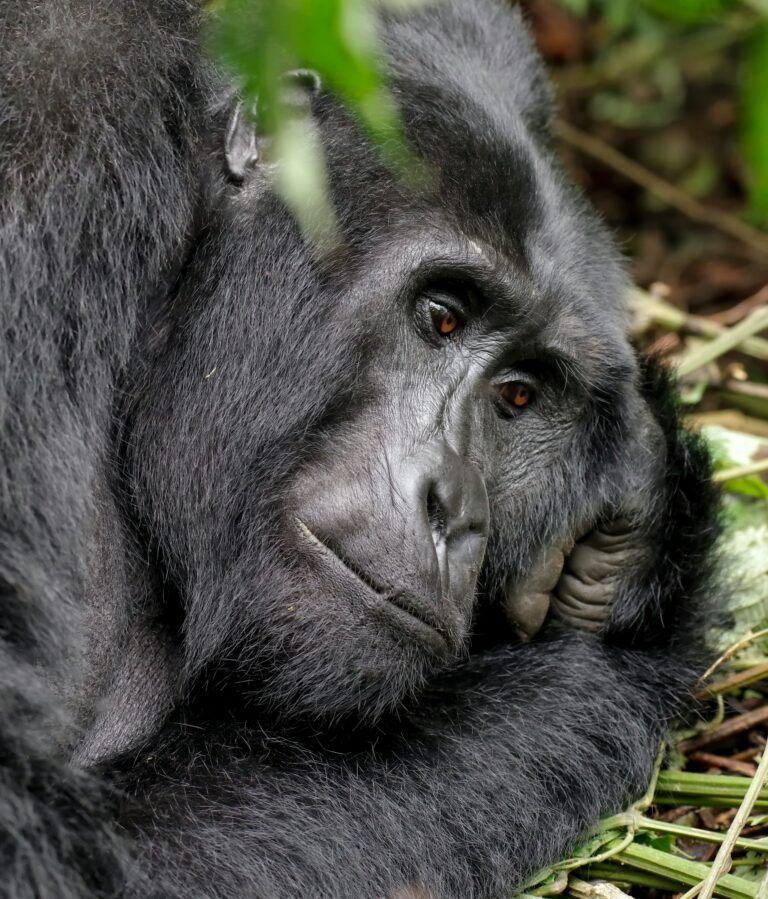
The one-hour viewing time passes quickly. Take photos, but do not spend the whole hour behind a camera. Watch how the family behaves. Listen to the sounds. Notice how calm the silverback can be. This is not a zoo. It is their home.
A good Bwindi gorilla trekking safari should leave you with more than photos. It should leave you with respect for the forest, the rangers, the local communities, and the conservation work that makes the experience possible.
Is Bwindi Gorilla Trekking Safe?
Yes, Bwindi gorilla trekking is generally safe when done through official park systems with trained rangers and guides. The gorillas visited by tourists are habituated to controlled human presence, but they are still wild animals.
Safety depends on following rules:
- Listen to your ranger
- Stay calm
- Keep distance
- Do not run
- Do not touch gorillas
- Do not trek when sick
- Avoid sudden movements
- Keep your group together
The rangers understand gorilla behavior. If a silverback moves, displays, or comes closer, your guide will tell you what to do. Most encounters are peaceful because the process is carefully managed.
Is Bwindi Worth It?
Yes. Bwindi is worth it if seeing mountain gorillas in the wild is important to you.
It is not the easiest safari experience in Africa. The roads can be long. The forest can be muddy. The trek can be tiring. The permit is expensive compared with normal park activities. But the reward is rare.
You are seeing an endangered great ape in one of its last natural habitats. You are entering a forest that has survived for thousands of years. You are supporting a conservation model that helps protect gorillas and creates local value through tourism.
For many travelers, a Bwindi gorilla trekking safari becomes the most memorable part of their entire East Africa trip.
How Kuzora Safari Tours Can Help You Plan Bwindi Properly
Bwindi is not a destination to plan casually. The permit sector, lodge, route, and safari length must work together.
Kuzora Safari Tours can help you with:
- Choosing the right Bwindi sector
- Checking gorilla permit availability
- Matching your lodge to your permit sector
- Planning road or fly-in transfers
- Comparing Entebbe vs Kigali access
- Adding Queen Elizabeth, Kibale, Lake Bunyonyi, or Mgahinga
- Choosing between standard trekking and habituation
- Building a 3-day, 4-day, 5-day, or luxury Bwindi safari
- Planning around budget, fitness, comfort, and travel dates
The goal is not only to get you to Bwindi. The goal is to make sure your gorilla safari feels smooth, well-paced, and worth the investment.
Plan Your Bwindi Gorilla Trekking Safari With Kuzora
A Bwindi gorilla safari should not be guessed. Your permit sector, lodge, route, and travel dates need to match properly. Kuzora Safari Tours can help you choose the right Bwindi sector, secure permits, match lodges, and design a Uganda gorilla safari that fits your budget and travel style.
Tell us your travel dates, number of travelers, preferred comfort level, and whether you want a short gorilla safari or a longer Uganda safari. We will help you plan the best route.
Common Questions About Bwindi Gorilla Trekking Safari
What is a Bwindi gorilla trekking safari?
Which Bwindi sector is best for gorilla trekking?
Is Buhoma better than Rushaga?
Is Nkuringo difficult for gorilla trekking?
How long does gorilla trekking in Bwindi take?
Is Bwindi gorilla trekking hard?
What is the minimum age for gorilla trekking in Uganda?
What is the best time for Bwindi gorilla trekking?
Can I visit Bwindi from Kigali?
Can I fly to Bwindi?
How many days do I need for a Bwindi gorilla trekking safari?
Should I do one or two gorilla treks?
Is Bwindi better than Rwanda for gorilla trekking?
Can Kuzora Safari Tours help book Bwindi gorilla permits?
Contents