Kasenyi Plains
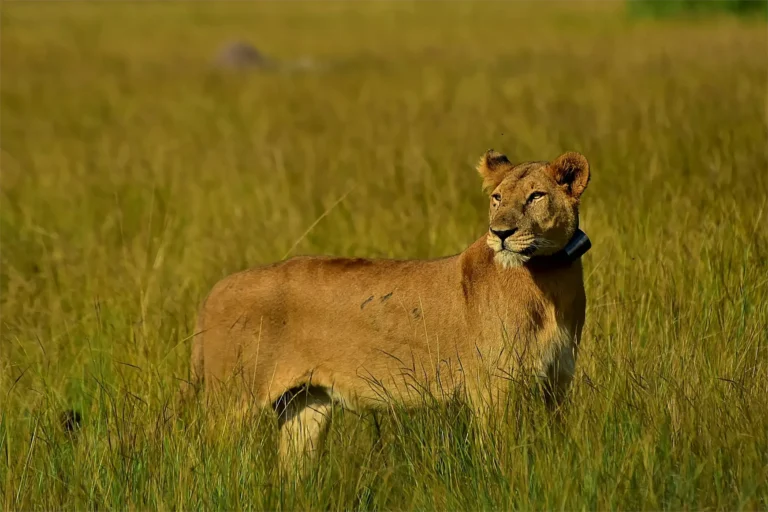
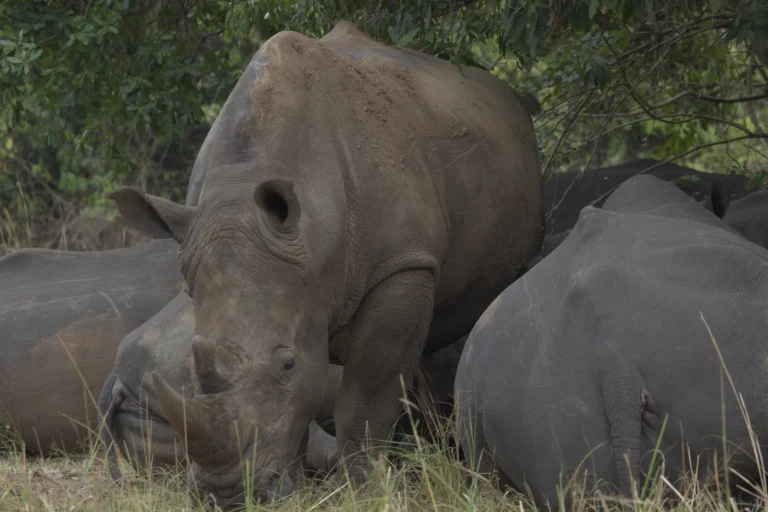
Kasenyi is the main game-drive area for many Queen Elizabeth safaris. It is strong for classic plains wildlife, predator searches, Uganda kob breeding grounds, buffalo, elephants, and sunrise safari rhythm.
Plan a premium Queen Elizabeth safari Uganda around classic game drives, the Kazinga Channel boat safari, Ishasha tree climbing lions, crater scenery, and smooth links with Bwindi and Kibale.
Queen Elizabeth National Park Uganda is one of the most complete Uganda wildlife safari destinations: open plains, crater landscapes, wetlands, forested gorges, the Kazinga Channel, and the southern Ishasha Sector all within one workable safari area.
This is where a wildlife safari Queen Elizabeth National Park experience feels varied without becoming complicated. Morning game drives Queen Elizabeth can focus on Kasenyi’s lion and antelope country, afternoons can move to a Kazinga Channel boat safari with hippos, elephants, buffalo, crocodiles, and waterbirds, while longer routes can continue south to Ishasha tree climbing lions or west toward Bwindi and Kibale.
Among Uganda safari parks, Queen Elizabeth is especially useful because it is both rewarding in its own right and easy to connect into a wider private Uganda safari.
Queen Elizabeth National Park works because it delivers variety without losing route logic: wildlife, water, plains, forest edges, crater scenery, and reliable safari pacing in one destination.
The park is accessible within Uganda’s south-west safari circuit and fits naturally between Kibale National Park and Bwindi Impenetrable National Park. That makes it one of the easiest Uganda safari parks to include without forcing the itinerary.
The wildlife density is strongest around the open plains and channel edges, but the real value is diversity. A Queen Elizabeth safari Uganda can include predators, elephants, buffalo, hippos, Uganda kob, waterbirds, crater views, chimpanzee trekking nearby, and the famous Ishasha tree climbing lions.
For travelers who want a classic wildlife stop between primates and gorillas, Queen Elizabeth National Park is often the park that makes the route feel complete.
A good Queen Elizabeth safari is built around rhythm: early game drives, a relaxed boat safari, and enough time for the park’s different areas to show their character.
Game drives Queen Elizabeth usually begin early, especially around the Kasenyi Plains where lions, Uganda kob, buffalo, elephants, warthogs, and other plains wildlife are often the focus. The sightings are not only about checklists; they are about the feel of a traditional Uganda wildlife safari destination with open country, escarpment views, and changing light.
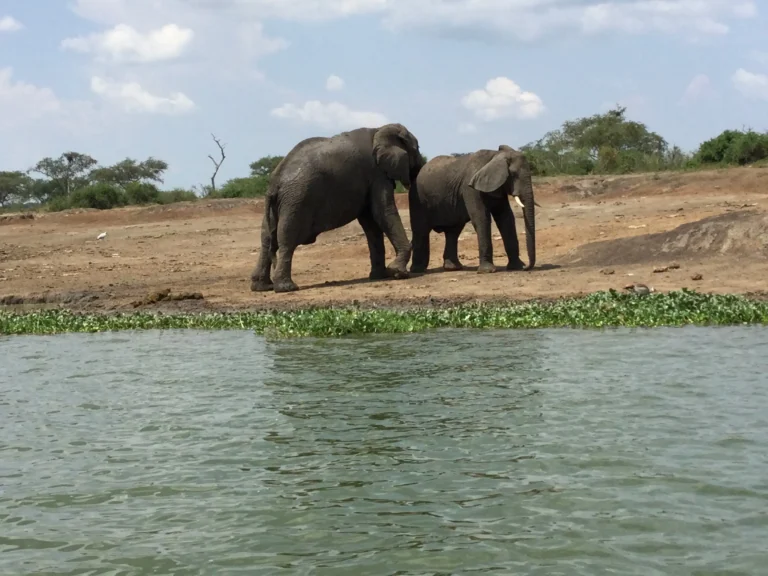
The Kazinga Channel boat safari is the core highlight for many travelers. It brings wildlife close without the pressure of a vehicle track: hippos packed along the water, elephants drinking, buffalo on the banks, crocodiles, fish eagles, kingfishers, pelicans, and large mixed birdlife.
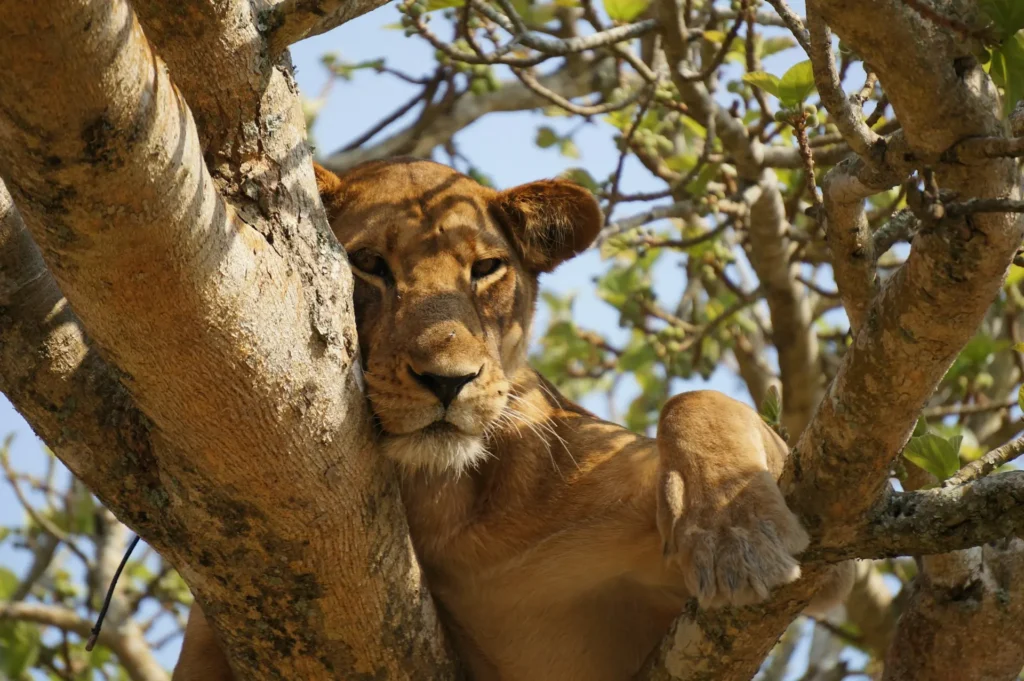
The Ishasha Sector adds a different mood. It is quieter, more remote, and known for Ishasha tree climbing lions resting in fig trees when conditions are right. The best itineraries treat Ishasha as a serious safari area rather than a quick detour.

Queen Elizabeth is not one simple safari zone. The right area changes the experience, the lodge choice, and how well the route connects to Kibale or Bwindi.
Kasenyi is the main game-drive area for many Queen Elizabeth safaris. It is strong for classic plains wildlife, predator searches, Uganda kob breeding grounds, buffalo, elephants, and sunrise safari rhythm.
The Kazinga Channel is the park’s signature water experience. It is the best place for the Kazinga Channel boat safari, with hippos, elephants, buffalo, crocodiles, and exceptional birdlife concentrated along the shore.
Ishasha is the southern decision point for travelers continuing toward Bwindi. It is quieter, scenic, and famous for Ishasha tree climbing lions, though sightings depend on movement, weather, and patience.
Mweya works as a practical hub for the channel, central park access, crater scenery, and many lodge-based Queen Elizabeth itineraries. It is useful when comfort, logistics, and boat access matter.
Queen Elizabeth rewards travelers who combine vehicle-based safari, water safari, scenery, and nearby primate experiences rather than treating the park as only a game-drive stop.
Early and late drives around Kasenyi and selected tracks give the best chance for lions, elephants, buffalo, antelope, warthogs, and changing plains scenery.
The boat safari is the park’s strongest signature experience, bringing hippos, elephants, buffalo, crocodiles, and birds into close, relaxed viewing distance.
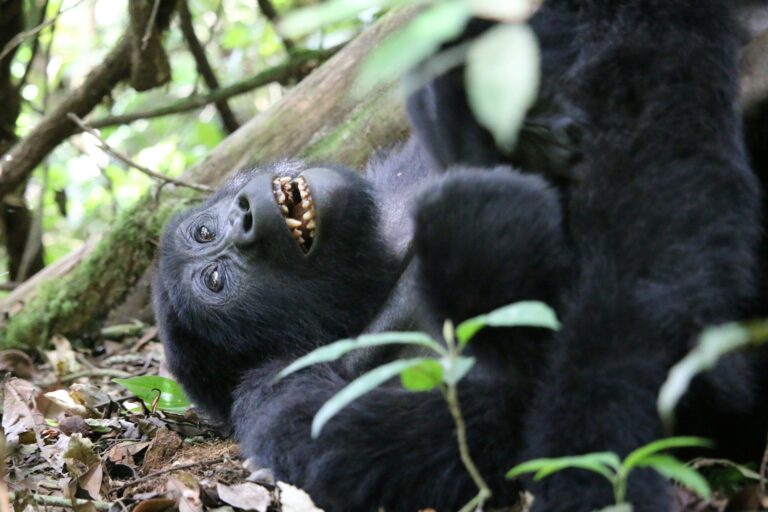
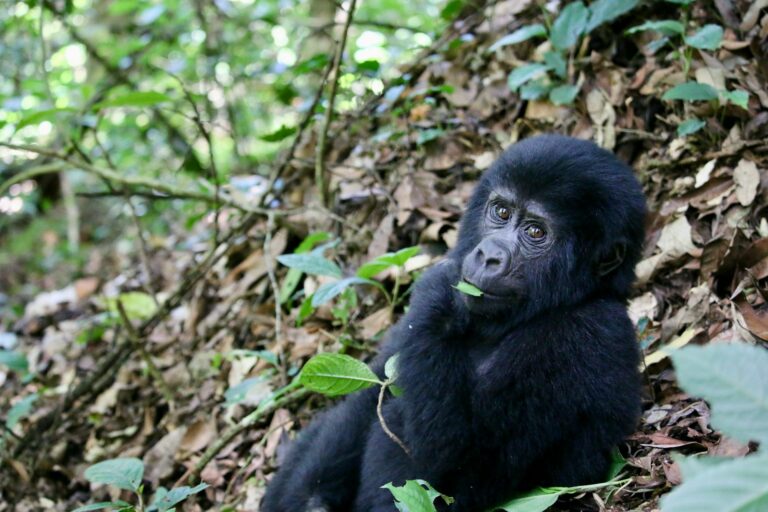
Kyambura Gorge can add a primate element to a Queen Elizabeth safari, especially when Kibale is not included or when the itinerary has enough time.
Wetlands, channel edges, crater country, savannah, and forest margins make Queen Elizabeth one of Uganda’s most rewarding birding areas.
Crater drives and viewpoints add scale and beauty, especially for travelers who want the park’s landscapes to matter as much as the wildlife.
Community experiences can add context around fishing villages, conservation, local livelihoods, and the human side of the greater Queen Elizabeth landscape.
Queen Elizabeth is a year-round safari destination, but the season changes road feel, visibility, vegetation, and comfort.
The drier months, often June to September and December to February, usually make game drives easier and can improve general movement across the park. Wildlife may also be easier to see when vegetation is shorter and animals concentrate around reliable water.
The wetter months bring greener landscapes, softer light, excellent birding, and fewer crowds, but some tracks may require more patience. The best time to visit Queen Elizabeth National Park depends less on a single perfect month and more on how the park fits with Bwindi, Kibale, and the rest of your Uganda safari.
Where to stay Queen Elizabeth National Park should follow your route first. Mweya and central areas work well for Kazinga Channel access, Kasenyi game drives, and practical logistics. Ishasha works better when the tree-climbing lion sector and onward travel to Bwindi are important.
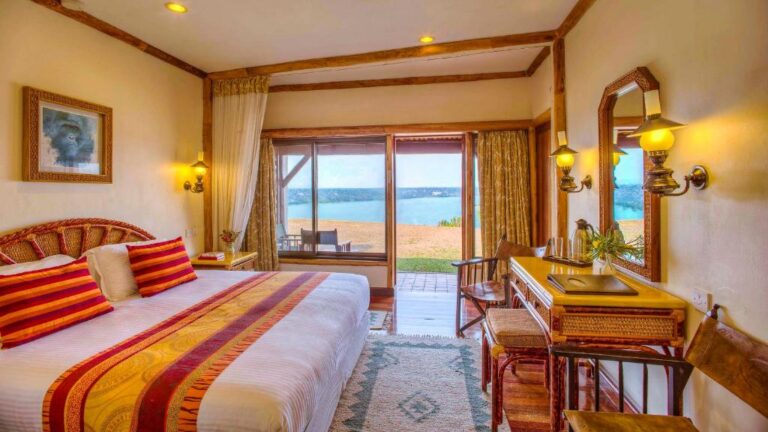
Luxury lodges give the park a slower, more private feel, often with stronger views and smoother service. Mid-range lodges are usually the most balanced choice for private Uganda safaris. Budget stays can work well when the priority is wildlife access and efficient routing rather than lodge-led luxury.
The best choice is not only about room category. It is about avoiding unnecessary transfers, protecting early game-drive timing, and keeping the safari route clean.
Premium lodges with stronger views, privacy, service, and calm access to the channel, plains, or Ishasha.
Comfortable lodges that balance location, value, and safari rhythm for private Queen Elizabeth routes.
Practical stays that keep the safari route efficient while protecting budget for activities and transfers.
The strongest Queen Elizabeth itineraries use the park as a wildlife and boat-safari anchor, then connect it carefully with primates, gorillas, or broader Uganda safari parks.
A strong primate and wildlife route combining chimpanzee trekking in Kibale with game drives and the Kazinga Channel boat safari in Queen Elizabeth.
A classic south-west Uganda safari pairing wildlife and boat safari time with gorilla trekking in Bwindi Impenetrable National Park.
One of Uganda’s strongest private safari circuits, linking chimpanzees, wildlife, Kazinga Channel, Ishasha, and mountain gorillas.
These safari packages include Queen Elizabeth National Park or its strongest route signals, with filters kept to the planning choices that matter for this park.
Queen Elizabeth National Park is usually reached by road within the south-west Uganda circuit. It can connect from Kampala or Entebbe, from Kibale after chimpanzee trekking, from Bwindi after gorilla trekking, or through regional airstrips when the safari needs to protect time.
Road distances vary by route and road conditions, but the park is commonly planned as a staged journey rather than a rushed transfer. Flying can help shorter luxury safaris, while road travel gives more landscape context and better connection between Uganda wildlife safari destinations.
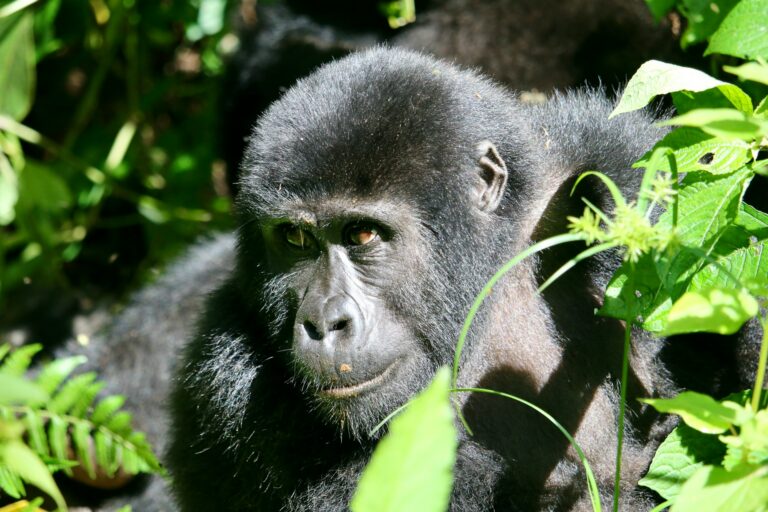
Queen Elizabeth sits naturally between Kibale and Bwindi, which is why it appears in many classic Uganda safari routes. Kibale adds chimpanzees and forest primates. Bwindi adds mountain gorilla trekking. Queen Elizabeth gives the route its wildlife, boat safari, open plains, and Ishasha decision point.
When Ishasha is included, lodge choice and timing should be deliberate so the search for tree-climbing lions does not become a rushed transfer day.
What is the best time to visit Uganda for safari? This is one important question to start with when planning a safari in Uganda.…
Queen Elizabeth National Park is known for elephants, buffalo, hippos, crocodiles, lions, Uganda kob, warthogs, waterbuck, many antelope species, and rich birdlife. Ishasha is especially known for tree-climbing lions when sightings are favorable.
Yes. The Kazinga Channel boat safari is one of the strongest reasons to visit Queen Elizabeth because wildlife gathers close to the water, making hippos, elephants, buffalo, crocodiles, and birds easier to see at a relaxed pace.
The park can be visited year-round. Drier months often make game drives easier, while wetter months bring greener scenery, good birding, and fewer crowds. The best timing should also consider Bwindi permits, Kibale plans, and lodge availability.
Two nights can work for a focused visit with game drives and a boat safari. Three nights gives a better rhythm, especially if you want Ishasha, Kyambura, crater scenery, or a calmer route between Kibale and Bwindi.
Yes. Queen Elizabeth and Bwindi combine very well, especially through Ishasha or south-west Uganda routes. This pairing is one of the most popular ways to combine wildlife viewing with gorilla trekking.
Stay near Mweya or central areas for Kazinga Channel and Kasenyi access. Stay in Ishasha if tree-climbing lions and the route toward Bwindi are priorities. The right area depends on your safari direction and comfort level.