
Crater floor game drives
Ngorongoro game drives focus on the crater floor, where open grasslands, forest pockets, marshes, and lake edges concentrate wildlife into a memorable and highly visual safari route.
Plan a dramatic Ngorongoro safari into a volcanic caldera where crater walls, Big Five wildlife, black rhinos, lions, buffaloes, and sunrise game drives create one of Tanzania's most concentrated safari experiences.
Ngorongoro Crater Tanzania is one of Africa’s most dramatic safari landscapes: the world’s largest intact volcanic caldera, a natural amphitheater of crater walls, grasslands, forest, lake shore, and dense wildlife that can make a single game drive feel unusually complete.
Inside the Ngorongoro Conservation Area, the crater floor supports lions, elephants, buffaloes, hyenas, flamingos, plains game, and one of Tanzania’s strongest chances for black rhino sightings. It is an iconic Tanzania safari destination because the scenery and wildlife density work together so powerfully.
Ngorongoro is especially strong for travelers who want a high-impact Big Five safari Tanzania experience, a luxury Ngorongoro safari with crater-rim atmosphere, and a route that pairs naturally with Serengeti, Tarangire, and wider Tanzania Safaris.
Ngorongoro Crater is not a typical savannah park. The safari unfolds inside a vast volcanic caldera, with steep crater walls, open grasslands, forests, wetlands, and lake edges creating a destination that feels enclosed, dramatic, and deeply scenic.
A Ngorongoro safari is one of Tanzania’s strongest Big Five safari experiences, especially for travelers hoping to see black rhino alongside lions, buffaloes, elephants, hyenas, zebras, wildebeest, gazelles, and rich birdlife.
The crater’s compact scale and productive habitats create unusually dense wildlife viewing. Game drives can feel immersive because animals, landscapes, and viewpoints are all close enough to shape a powerful single-day safari.
The Ngorongoro Conservation Area carries deep natural, cultural, and conservation importance, adding context beyond wildlife sightings and making the destination one of East Africa’s most meaningful safari landscapes.
Luxury Ngorongoro safari planning often uses crater-rim lodges, beautiful highland settings, excellent guiding, and smooth northern circuit routing for a polished Tanzania safari rhythm.
A Ngorongoro safari is compact, scenic, and intense: descending from cool crater rim into sunrise light, scanning for rhinos and lions, watching elephants near forest edges, and driving through a landscape where the crater walls are always part of the view.
Ngorongoro game drives focus on the crater floor, where open grasslands, forest pockets, marshes, and lake edges concentrate wildlife into a memorable and highly visual safari route.
Lions, elephants, buffaloes, black rhinos, and leopards all belong to the wider Ngorongoro story, with rhinos and lions often among the strongest highlights for travelers.
The crater walls give every drive a sense of scale and drama, turning wildlife moments into landscapes rather than isolated sightings.
Early descents are especially atmospheric, with cool air, soft light, mist on the rim, and predators or plains game becoming active across the crater floor.
Ngorongoro is powerful because wildlife viewing often feels close, layered, and continuous, especially when planned with the right timing and guiding.
Ngorongoro is best planned by understanding how its habitats shape wildlife. The crater floor, forests, lake shore, rim, and highlands each add a different reason to stay, descend, photograph, or connect onward through Tanzania safari destinations.
The Crater Floor is the heart of most Ngorongoro Crater safari tours, with grasslands, wetlands, and open wildlife viewing where lions, hyenas, buffaloes, zebras, wildebeest, and rhinos may be seen.
Lerai Forest brings a different texture to the crater, with yellow fever trees, elephants, monkeys, birds, and shaded wildlife moments away from the open plains.
Lake Magadi adds water, light, flamingos, birdlife, and sweeping crater-floor views, making it important for scenery and photography as well as wildlife.
The Crater Rim is where the scale of Ngorongoro becomes clearest, with viewpoints, cooler air, luxury lodges, and a dramatic sense of arrival before descending into the crater.
The Ngorongoro Highlands connect the crater to Karatu, cultural experiences, walking routes, and the wider northern Tanzania circuit toward Serengeti and Tarangire.
Ngorongoro is one of Tanzania’s most important safari destinations for travelers hoping to see black rhinos. Sightings are never guaranteed, but the crater is widely valued for giving careful, well-guided routes a meaningful chance.
Lions are central to the Ngorongoro safari experience, often seen on the crater floor alongside hyenas, jackals, and other predators that respond to the high density of plains game.
Large buffalo herds and impressive elephants add weight to the Big Five safari Tanzania experience, especially around forest edges, marshes, and the more productive grazing areas.
Lake Magadi and the crater’s varied habitats support flamingos, raptors, waterbirds, and highland birdlife, giving photographers and birders more than classic mammal viewing.
Ngorongoro is valuable throughout the year because much of its wildlife is resident. Seasonal changes affect grass, visibility, road conditions, light, and atmosphere, but the crater remains one of Tanzania’s most reliable wildlife destinations.
Ngorongoro is centered on crater game drives, but the strongest itineraries use viewpoints, photography, cultural context, highland scenery, and luxury lodge time to make the experience feel complete rather than rushed.
A crater game drive is the signature experience, combining Big Five possibilities, dense wildlife, scenic crater walls, and a compact route that can deliver exceptional viewing in a short time.
Ngorongoro is excellent for photography because wildlife, mist, crater walls, lake light, forests, and sunrise descents all create strong visual layers.
Carefully arranged Maasai cultural experiences can add human context to the Ngorongoro Conservation Area when planned respectfully and without reducing wildlife time.
Crater-rim viewpoints help travelers understand the scale of the caldera before or after the descent, and they are especially powerful in clear light.
Nature walks in suitable highland areas can add a slower perspective on scenery, plants, birds, and local landscapes beyond vehicle-based game drives.
Luxury lodges around the crater and highlands turn Ngorongoro into a refined stop, with cool evenings, views, polished service, and easy connection to Serengeti or Tarangire.
Ngorongoro is a year-round safari destination because the crater supports strong resident wildlife and Big Five safari Tanzania opportunities across the seasons.
The dry season, especially from around June to October, often brings easier wildlife visibility, clearer roads, and classic safari conditions. It is also a popular period, so luxury Ngorongoro safari lodges and northern circuit routes should be planned early.
The green season can be beautiful for photography, birdlife, softer scenery, fewer vehicles in some periods, and dramatic skies. The crater rim and highlands are cooler than many safari areas, so warm layers are useful at any time of year.
Where to stay in Ngorongoro depends on budget, crater access, comfort level, and how the route connects with Serengeti, Tarangire, Arusha, or wider Tanzania safari destinations.
Luxury lodges on or near the crater rim offer the most atmospheric positioning, strong service, dramatic views, and easier early descents. Mid-range lodges around Karatu and the highlands can offer excellent value and smooth routing. Budget options work best when timing, drive distances, and crater logistics are planned carefully.
The right stay should support your safari flow, not just your room preference. For many travelers, one or two nights near Ngorongoro is ideal before continuing into Serengeti or another northern Tanzania safari destination.
Kuzora can recommend luxury, mid-range, or practical Ngorongoro stays based on crater access, comfort level, travel dates, route direction, and Tanzania safari circuit planning.
The best Ngorongoro Crater safari tours treat the crater as a high-impact anchor, then connect it intelligently with Serengeti, Tarangire, Arusha, or broader Tanzania safari destinations.
A compact Ngorongoro safari focused on crater floor game drives, Big Five opportunities, crater-rim scenery, and a refined northern Tanzania safari rhythm.
A classic Tanzania route pairing Ngorongoro’s dense crater wildlife with Serengeti scale, predators, migration planning, and open plains atmosphere.
A Big Five safari Tanzania itinerary using Ngorongoro, Serengeti, and other northern circuit highlights for wildlife density, scenery, and route depth.
These safari packages include Ngorongoro Crater, Big Five safari Tanzania experiences, crater floor game drives, luxury Ngorongoro safari routes, or strong combinations with Serengeti, Tarangire, and Tanzania safari destinations.
Most Ngorongoro safaris begin from Arusha and connect by road through the northern Tanzania circuit. Ngorongoro works especially well between Tarangire or Lake Manyara and Serengeti, making it one of the strongest route anchors for Tanzania safari destinations.
Travelers can also combine Ngorongoro with fly-in Serengeti sections, depending on time, budget, and comfort level. The best route should consider crater descent timing, lodge location, transfer length, and whether the safari continues toward Serengeti, Tarangire, Zanzibar, or another East African destination.
Ngorongoro crater descents should be planned around permit timing, early starts, vehicle routing, and realistic expectations. Because the crater is popular, good guiding and timing matter for both wildlife and the feeling of space.
The crater rim and highlands can be cool, especially early and late in the day. Pack warm layers, neutral safari clothing, sun protection, binoculars, camera gear, and practical shoes. For photography, keep lenses ready before descending because the first light inside the crater can be exceptional.
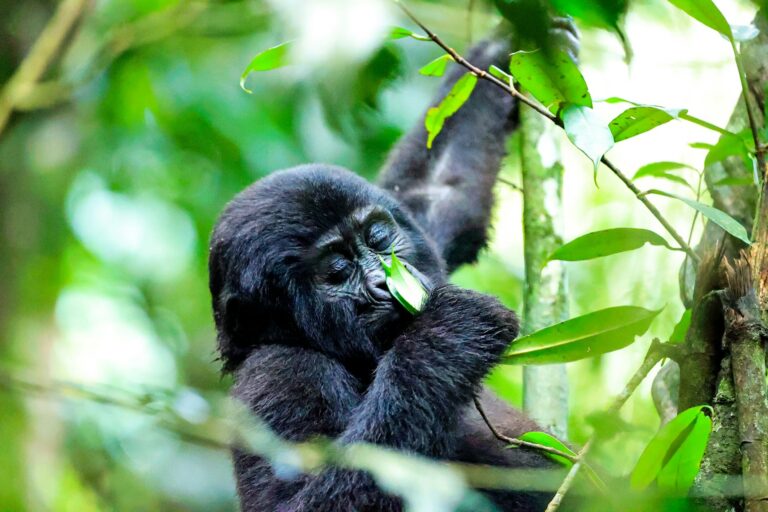
Planning a gorilla safari in Uganda is exciting, but let us be honest: the first serious question most travelers ask is not about the…
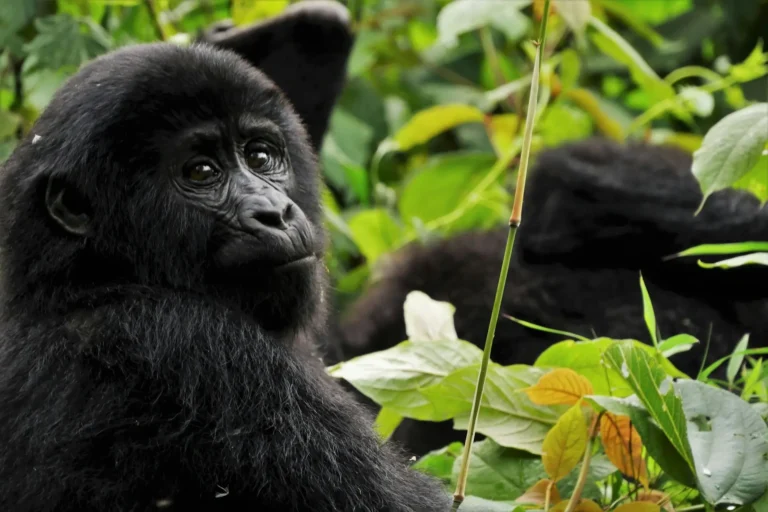
Planning a gorilla trekking safari in Uganda in 2026? The first thing you need to understand is the gorilla permit. Not the lodge. Not…
Ngorongoro is excellent year-round. The dry season usually gives easier wildlife visibility and classic game-drive conditions, while the green season offers beautiful scenery, birdlife, and softer photography light.
Ngorongoro is one of Tanzania’s strongest Big Five safari areas, especially for lions, buffaloes, elephants, and black rhinos. Leopards are present but more elusive, so sightings depend on timing and luck.
One well-planned crater descent can be powerful, but one or two nights near Ngorongoro is usually better for comfort, timing, and route flow. Longer trips often combine Ngorongoro with Serengeti and Tarangire.
They are different and work best together. Ngorongoro offers dramatic crater scenery and dense wildlife in a compact area, while Serengeti offers vast plains, migration movement, predator country, and longer safari immersion.
Game drives usually descend from the crater rim to the crater floor for a timed safari experience. Logistics depend on permits, route planning, lodge location, and park regulations, so early starts are often important.
Yes. Ngorongoro can be excellent for families because wildlife viewing is concentrated and scenic. Families should plan comfortable lodging, sensible drive times, warm layers, and a route that avoids rushing.