Chimpundu Lodge.
Kibale National Park
Plan a premium Kibale forest safari around chimpanzee trekking, primate diversity, rainforest birdlife, and smooth connections with Queen Elizabeth and Bwindi.
Kibale National Park Uganda is the country’s strongest chimpanzee trekking destination and one of East Africa’s most rewarding rainforest safari areas. It is known for habituated chimpanzees, dense tropical forest, high primate diversity, birdlife, and easy route logic with Queen Elizabeth National Park.
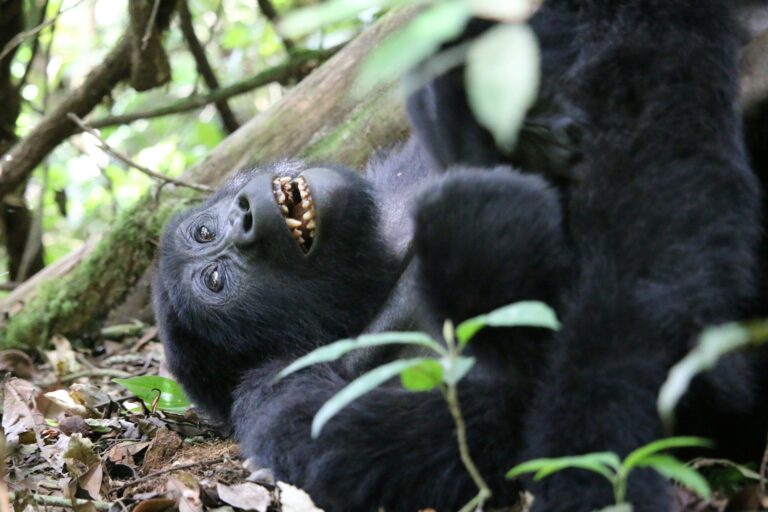
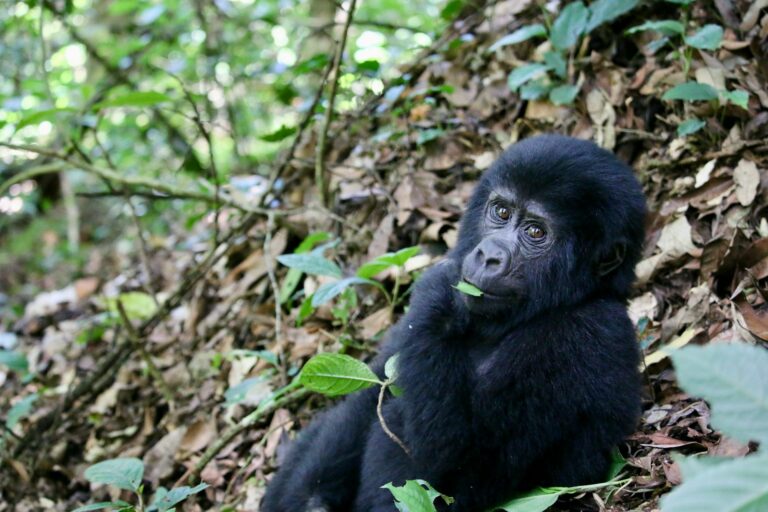
A Kibale forest safari feels different from a savannah safari. The experience is intimate, vocal, and active: forest paths, calls through the canopy, moving chimpanzee communities, red colobus, black-and-white colobus, red-tailed monkeys, butterflies, birds, and the slower ecological richness of a mature rainforest.
Kibale works especially well for travelers building a primate safari Uganda route. It adds chimpanzee trekking Uganda depth before or after wildlife in Queen Elizabeth and gorilla trekking in Bwindi.
Kibale is often described as the primate capital of the world because its forest protects one of Africa’s richest concentrations of primates. For travelers focused on chimpanzee trekking Uganda, this is the destination to understand first.
Chimpanzee trekking Kibale is the park’s core experience. The Kanyanchu area gives travelers access to habituated chimpanzee communities, experienced guides, and a forest setting that feels alive from the first calls in the canopy.
A Kibale forest safari can also include red colobus, black-and-white colobus, red-tailed monkeys, grey-cheeked mangabeys, blue monkeys, vervet monkeys, olive baboons, and rich birdlife. That diversity gives the park real depth beyond a single trek.
Kibale is accessible within the south-west Uganda safari circuit and pairs naturally with Queen Elizabeth National Park, Bwindi Impenetrable National Park, and wider Uganda Safaris. It is one of the most useful stops for travelers who want primates, wildlife, and gorillas in one route.
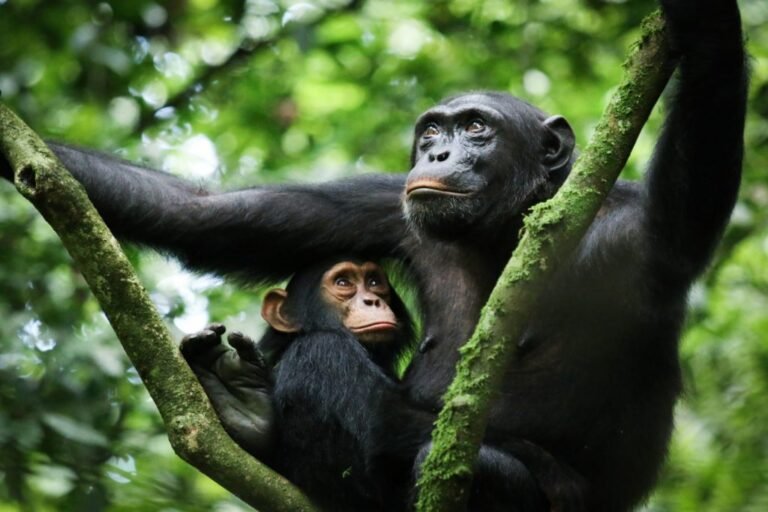
Chimpanzee trekking in Kibale National Park is one of the defining wildlife experiences in Uganda and the best way to encounter wild chimpanzees in their natural rainforest habitat. Unlike gorilla trekking, which is often slower and quieter, chimp tracking in Kibale feels energetic, vocal, and constantly moving. The forest comes alive with loud calls through the canopy, rapid movement in the trees, and the unmistakable presence of one of humanity’s closest relatives.
Kibale is widely regarded as the best destination for chimpanzee trekking in Uganda, thanks to its high chimp population, experienced ranger teams, and well-organized trekking system. For many travelers, it becomes one of the most memorable parts of a Uganda safari.
A typical chimpanzee trekking experience begins at the Kanyanchu Visitor Centre, where guests receive a briefing before entering the forest with ranger guides. Treks usually start in the morning or afternoon and follow forest trails as trackers locate chimpanzee communities that have become accustomed to human presence.
The atmosphere feels different from a traditional safari. Instead of scanning open plains, you move quietly through thick tropical forest while listening for calls, movement, and activity above the trees. Once the chimpanzees are found, the encounter can feel dynamic and unpredictable. Chimps may feed in the canopy, move rapidly between trees, rest on the forest floor, or communicate loudly with one another.
Visitors are allowed one regulated hour with the chimpanzees once contact is made, creating enough time to observe behavior, photography opportunities, and the social interaction that makes chimp trekking so engaging.
The experience follows a structured but natural flow:
Chimpanzee movement changes daily, so some treks are short while others require more walking. The terrain in Kibale is generally easier than Bwindi, making chimp trekking accessible for many travelers.
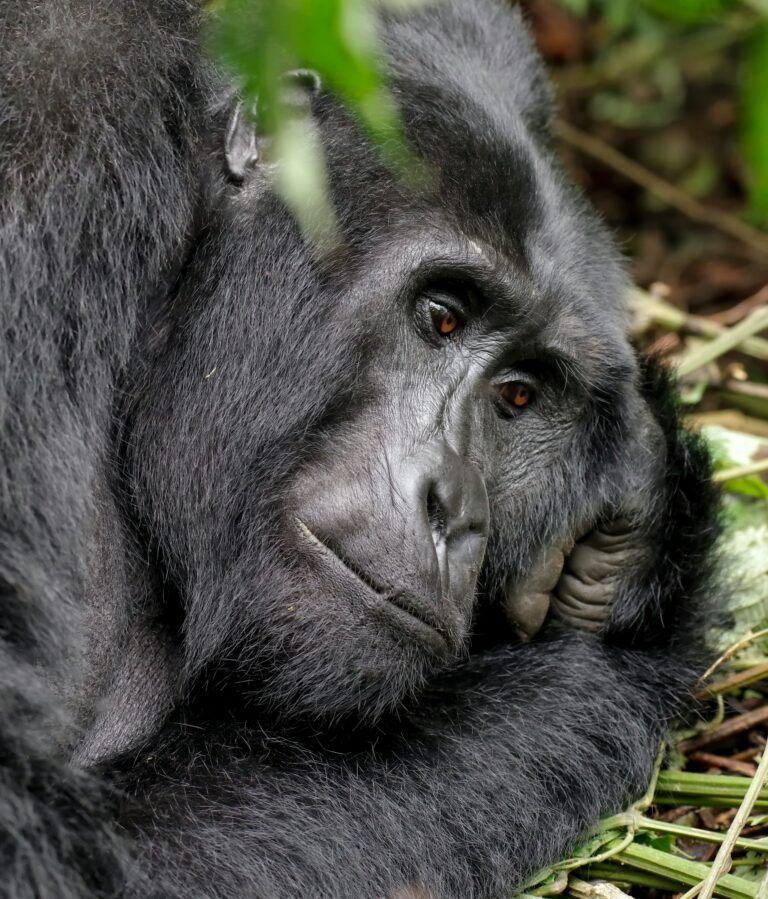
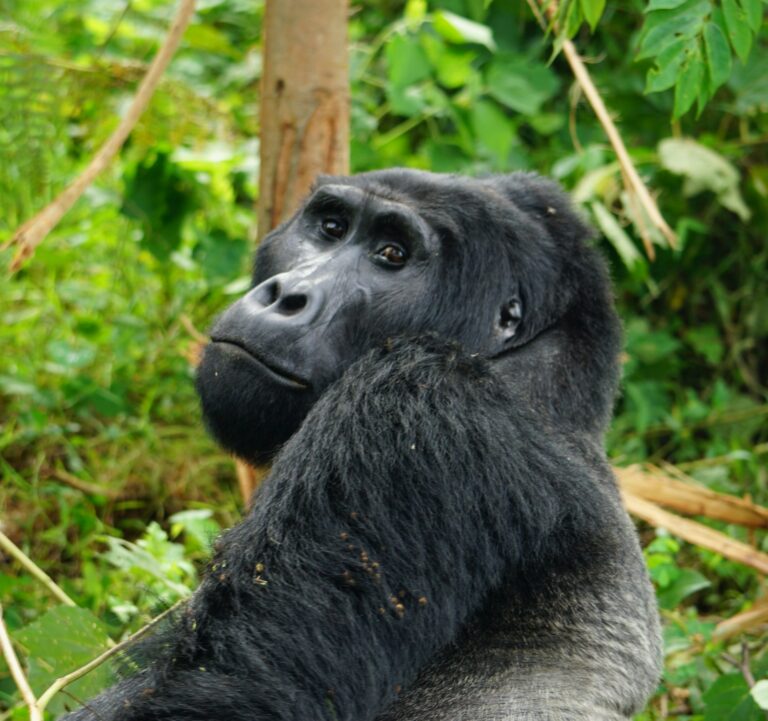
Chimpanzees are highly social, intelligent, and expressive primates, and this is what makes tracking them so compelling. During a trek, visitors may witness grooming, feeding, territorial calling, playful behavior among juveniles, or fast movement through the canopy.
Kibale’s rainforest environment also shapes the experience. The park protects one of East Africa’s richest tropical forest ecosystems and supports an exceptional diversity of wildlife beyond chimpanzees alone. The sounds of birds, insects, monkeys, and forest activity create an immersive atmosphere that feels completely different from open savannah safari landscapes.
Unlike mountain gorillas, chimpanzees are rarely still for long. Their energy and movement make every trek feel active and unpredictable.
Kibale offers two different chimp experiences.
The habituation experience is more immersive and allows visitors to spend significantly longer with chimpanzees in the forest compared to standard trekking.
Chimpanzee trekking in Kibale requires an official permit arranged through a licensed tour operator. Permits are limited per session and are best secured in advance, especially during peak safari seasons.
Current Uganda Wildlife Authority chimp trekking permit rates are:
| Permit Category | Price |
|---|---|
| Foreign Non-Resident | US$250 |
| Foreign Resident | US$200 |
| East African Citizen | UGX 180,000 |
Chimp habituation permits are priced separately and allow a longer forest experience.
Good safari planning matters because permit timing, lodge location, and transfer logistics all influence the smooth flow of a Kibale itinerary.
Chimpanzee trekking in Kibale is possible throughout the year, but the drier months generally make forest walking easier. Even during wetter periods, chimp sightings remain strong because Kibale supports a well-established chimp population and experienced tracking teams.
The forest is often lush and green year-round, which is part of what gives Kibale its distinctive atmosphere.
For a more comfortable trek, visitors should bring:
Neutral outdoor clothing is usually best for forest trekking conditions.
Kibale is especially well suited to:
Most treks last between 2 and 5 hours depending on chimpanzee movement and forest conditions.
Kibale trekking is generally moderate and easier than gorilla trekking in Bwindi.
Visitors are allowed one hour once the chimpanzees are located.
Yes. Kibale combines extremely well with Bwindi and Queen Elizabeth National Park on Uganda safari circuits.
Kibale protects one of Uganda’s most important rainforest ecosystems and is home to 13 primate species. Chimpanzees are the headline, but the wider forest is what makes the destination so rewarding.
The park supports red colobus, black-and-white colobus, red-tailed monkeys, grey-cheeked mangabeys, blue monkeys, vervet monkeys, olive baboons, forest birds, butterflies, and a rich mix of plants that give each walk texture.
For birders and nature-focused travelers, Kibale is not simply a chimp stop. It is one of Uganda’s strongest forest biodiversity destinations.
The core Kibale experience: a guided forest walk to track and observe habituated chimpanzees.
A longer, more immersive forest activity for travelers who want deeper time with chimpanzees and researchers’ style of tracking.
A community-linked wetland walk with excellent birding, primates, village context, and a softer pace outside the national park forest.
Kibale and nearby Bigodi are rewarding for forest and wetland birds, especially for travelers adding naturalist depth to the safari.
The Fort Portal and Kibale region is surrounded by scenic crater lakes that add views, lodge atmosphere, and gentle downtime between activities.
Kibale is a year-round destination, and chimpanzee trekking can be done in both dry and wet seasons. The drier months, often June to September and December to February, usually make forest trails easier and road movement more predictable.
The wetter months bring lush forest, softer light, strong birding, and fewer travelers, but trails can be muddier and the forest can feel more humid. For most private safaris, the best time to visit Kibale is the period that fits cleanly with Queen Elizabeth, Bwindi, permit availability, lodge space, and the overall Uganda safari route.
Where to stay Kibale National Park depends on how close you want to be to Kanyanchu, how much comfort you want, and whether the route continues to Queen Elizabeth or back toward Fort Portal.
Luxury lodges usually offer stronger forest atmosphere, privacy, service, and a slower rhythm before or after chimpanzee trekking. Mid-range lodges are often the best balance for private Uganda safaris. Budget stays keep the experience practical while preserving more of the budget for permits and transfers.
Kanyanchu access matters for trekking logistics, while Fort Portal can work well for travelers who want a wider base, crater lake scenery, and flexible routing.
Premium stays around Kibale, Kanyanchu, Fort Portal, or the crater lakes with stronger privacy, service, and forest atmosphere.

Comfortable Kibale lodges that balance trekking access, value, and clean routing toward Queen Elizabeth or Bwindi.
Practical stays for travelers prioritizing chimp permits, activity access, and efficient Uganda safari routing.
The best Kibale itineraries use chimpanzee trekking as the primate anchor, then connect it carefully with wildlife in Queen Elizabeth, gorillas in Bwindi, or a broader Uganda primate safari.
A focused Kibale forest safari built around chimpanzee trekking, Bigodi Wetland, and a calm Fort Portal or crater-lake base.
A classic Uganda route combining chimpanzee trekking Kibale with game drives and a Kazinga Channel boat safari in Queen Elizabeth.
A primate-focused route linking chimpanzee trekking Uganda with mountain gorilla trekking in Bwindi.
A richer primate safari Uganda itinerary combining Kibale, Bwindi, Bigodi, and carefully paced wildlife or scenic extensions.
These safari packages include Kibale, chimpanzee trekking, or strong primate-route signals, with filters kept to the planning choices that matter for Kibale.
Kibale is usually reached by road through Fort Portal or as part of a south-western Uganda safari circuit. It can connect from Entebbe or Kampala, continue south to Queen Elizabeth National Park, or form part of a longer route toward Bwindi.
Road distances vary by route and conditions, so Kibale works best when it is planned as a staged safari rather than a rushed transfer. Regional flights can protect time for some luxury itineraries, but road travel often gives better route continuity.
Kibale pairs naturally with Queen Elizabeth because chimpanzee trekking and wildlife safari experiences sit close enough to combine smoothly. Bwindi adds gorilla trekking, creating one of Uganda’s strongest primate and wildlife circuits.
The cleanest route depends on permit dates, lodge locations, flight plans, road comfort, and how much time you want between forest activities.
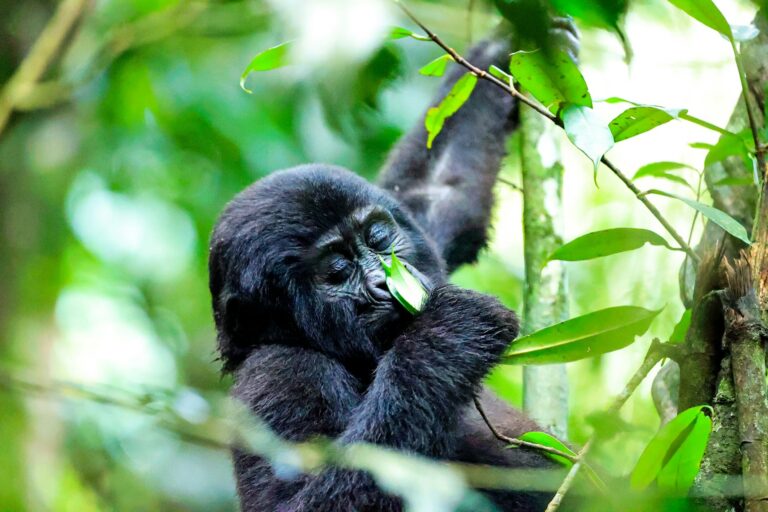
Planning a gorilla safari in Uganda is exciting, but let us be honest: the first serious question most travelers ask is not about the…
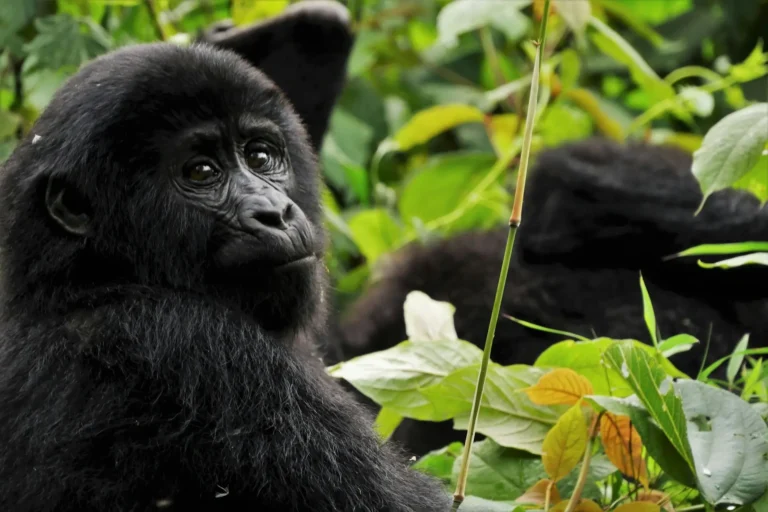
Planning a gorilla trekking safari in Uganda in 2026? The first thing you need to understand is the gorilla permit. Not the lodge. Not…
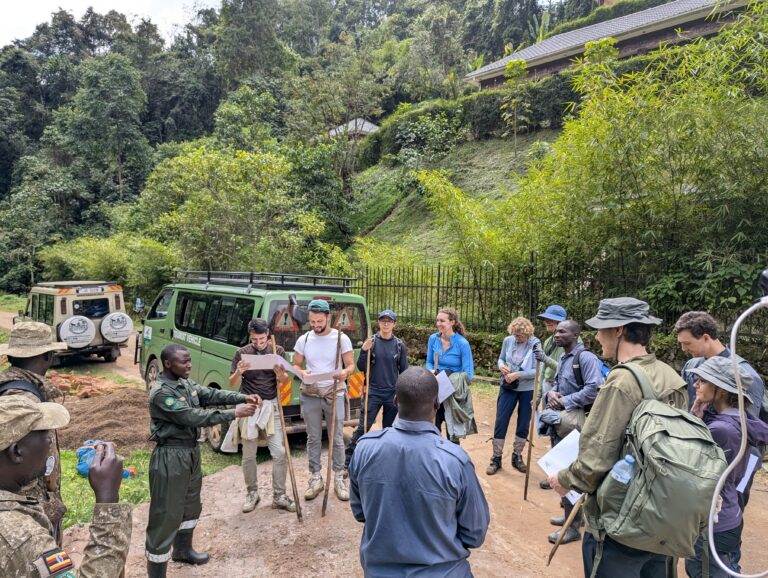
What is the best time to visit Uganda for safari? This is one important question to start with when planning a safari in Uganda.…
Kibale is widely considered Uganda’s leading chimpanzee trekking destination because of its habituated chimpanzee communities, strong guiding, rich forest setting, and wider primate diversity.
Standard chimpanzee trekking usually takes a few hours including briefing, tracking, the encounter, and return. Actual time depends on chimpanzee movement, trail conditions, and group pace.
Kibale can be visited year-round. Drier months usually make trails easier, while wetter months bring lush forest, good birding, and fewer travelers. Permit availability and route flow with Queen Elizabeth or Bwindi also matter.
Yes. Kibale chimp permits should be arranged in advance, especially during peak travel periods or when the safari also includes Bwindi gorilla permits and fixed lodge dates.
Yes. Kibale and Queen Elizabeth combine very well, giving travelers chimpanzee trekking, classic wildlife viewing, and the Kazinga Channel boat safari in one efficient route.
Yes. Kibale and Bwindi are a strong primate safari pairing, combining chimpanzee trekking with mountain gorilla trekking. Queen Elizabeth is often added between them for wildlife and route balance.