
Sunrise and sunset game drives
Serengeti game drives are strongest in soft light, when predators move, plains game spreads across the grasslands, and the scale of the landscape becomes unforgettable.
Plan a legendary Serengeti safari across endless plains, predator-rich game drives, the Great Migration Tanzania, luxury camps, and one of Africa's most cinematic wildlife landscapes.
Serengeti National Park Tanzania is the safari landscape that made the word endless feel real: vast plains, granite kopjes, big skies, lion country, cheetah country, and wildlife movement on a scale that still feels impossible when you are standing inside it.
This is the heart of a Serengeti safari and one of the strongest Tanzania safari destinations for the Great Migration Tanzania, predator sightings, Big Five safari Tanzania routes, and luxury Serengeti safari camps positioned around season, light, and movement.
The Serengeti is not only a migration destination. Central Seronera, the northern river country, the southern calving plains, the Western Corridor, and the eastern grasslands each shape a different safari rhythm. It pairs naturally with Ngorongoro Crater, Tarangire, Masai Mara, and wider Tanzania Safaris for travelers who want a truly iconic East African route.
Serengeti National Park is one of Africa’s most legendary wildlife landscapes, known for its scale, open horizons, big-cat density, and the rare feeling that the safari is unfolding across an entire ecosystem rather than one isolated park.
A Serengeti migration safari can bring wildebeest herds, zebra columns, calving-season drama, river crossings, and intense predator interactions. Lions, cheetahs, leopards, hyenas, jackals, elephants, buffaloes, giraffes, and plains game keep the park compelling even when the migration is elsewhere.
The Serengeti is rewarding across the year because resident wildlife and big cats remain strong in key regions. The best area changes with season, but the park never becomes a single-month destination.
Luxury Serengeti safari camps give travelers refined guiding, beautiful locations, bush dining, fly-in logistics, and a quieter rhythm shaped around wildlife movement and comfort.
Endless plains, kopjes, sunrise light, dust, storm skies, and predator silhouettes make Serengeti game drives feel vast, emotional, and unmistakably East African.
A Serengeti safari is vast and alive: sunrise and sunset game drives, lions on kopjes, cheetahs scanning open plains, hyenas calling at night, moving herds, luxury camps, and the sense that wildlife is part of a larger ancient rhythm.
Serengeti game drives are strongest in soft light, when predators move, plains game spreads across the grasslands, and the scale of the landscape becomes unforgettable.
Lions, cheetahs, leopards, and hyenas are central to the Serengeti experience, with predator interactions often shaped by herd movement, season, and terrain.
The open grasslands are part of the emotion of the safari: wide horizons, shifting light, dust trails, kopjes, and wildlife visible far across the plain.
When planned around the right region and season, a Serengeti migration safari can follow calving, movement corridors, river crossings, or predator pressure across the ecosystem.
Premium camps and fly-in routes can make the Serengeti feel polished and spacious, with stronger access to the right region, excellent guiding, and slower time in camp between drives.
The Serengeti is too large to treat as one place. The right region depends on migration timing, predator interest, camp style, route direction, and whether the safari pairs with Ngorongoro, Tarangire, Masai Mara, or Zanzibar.
Central Serengeti is the year-round anchor, known for strong predator viewing, classic kopjes, flexible routing, and reliable wildlife when migration herds are not concentrated elsewhere.
Northern Serengeti is key for Mara River crossing season, quieter landscapes, beautiful river country, and premium camps suited to migration-focused planning.
Southern Serengeti and Ndutu-area routes are strongest around calving season, when wildebeest herds, newborns, and predator activity create a powerful safari atmosphere.
The Western Corridor is important for seasonal movement, riverine scenery, Grumeti-area planning, and a different Serengeti feel beyond the central plains.
Eastern Serengeti can offer open grasslands, cheetah country, fewer vehicles in select areas, and excellent scenic game drives when conditions align.
The Great Migration is not one event. It is a living movement of wildebeest and zebra following rain, grass, instinct, birth, hunger, and danger across the Serengeti ecosystem. In Tanzania, that movement can feel immense: a horizon trembling with animals, dust rising behind hooves, and predators reading the weakness inside the herd.
From around January to March, the southern Serengeti and Ndutu region can become the emotional center of the migration. Wildebeest calves arrive in huge numbers, predators become intensely active, and the landscape feels raw, fragile, and full of life.
From around July to October, northern Serengeti planning can focus on Mara River crossing possibilities. Crossings cannot be scheduled, but the right camp position, time, guide, and patience can place travelers near one of East Africa’s most dramatic wildlife moments.
Lions, cheetahs, leopards, hyenas, jackals, and crocodiles all shape the migration story. The drama is not only in a chase or crossing, but in the pressure of waiting: herds gathering, predators watching, dust building, and the plain holding its breath.
The best time depends on the experience you want. January to March favors calving in the south. May to June can follow western movement. July to October favors northern Serengeti and river-crossing planning. Because exact movement changes with rainfall, the best Serengeti migration safari is built around region, camp choice, enough nights, and realistic expectations.
The Serengeti is centered on wildlife viewing, but the strongest safaris layer game drives with air, photography, private camp moments, cultural context, and carefully planned fly-in logistics.
Game drives are the core Serengeti experience, especially at sunrise and late afternoon when predators, herds, and the light are at their most compelling.
A balloon safari gives the Serengeti its most cinematic perspective: dawn over the plains, wildlife below, and a celebratory bush breakfast after landing.
The Serengeti is exceptional for photography, with big cats, migration drama, open horizons, dust, golden light, storm skies, and strong guide positioning.
Bush breakfasts turn a morning game drive into a slower, memorable pause in the landscape, often after early predator viewing or a balloon safari.
Sundowners are a classic Serengeti ritual, giving the day a cinematic close as the plains cool and evening wildlife movement begins.
Well-arranged cultural experiences near the wider route can add human context when planned respectfully and without interrupting the core safari rhythm.
Fly-in safaris reduce long road transfers and make it easier to match the right Serengeti region with the right season, especially for luxury and migration-focused trips.
The best time to visit Serengeti depends on migration timing, predator interest, photography style, budget, and the region you want to prioritize.
January to March is powerful for southern Serengeti and Ndutu-area calving season planning. May and June can be rewarding for western movement and greener landscapes. July to October is the classic northern Serengeti period for Mara River crossing possibilities and dry-season wildlife viewing.
The dry season generally makes game viewing easier, while the green season brings dramatic skies, fresh scenery, newborn plains game, birdlife, fewer vehicles in some areas, and beautiful photography. Peak periods should be booked early, especially for luxury Serengeti safari camps and migration-focused locations.
Where to stay in Serengeti depends first on season and region, then on comfort level. Camp location matters as much as lodge quality because the park is vast and wildlife movement changes through the year.
Luxury camps suit travelers who want exceptional guiding, beautiful design, privacy, fly-in logistics, and prime seasonal locations. Mid-range camps can still deliver excellent wildlife access when the region is chosen carefully. Budget options work best when routing is practical and expectations are clear.
The best stay should support your intended safari rhythm, whether that means central predator country, northern migration planning, southern calving season, western movement, or a Tanzania route with Ngorongoro and Tarangire.
Kuzora can recommend luxury, mid-range, or practical Serengeti stays based on travel dates, migration goals, region choice, comfort level, and Tanzania route direction.
The best Serengeti safaris use the park’s scale clearly: migration timing, predator country, fly-in efficiency, luxury camps, and smooth combinations with Ngorongoro, Tarangire, Masai Mara, or wider Tanzania safari destinations.
A Serengeti migration safari shaped around seasonal movement, calving, river-crossing possibilities, predator action, and carefully chosen camp locations.
A refined Serengeti safari using premium camps, fly-in routing, excellent guiding, open plains, bush dining, and a slower luxury rhythm.
A classic Tanzania safari pairing Serengeti scale and migration country with Ngorongoro Crater scenery and concentrated wildlife viewing.
These safari packages include Serengeti National Park, Great Migration Tanzania planning, luxury Serengeti safari routes, Big Five safari Tanzania experiences, or strong combinations with Ngorongoro, Tarangire, Masai Mara, and Tanzania safari destinations.
Most Serengeti safari routes use either fly-in access to regional airstrips or road routing through the northern Tanzania circuit. Flying is the smoothest option for luxury Serengeti safari planning, shorter trips, and migration-focused regions far from the main road route.
Road transfers can work well when combined with Ngorongoro, Tarangire, Lake Manyara, and Arusha, but distances should be planned realistically. The right choice depends on season, budget, comfort level, camp location, and whether the route continues to Masai Mara, Zanzibar, or another Tanzania safari destination.
Serengeti planning should begin with the experience you want, then match the right region and camp. Do not choose a camp only by luxury level; choose it by season, wildlife movement, airstrip access, and route flow.
Pack neutral layers, sun protection, camera support, binoculars, soft bags for light aircraft, and warmer clothing for early mornings. For migration season, plan early, stay long enough, and avoid building the entire safari around one promised crossing.
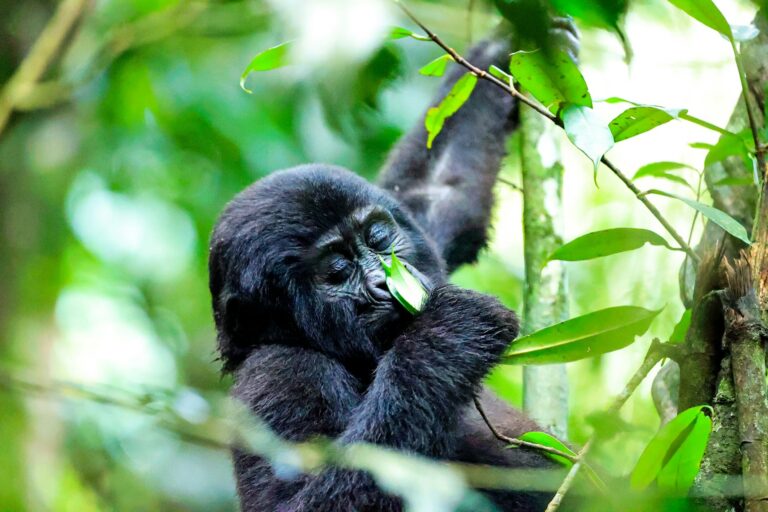
Planning a gorilla safari in Uganda is exciting, but let us be honest: the first serious question most travelers ask is not about the…
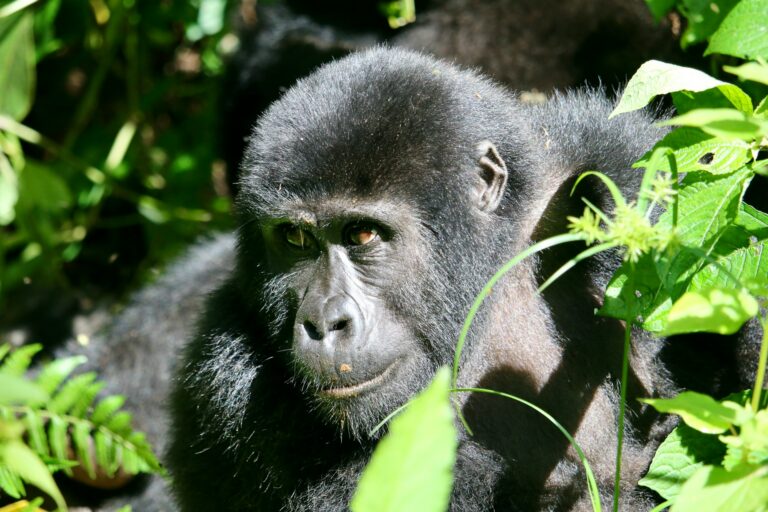
Uganda vs Rwanda gorilla trekking is one of the biggest questions travelers ask when planning a mountain gorilla safari in East Africa. Both countries…
The migration is in the Serengeti ecosystem year-round, but the best region changes by month. Southern calving is usually strongest from January to March, while northern Serengeti river-crossing planning is usually strongest from July to October.
They are different. Serengeti is larger, more varied by region, and central to the Tanzania migration cycle, while Masai Mara is more compact and powerful for certain migration and big-cat experiences. Many East Africa routes can combine both.
Three nights is a strong minimum for most Serengeti safaris. Migration-focused travelers, photographers, and luxury travelers often benefit from four or more nights, especially when staying in a seasonal region.
Yes for many travelers. Fly-in safaris save time, reduce long drives, and help place you closer to the right seasonal wildlife area, especially for luxury Serengeti safari or migration-focused planning.
Yes, with the right lodge, pacing, and routing. Families should consider drive times, child policies, private vehicles, camp style, and whether flying between regions will make the itinerary easier.
Yes. Serengeti, Ngorongoro, and Tarangire form one of Tanzania’s strongest safari circuits, combining vast plains, crater scenery, elephants, predators, and excellent route logic.