
Game drives along Tarangire River
The Tarangire River is the park’s wildlife spine, especially in dry months when elephants, buffaloes, antelopes, zebras, and predators use the river corridor.
Plan a wild Tarangire safari among giant elephant herds, ancient baobab trees Tanzania is famous for, riverine game drives, and a quieter Northern Circuit Tanzania safari atmosphere.
Tarangire National Park Tanzania is one of the most atmospheric Tanzania safari destinations, known for massive elephant herds, ancient baobab trees, seasonal wildlife movement, and a wilder, quieter safari mood than the busier northern circuit icons.
The park is shaped by the Tarangire River, a crucial dry-season water source that draws elephants, zebras, wildebeest, buffaloes, giraffes, antelopes, predators, and rich birdlife into rewarding game-drive country. The scenery is unmistakable: broad river valleys, baobab-dotted ridges, open woodland, swamps, and warm golden light.
Tarangire works beautifully before or after Ngorongoro Crater, Serengeti, and Lake Manyara. It is especially strong for travelers who want elephants in Tarangire, scenic landscapes, authentic safari atmosphere, and a Northern Circuit Tanzania safari that feels more layered than a simple checklist route.
Tarangire is one of East Africa’s great elephant landscapes. Large herds, family groups, bulls, calves, river crossings, and baobab-framed sightings give a Tarangire wildlife safari its most memorable identity.
The park’s baobab trees create a scenic signature unlike anywhere else on the northern circuit. They give Tarangire game drives a sculptural, cinematic quality, especially in warm morning and late-afternoon light.
Tarangire often feels less polished and more elemental than Tanzania’s headline parks: dusty tracks, broad valleys, quiet corners, bird calls, elephant paths, and a strong sense of wild space.
Compared with the busiest Serengeti and Ngorongoro routes, Tarangire can offer a more relaxed rhythm, especially when the itinerary gives the park enough time instead of treating it as a quick stop.
The dry season is Tarangire’s strongest wildlife period because animals concentrate around the Tarangire River and remaining water sources, creating excellent game-drive conditions.
A Tarangire safari feels earthy, scenic, and alive: game drives along the river, elephants moving through baobabs, giraffes in open woodland, predators in patient shade, and dry-season wildlife gathering around water.
The Tarangire River is the park’s wildlife spine, especially in dry months when elephants, buffaloes, antelopes, zebras, and predators use the river corridor.
Elephants in Tarangire are the headline experience, with herds often seen feeding, crossing tracks, dusting, drinking, and moving through baobab country.
Lions, leopards, giraffes, zebras, wildebeest, buffaloes, impalas, waterbucks, and smaller species add variety beyond the elephant focus.
Baobab trees Tanzania travelers dream of are part of the daily scenery here, giving photography safaris and quiet game drives a distinctive Tarangire identity.
As surrounding areas dry out, wildlife can become more concentrated around water, making Tarangire especially rewarding for classic safari viewing.
Tarangire planning is shaped by water, season, lodge location, and how much time the route gives the park. The best areas help travelers understand why Tarangire is more than a short stop between Arusha and Ngorongoro.
The Tarangire River is the central wildlife corridor and the strongest orientation point for game drives, especially during dry-season wildlife concentration.
Baobab-rich valleys and ridges create the park’s iconic scenery, with elephants, giraffes, plains game, and warm light making this a strong photography area.
Silale Swamps and the wetter southern habitats add variety, birdlife, elephants, buffaloes, and a deeper sense of Tarangire’s seasonal ecology.
Northern Tarangire is often the easiest area to include in shorter northern circuit routes, with practical access, strong baobab scenery, and reliable game-drive loops.
Tarangire is best known for elephants, from big herds moving across open country to old bulls feeding beneath baobabs. For many travelers, this is the most powerful elephant safari on the Northern Circuit Tanzania safari route.
Tarangire’s wildlife changes with water and rainfall. In the dry season, animals move toward the river and remaining water sources, creating the park’s famous wildlife concentration.
Lions, leopards, hyenas, jackals, giraffes, buffaloes, zebras, wildebeest, impalas, waterbucks, and other herbivores keep game drives varied beyond elephant viewing.
Tarangire is excellent for birding, with riverine habitats, swamps, woodland, raptors, and seasonal species adding strong interest for photographers and birdwatchers.
The best dry-season game drives can feel immersive because wildlife gathers around water while the baobab landscapes stay open, warm, and visually powerful.
Tarangire is primarily a game-drive destination, but the strongest safaris combine elephants, photography, birding, walking where available, cultural context, and classic sundowner moments.
Tarangire game drives are best when paced slowly around river corridors, baobab country, woodland edges, and seasonal water sources.
Elephants, baobabs, dust, warm light, giraffes, predators, and open woodland make Tarangire one of Tanzania’s most photogenic safari parks.
Birdwatching is rewarding around the river, swamps, woodland, and open habitats, especially for travelers who enjoy variety beyond large mammals.
Where arranged through suitable camps or permitted areas, walking safaris can add a slower view of tracks, plants, birds, and Tarangire’s wild atmosphere.
Respectfully planned cultural visits near the wider route can add human context without distracting from the park’s wildlife focus.
Sundowners suit Tarangire beautifully, especially after late-afternoon game drives through baobab country and elephant landscapes.
The best time to visit Tarangire is usually the dry season, especially from around June to October, when wildlife concentrates around the Tarangire River and other remaining water sources.
This is the strongest period for elephants in Tarangire, classic game drives, predator tracking, and easier wildlife visibility. It is also a popular time for Northern Circuit Tanzania safari routes, so good lodges should be planned early.
The green season brings softer scenery, birdlife, fewer vehicles in some periods, and a quieter mood. It can be excellent for travelers who value landscapes and atmosphere, though wildlife may be more dispersed than in the peak dry months.
Where to stay in Tarangire depends on season, comfort level, route direction, and whether you want the park to be a short northern circuit stop or a deeper wildlife stay.
Luxury camps and lodges suit travelers who want strong locations, refined guiding, views, privacy, and a slower elephant safari rhythm. Mid-range stays can offer excellent value when positioned well for game drives. Budget options work best when drive times and expectations are planned clearly.
The best Tarangire stay should support access to the river, baobab landscapes, wildlife concentration, and onward routing to Ngorongoro, Serengeti, Lake Manyara, or Arusha.
Kuzora can recommend luxury, mid-range, or practical Tarangire stays based on elephant viewing, route direction, comfort level, travel dates, and northern Tanzania safari planning.
The best Tarangire safari routes use the park for what it does best: elephants, baobabs, dry-season wildlife, and a wild scenic counterpoint to Serengeti and Ngorongoro.
A focused Tarangire safari built around elephant herds, baobab landscapes, river game drives, birdlife, and a quieter Tanzania wildlife safari rhythm.
A strong northern circuit pairing Tarangire’s elephant country and baobabs with Ngorongoro Crater wildlife density and dramatic crater scenery.
A classic route combining Tarangire, Ngorongoro, Serengeti, and Lake Manyara for elephants, crater wildlife, big cats, and varied landscapes.
These safari packages include Tarangire National Park, elephants in Tarangire, baobab landscapes, dry-season wildlife, Tarangire game drives, or strong combinations with Ngorongoro, Serengeti, Lake Manyara, and Tanzania safari destinations.
Tarangire is usually accessed by road from Arusha and works well at the beginning or end of a Northern Circuit Tanzania safari. It combines naturally with Lake Manyara, Ngorongoro Crater, Serengeti, and Zanzibar extensions.
The park can be used for a short stay, but it becomes more rewarding when the itinerary gives enough time for different habitats and dry-season wildlife movement. Route planning should consider lodge position, drive times, season, and whether the safari continues toward Ngorongoro or Serengeti.
Tarangire planning should focus on season and water. Dry months usually produce stronger wildlife concentration, while green months offer softer landscapes and birdlife.
Pack neutral safari clothing, sun protection, binoculars, camera gear, layers for early drives, and practical shoes. For photographers, Tarangire rewards patience: elephants, baobabs, dust, and low light can create some of the most evocative images in Tanzania.
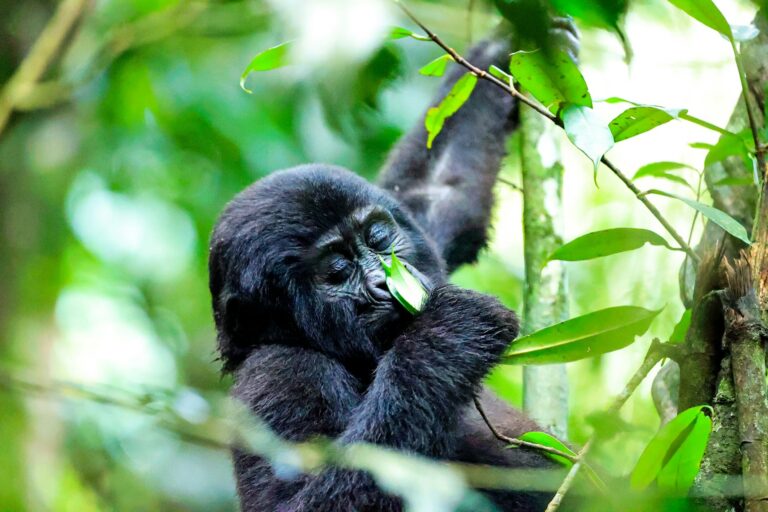
Planning a gorilla safari in Uganda is exciting, but let us be honest: the first serious question most travelers ask is not about the…
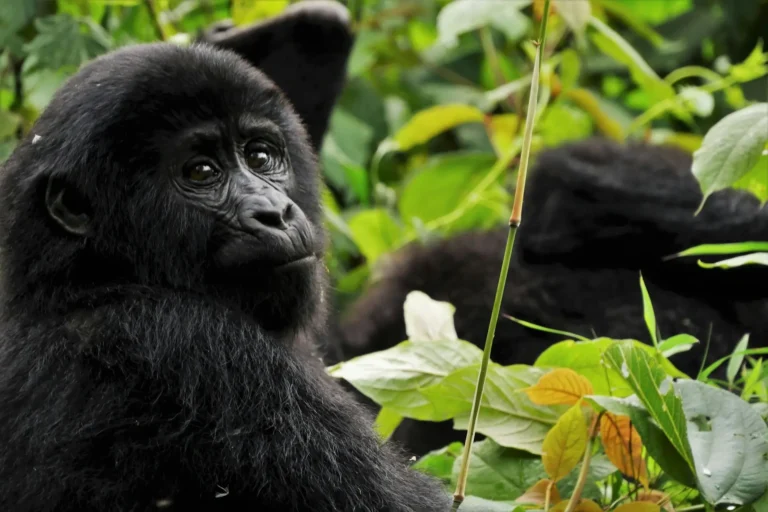
Planning a gorilla trekking safari in Uganda in 2026? The first thing you need to understand is the gorilla permit. Not the lodge. Not…
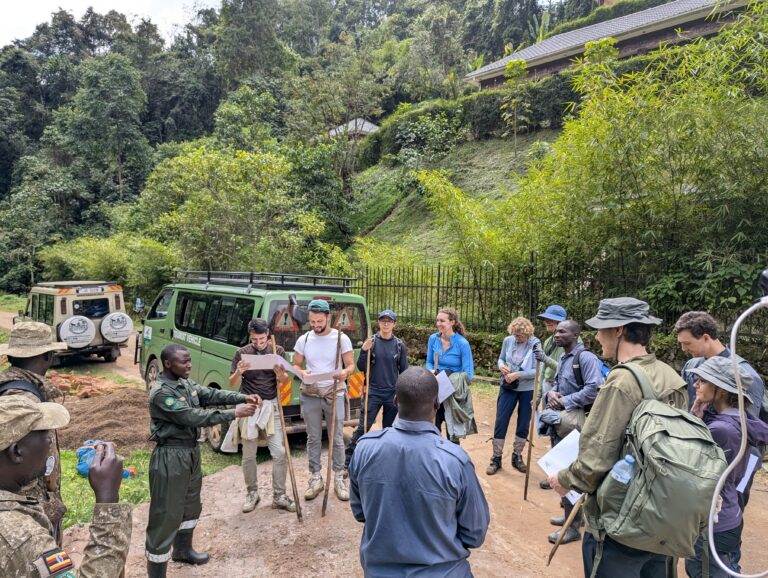
What is the best time to visit Uganda for safari? This is one important question to start with when planning a safari in Uganda.…
The dry season, especially from around June to October, is usually best for elephants in Tarangire because herds concentrate around the river and remaining water sources.
One night can work on a short northern circuit, but two nights usually gives a better Tarangire safari rhythm, especially for elephants, photography, and less rushed game drives.
They are different. Tarangire is stronger for elephants, baobab landscapes, and a quieter wild atmosphere, while Serengeti is stronger for vast plains, big cats, and migration-focused safaris.
Walking safaris may be possible through suitable camps or permitted arrangements. Availability depends on lodge, guide setup, park rules, and itinerary design.
Yes. Tarangire can be excellent for families because elephant sightings, varied wildlife, scenic landscapes, and shorter northern circuit access make the park engaging without needing very long drives.
Yes. Tarangire, Ngorongoro, and Serengeti form one of Tanzania’s strongest safari circuits, combining elephants, crater wildlife, big cats, migration country, and varied landscapes.