
Sunrise and sunset game drives
Amboseli game drives are strongest in early and late light, when Kilimanjaro may be clearest, predators move, elephants cross the plains, and the park feels most cinematic.
Plan an Amboseli safari around giant elephant herds, Mount Kilimanjaro views, open plains, marsh wildlife, golden light, and classic Kenya safari photography.
Amboseli National Park Kenya is one of Africa’s most photogenic safari landscapes: giant elephants crossing open plains, marshes glowing in soft light, and Mount Kilimanjaro rising beyond the horizon when the skies are clear.
This is the classic Mount Kilimanjaro safari scene. Amboseli is famous for elephants in Amboseli, including impressive tuskers, but the park also supports lions, cheetahs, giraffes, buffaloes, zebras, wildebeest, hyenas, hippos, rich birdlife, and superb game-drive country shaped by wetlands and dry plains.
Amboseli works beautifully as a short safari from Nairobi or as part of a larger Kenya safari route with Masai Mara, Tsavo, Lake Nakuru, or the coast. For travelers who want scenery, photography, accessible wildlife, and a premium East African atmosphere, it is one of the strongest Kenya safari destinations.
Amboseli is one of the best places in East Africa to watch elephants at close range. Large family groups move between marshes and open plains, creating powerful wildlife moments, especially when Kilimanjaro appears behind them.
The park’s signature image is wildlife set against Mount Kilimanjaro. Clear mornings and late afternoons can create dramatic backdrops for elephants, giraffes, zebras, wildebeest, and sweeping plains.
Amboseli is built for photography: open views, soft dust, reflective marshes, big skies, and classic East African silhouettes. It is especially strong for travelers who want scenic wildlife rather than only species lists.
Amboseli is practical for shorter Kenya safaris because it can be reached by road from Nairobi or by scheduled/domestic flights, making it easy to combine with Masai Mara, Tsavo, or a Nairobi arrival night.
Game drives in Amboseli feel relaxed, open, and iconic. The wildlife is approachable, the landscapes are readable, and the park gives first-time safari travelers a strong sense of place quickly.
An Amboseli safari is scenic and wildlife-rich: sunrise game drives under Kilimanjaro, close elephant encounters, lions and cheetahs on open plains, marsh life, and soft evening light across one of Kenya’s most iconic landscapes.
Amboseli game drives are strongest in early and late light, when Kilimanjaro may be clearest, predators move, elephants cross the plains, and the park feels most cinematic.
The elephants in Amboseli are the park’s defining experience. Herds often move calmly between feeding grounds, water, and marshes, allowing unhurried viewing and exceptional photography.
Lions, cheetahs, giraffes, buffaloes, zebras, wildebeest, hyenas, hippos, jackals, and rich birdlife make Amboseli much more than an elephant park.
The contrast between wetlands and dry plains gives Amboseli its character: green marsh edges, dusty crossings, open horizons, and wildlife framed by changing light.
For photographers, Amboseli offers clean backgrounds, big skies, elephant behavior, Kilimanjaro backdrops, and beautiful dawn or dusk compositions.
Amboseli is compact, but its best experiences change with water, light, wildlife movement, and where you stay. These areas help shape game-drive planning and photography timing.
The Central Plains deliver the classic Amboseli safari feel: open country, elephants, plains game, predator movement, and wide views toward Kilimanjaro when visibility is good.
Observation Hill gives one of the strongest orientation points in the park, with views over marshes, plains, wildlife movement, and the broader Amboseli basin.
The marshes are essential for elephants, hippos, buffaloes, waterbirds, and lush green contrasts against the drier landscapes. They are especially rewarding in harsh dry periods.
Western Amboseli can feel quieter and more spacious, with strong landscape drama, movement corridors, and good route logic for select lodges and private conservancy extensions.
Enkongo Narok Swamp is a key wetland area for elephants, birdlife, buffaloes, and atmospheric photography when wildlife gathers around permanent water.
Amboseli is centered on wildlife viewing, but the strongest trips layer game drives with photography, culture, birding, and carefully timed scenic moments.
Game drives are the core of an Amboseli safari, with early mornings and late afternoons best for elephants, predators, Kilimanjaro views, and cooler wildlife movement.
Amboseli is one of Kenya’s best photography parks, especially for elephants against Kilimanjaro, marsh reflections, dust trails, golden light, and big-sky compositions.
Respectfully arranged Maasai cultural visits add context to the region, especially when connected to local communities and planned as part of a thoughtful safari day.
Wetlands, plains, and seasonal water attract strong birdlife, from waterbirds and raptors to colorful species that add depth to a wildlife safari Lake Amboseli region experience.
Sundowners work beautifully around Amboseli’s open horizons, especially after an afternoon game drive when the landscape cools and Kilimanjaro light begins to shift.
Depending on lodge location and conservancy arrangements, guided nature experiences can add slower landscape interpretation beyond vehicle-based game drives.
The best time to visit Amboseli depends on whether the priority is wildlife concentration, Kilimanjaro visibility, photography, or quieter travel.
The dry seasons from June to October and January to February are usually excellent for wildlife viewing because animals rely more heavily on permanent water and the vegetation is easier to read. These months are especially strong for classic Amboseli safari tours and first-time Kenya safaris.
For Mount Kilimanjaro views, early mornings are often best, with clearer conditions more likely in drier months, although visibility can change quickly. Green-season travel can be beautiful for dramatic skies, birding, fresh landscapes, fewer vehicles, and softer photography.
Where to stay in Amboseli depends on whether you want direct park access, Kilimanjaro views, quieter conservancy-style experiences, or efficient routing from Nairobi.
Luxury lodges and camps suit travelers who want stronger views, privacy, guiding, service, and a refined safari rhythm. Mid-range lodges can still work very well when location and game-drive timing are chosen carefully. Budget options are best for practical itineraries where the priority is park access, elephants, and clean route flow.
The best choice should support sunrise game drives, photography timing, and whether Amboseli stands alone or combines with Masai Mara, Tsavo, Nairobi, or a wider Kenya safari route.
Kuzora can recommend luxury, mid-range, or practical Amboseli stays based on travel dates, Kilimanjaro-view priorities, comfort level, and route direction.
The best Amboseli safaris use the park’s strengths clearly: elephants, Kilimanjaro views, open plains, easy Nairobi access, and smooth combinations with Masai Mara, Tsavo, or a broader Kenya safari.
A focused short Amboseli safari from Nairobi built around elephants, Kilimanjaro views, classic game drives, and efficient park logistics.
A classic Kenya safari pairing Amboseli elephants and Kilimanjaro scenery with Masai Mara predators, open savannah, and migration-season possibilities.
A refined Amboseli safari using premium lodges, strong guiding, scenic game drives, photographic timing, and a slower luxury safari rhythm.
These safari packages include Amboseli National Park, elephant-focused Kenya routes, Mount Kilimanjaro safari scenery, Nairobi access, Big Five safari Kenya combinations, or strong links with Masai Mara and Tsavo.
Most Amboseli safari tours begin in Nairobi. Road transfers are common and practical for short safaris, while domestic flights suit luxury travelers, tighter timelines, or routes combining multiple Kenya safari destinations.
Amboseli also works well after a Nairobi arrival night, before or after Masai Mara, or as part of a broader southern Kenya route with Tsavo. The right routing depends on dates, budget, lodge location, vehicle style, and whether the safari continues by road or air.
Pack neutral layers, sun protection, a light jacket for early game drives, camera support, binoculars, and dust protection for lenses. If flying, use soft bags and check baggage limits before confirming camp logistics.
For photography, plan around early mornings and late afternoons. Kilimanjaro views are never guaranteed, so build the safari around the whole Amboseli experience: elephants, marshes, plains, predators, birdlife, and the light that makes the park feel so iconic.
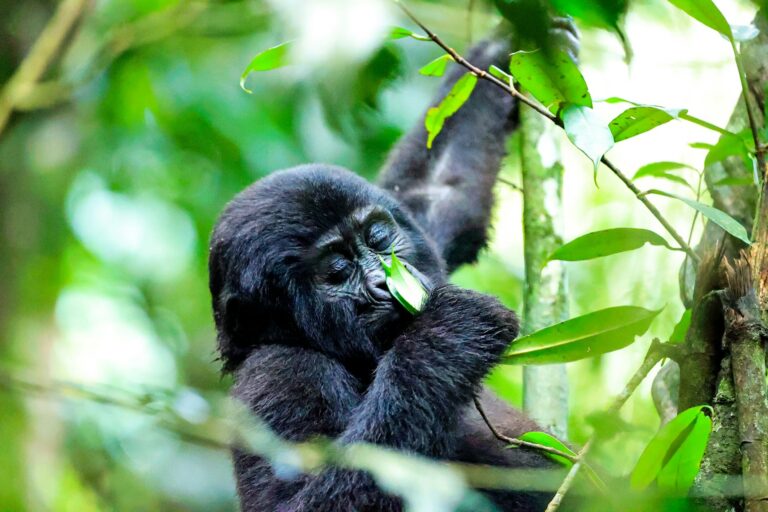
Planning a gorilla safari in Uganda is exciting, but let us be honest: the first serious question most travelers ask is not about the…
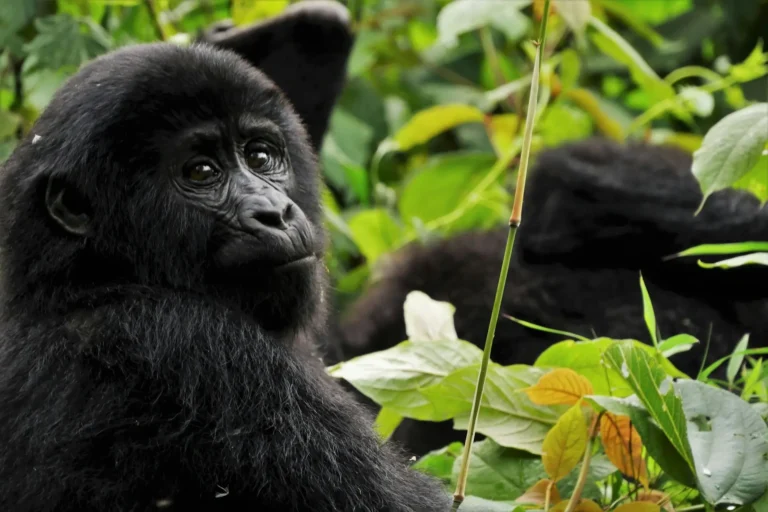
Planning a gorilla trekking safari in Uganda in 2026? The first thing you need to understand is the gorilla permit. Not the lodge. Not…
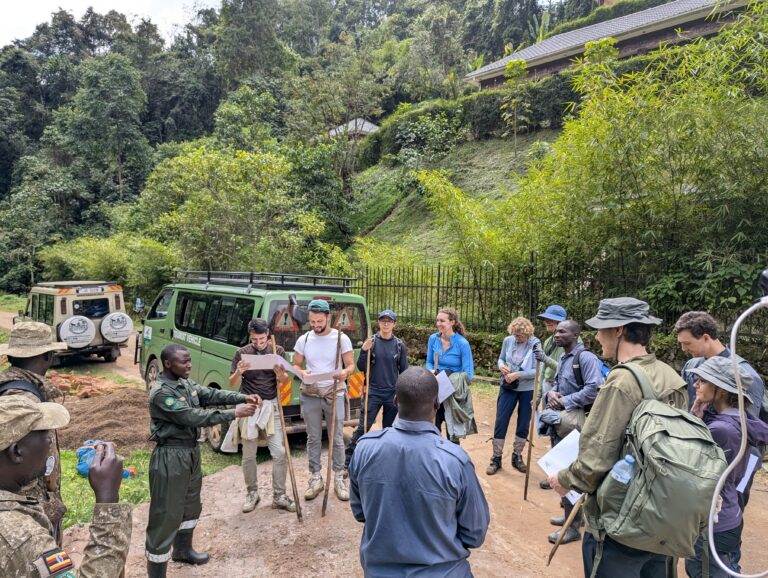
What is the best time to visit Uganda for safari? This is one important question to start with when planning a safari in Uganda.…
Early mornings are usually best for Mount Kilimanjaro views, especially in drier months when skies are more likely to be clear. Visibility can still change quickly, so a two-night stay improves your chances.
Yes. Amboseli is one of the strongest parks in East Africa for elephant viewing, including large herds and impressive tuskers, although exact sightings depend on weather, water, and wildlife movement.
Two nights is a strong starting point for most Amboseli safaris. One night can work from Nairobi, but two nights gives better light, more game drives, and a stronger chance of clear Kilimanjaro views.
They are different. Amboseli is best for elephants, Kilimanjaro scenery, and scenic photography, while Masai Mara is stronger for big cats, open savannah, and migration planning. Many Kenya safaris combine both.
Yes. Amboseli is accessible, visually engaging, and excellent for children because elephant viewing can be frequent and dramatic. Lodge choice, drive times, and pacing should be planned carefully for families.
Yes. Amboseli has excellent wildlife but is usually strongest when paired with Masai Mara, Lake Nakuru, Tsavo, or other Kenya safari destinations for broader Big Five safari Kenya planning.