
Game drives around the lake
Lake Nakuru game drives move through varied habitats in a short distance, with lake views, woodland tracks, grassland pockets, and strong chances for rhinos, giraffes, buffaloes, and plains wildlife.
Plan a scenic Lake Nakuru safari around flamingos, rhino conservation, acacia woodland game drives, Rift Valley viewpoints, and elegant Kenya safari circuit connections.
Lake Nakuru National Park Kenya is compact, scenic, and quietly powerful: a Rift Valley lake framed by cliffs, acacia woodland, euphorbia forest, open grassland, and wildlife that can be surprisingly rich for the park’s size.
A Lake Nakuru safari is famous for flamingos Lake Nakuru, seasonal birdlife, and its reputation as a strong rhino safari Kenya destination. White rhinos, black rhinos, Rothschild giraffes, buffaloes, zebras, waterbucks, lions, leopards, hyenas, and varied birdlife make the park an elegant wildlife stop rather than only a lake viewpoint.
Lake Nakuru fits beautifully into Kenya safari destinations because it sits naturally between Nairobi and the western safari circuit. It is ideal as a short Rift Valley safari Kenya stop before Masai Mara, after Amboseli, or within a broader Kenya wildlife itinerary.
Lake Nakuru is one of Kenya’s most important rhino conservation landscapes, giving travelers a strong chance of seeing rhinos within a compact and scenic safari setting.
The park is famous for flamingos Lake Nakuru, but birding goes far beyond one species. Pelicans, raptors, waterbirds, woodland species, and seasonal movements make the lake rewarding for both casual observers and serious birders.
Cliffs, lake edges, acacia woodland, grasslands, and viewpoints give Lake Nakuru a refined scenic character that feels different from the open drama of Masai Mara or the elephant plains of Amboseli.
Lake light, birds, rhinos, giraffes, wooded tracks, and elevated viewpoints make the park especially good for travelers who want elegant landscape-led wildlife photography.
Lake Nakuru is practical from Nairobi and works well as a circuit stop. It can add rhino interest, birdlife, and Rift Valley scenery without making the itinerary feel heavy.
A Lake Nakuru safari is compact, scenic, and polished: game drives around the lake, rhino sightings, flamingo and pelican viewing, acacia woodland, Rothschild giraffes, and a softer Rift Valley atmosphere between larger safari parks.
Lake Nakuru game drives move through varied habitats in a short distance, with lake views, woodland tracks, grassland pockets, and strong chances for rhinos, giraffes, buffaloes, and plains wildlife.
The park is one of the strongest places to add a rhino safari Kenya element to a classic route, with both black and white rhinos possible depending on movement and conditions.
Flamingo visibility changes with water levels and food conditions, but Lake Nakuru remains an excellent birding destination with pelicans, raptors, waterbirds, and woodland species.
Acacia woodland, euphorbia stands, lake edges, and open glades give Lake Nakuru an elegant feel, with Rothschild giraffes, buffaloes, zebras, waterbucks, and predators adding depth.
Lions, leopards, hyenas, buffaloes, giraffes, zebras, and antelopes can all feature, making the park more wildlife-rich than many travelers expect from a short stop.
Lake Nakuru is easy to include in a route, but the best game drives still depend on water levels, light, wildlife movement, and which areas are prioritized during the day.
The shoreline is the park’s visual signature, with lake views, birdlife, seasonal flamingo activity, pelicans, and wildlife moving near the water depending on conditions.
Baboon Cliff is one of the strongest viewpoints in Lake Nakuru, giving wide Rift Valley views over the lake, woodland, and surrounding park landscapes.
The acacia woodland areas are important for giraffes, rhinos, buffaloes, leopards, birdlife, and quieter game-drive moments away from the lake edge.
Makalia Falls adds a scenic nature stop within the park, especially useful for travelers who enjoy landscape variety, photography, and a slower safari rhythm.
Lake Nakuru is best experienced through slow, scenic game drives that make room for rhinos, birds, viewpoints, photography, and the park’s compact Rift Valley atmosphere.
Game drives are the core Lake Nakuru safari experience, with short distances between lake scenery, rhino zones, woodlands, viewpoints, and wildlife pockets.
Birdwatching is excellent around the lake and woodland areas, with flamingos, pelicans, raptors, waterbirds, and seasonal bird activity shaping the experience.
Lake Nakuru is highly photogenic, especially for rhinos, giraffes, lake reflections, flamingos when present, Rift Valley backdrops, and woodland light.
Viewpoints such as Baboon Cliff help travelers understand the landscape and capture the park’s Rift Valley scale beyond close wildlife sightings.
Short scenic stops, waterfall visits, woodland interpretation, and slower game-drive pacing make Lake Nakuru a refreshing contrast to longer savannah days.
The best time to visit Lake Nakuru depends on whether your priority is rhino sightings, birding, flamingo visibility, photography, or green Rift Valley scenery.
Dry-season months from June to October and January to February are usually strong for wildlife viewing because vegetation is easier to read and game drives feel more predictable. These months work well for Lake Nakuru safari tours that connect Nairobi, Amboseli, and Masai Mara.
Birding can be rewarding year-round, while flamingo numbers shift with lake levels, algae, and regional movement. Green-season travel can be beautiful for fresh scenery, dramatic skies, fewer vehicles, and softer photography.
Where to stay in Lake Nakuru depends on whether the park is a one-night circuit stop, a slower birding stay, or part of a premium Kenya safari route.
Luxury and upper mid-range lodges suit travelers who want stronger views, comfort, and a more relaxed Rift Valley pause. Mid-range lodges can work very well for circuit safaris where location, access, and timing matter most. Budget options are best for practical itineraries that prioritize rhinos, flamingos, and efficient routing.
The best accommodation choice should support your arrival direction from Nairobi, your onward route to Masai Mara or Amboseli, and how much time you want for photography and birding.
Kuzora can recommend luxury, mid-range, or practical Lake Nakuru stays based on travel dates, comfort level, birding interest, and Kenya safari route direction.
The best Lake Nakuru safaris use the park’s strengths clearly: rhinos, flamingos, Rift Valley scenery, Nairobi access, and smooth combinations with Masai Mara, Amboseli, or wider Kenya safari destinations.
A focused short Lake Nakuru safari from Nairobi built around rhinos, flamingos, Rift Valley viewpoints, and compact wildlife game drives.
A classic Kenya safari pairing Lake Nakuru rhinos, flamingos, and Rift Valley scenery with Masai Mara predators and open savannah.
A broader Kenya wildlife safari using Lake Nakuru for rhino and birdlife depth alongside Amboseli, Masai Mara, or other Kenya safari destinations.
These safari packages include Lake Nakuru National Park, rhino safari Kenya planning, Rift Valley safari Kenya scenery, flamingo and birding interest, or strong combinations with Masai Mara, Amboseli, and Nairobi.
Lake Nakuru is most often reached by road from Nairobi and works naturally as a stop between Nairobi and the western Kenya safari circuit. It can be used before Masai Mara, after Amboseli, or as part of a compact Rift Valley safari Kenya route.
Because the park is relatively compact, many travelers use one night well. A slower stay can make sense for birding, photography, or travelers who want a softer pace between larger safari parks.
Pack binoculars, neutral layers, sun protection, camera support, and patience for birding conditions that change with water levels and season. Flamingo visibility is natural and variable, so the best plans treat flamingos as a highlight rather than the only reason to visit.
For photography, allow time for Baboon Cliff, lake edges, rhino zones, and woodland tracks. Lake Nakuru works best when the safari is paced around scenery as much as sightings.
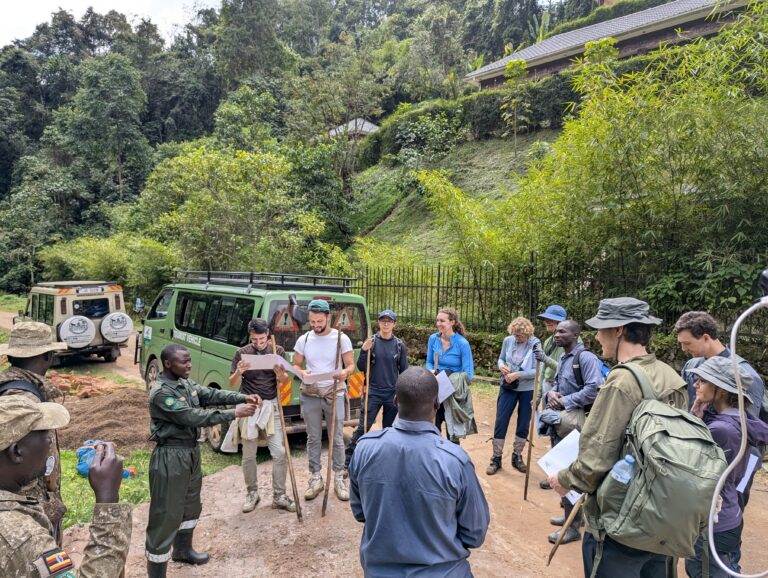
What is the best time to visit Uganda for safari? This is one important question to start with when planning a safari in Uganda.…
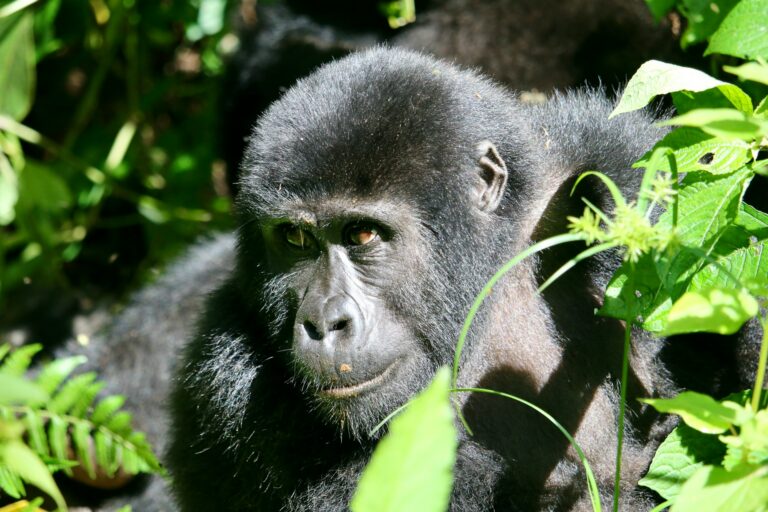
Uganda vs Rwanda gorilla trekking is one of the biggest questions travelers ask when planning a mountain gorilla safari in East Africa. Both countries…
Flamingo numbers vary with water levels, algae, and regional movement, so sightings cannot be guaranteed in one fixed season. Birding remains rewarding year-round, with pelicans and many other species often present.
Lake Nakuru is one of Kenya’s stronger rhino safari destinations, with both white and black rhinos possible. Sightings depend on movement, vegetation, and guiding, but the park has an excellent rhino reputation.
One night is enough for many Kenya safari circuits, especially when combining with Masai Mara or Amboseli. Two nights can suit birders, photographers, or travelers wanting a slower Rift Valley safari pace.
They serve different purposes. Lake Nakuru is stronger for rhinos, birdlife, lake scenery, and Rift Valley landscapes, while Masai Mara is stronger for big cats, open savannah, and migration planning. Many routes combine both.
Yes. The park is compact, scenic, and varied, which can work well for families. Drive times, lodge choice, and routing from Nairobi should be planned carefully to keep the experience comfortable.
Yes. Lake Nakuru combines very well with Amboseli and Masai Mara, adding rhino conservation, birdlife, and Rift Valley scenery to a more complete Kenya safari circuit.