
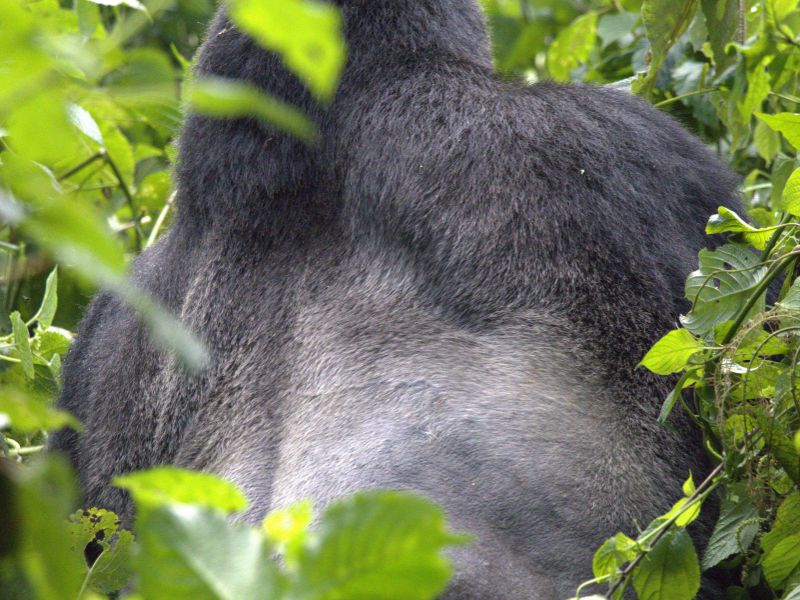
Silverback Gorilla Weight: How Much Does a Gorilla Weigh?
Gorilla Trekking
kuzoraadmin
Kuzora Safari Travel Expert
How Much Does a Silverback Gorilla Weigh?
A fully grown silverback gorilla usually weighs 300–440 pounds, or 136–200 kilograms
Silverback gorilla weight is usually between 300 and 440 pounds, which is about 136 to 200 kilograms. Some very large males may be heavier, but this is the most realistic range for an adult male gorilla in the wild. A silverback is not a separate gorilla species; it is a mature adult male gorilla with silver-grey hair across his back, usually developed as he reaches full adulthood.
A silverback’s weight is not just body size. It represents muscle, leadership, age, protection, and survival. In a gorilla family, the silverback is the dominant male. He leads movement, protects the group, settles tension, watches over infants, and responds when danger appears.
For travelers planning a gorilla trekking safari in Uganda, understanding silverback gorilla weight makes the experience more meaningful. When you stand quietly in Bwindi Impenetrable National Park or Mgahinga Gorilla National Park and see a silverback sitting near his family, you are not just looking at a large animal. You are looking at the largest living primate, a powerful forest leader, and one of Africa’s most emotional wildlife encounters.
Silverback Gorilla Weight in Pounds
In pounds, silverback gorilla weight is commonly around 300–440 lb.
Some sources may mention heavier numbers, especially when talking about exceptional individuals or gorillas in captivity. But for a wild silverback, especially a mountain gorilla silverback seen during trekking in Uganda or Rwanda, the practical range is usually around 300–440 pounds.
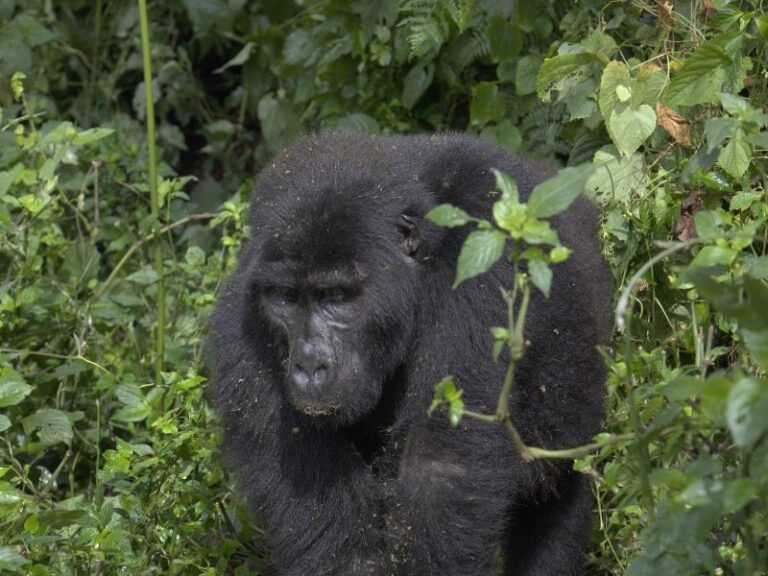
A 400-pound silverback is not built like a 400-pound human. His body is compact, muscular, and powerful. The shoulders are broad. The arms are long and strong. The chest is deep. The back is heavy. Even when he is sitting calmly and feeding, you can feel the strength in his body.
This is one reason gorilla trekking rules are taken seriously. Silverbacks are usually calm when respected, but they are still wild animals. Visitors must follow the instructions of Uganda Wildlife Authority rangers and expert guides at all times.
Silverback Gorilla Weight in KG
In kilograms, silverback gorilla weight is usually around 136–200 kg.
This is the number most international travelers want when comparing gorilla size with human size. A mature silverback can weigh more than two adult men combined, depending on the people being compared. But the more important point is muscle density. Gorillas have very strong upper bodies, especially around the arms, shoulders, chest, and back.
For mountain gorilla trekking in Uganda, a mature silverback weighing around 150–200 kg is already extremely impressive. When he moves through the vegetation, breaks stems, beats his chest, or simply sits in silence, his size is unforgettable.
Silverback Gorilla Weight Comparison Table
| Comparison | Approximate Weight | Helpful Note |
|---|---|---|
| Adult silverback gorilla | 300–440 lb / 136–200 kg | Mature male gorilla |
| Large silverback gorilla | 400+ lb / 180+ kg | Usually an exceptional mature male |
| Adult female gorilla | Much lighter than male | Often around half the male’s size |
| Average adult human male | Far lighter | A silverback can weigh two to three times more |
| Newborn gorilla | Very small | Male gorillas grow slowly into full size |
People often search for gorilla weight expecting one fixed number. In reality, gorilla weight changes depending on age, sex, species, health, habitat, and whether the gorilla is wild or captive.
Is a Silverback the Biggest Gorilla?
In a gorilla family, yes, the silverback is normally the largest and strongest member. Adult females are smaller, younger gorillas are lighter, and blackbacks, which are younger adult males, have not yet reached the full size and authority of a silverback.
The word “silverback” refers to the grey or silver saddle of hair that develops on the back of a mature male gorilla. The Dian Fossey Gorilla Fund explains that silverbacks are adult male gorillas and that males reach full adult size between about 15 and 18 years of age.
So when people ask about silverback gorilla weight, they are really asking about a mature male gorilla at or near full physical development.
Why Are Silverback Gorillas So Heavy?
Silverbacks are heavy because their bodies are built for strength, protection, and forest life.
Their arms are long and powerful. Their shoulders are massive. Their hands and fingers are strong enough to grip vegetation, climb when needed, and move through thick forest. Their jaw muscles are also powerful because gorillas spend a lot of time chewing tough plants.
Despite their size, gorillas are mostly plant eaters. Kuzora Safari Tours primates experts have noticed gorillas feed on plant material such as stems, bamboo shoots, fruits, and other vegetation, depending on habitat and season.
This surprises many people. A silverback looks strong enough to be a hunter, but he is not like a lion or leopard. His body is powered mostly by a high-volume plant diet. He eats a lot, rests often, moves with his group, and uses his strength mainly for protection, movement, and social authority.
Silverback Gorilla Weight vs Human Weight
A mature silverback gorilla can weigh two to three times more than an average adult human male. But the difference is not only on the scale.
A human body and a gorilla body are shaped differently. Gorillas have longer arms, broader shoulders, thicker necks, and a much more powerful upper body. Their posture and movement are also different. They usually move by knuckle-walking, using their long arms and strong hands to support their weight.
This is why even a seated silverback looks enormous. He does not need to stand upright to show his size. His chest, shoulders, and arms already tell the story.
But size should not be confused with aggression. A silverback is powerful, yes, but most gorilla trekking encounters are peaceful. The silverback may watch visitors, continue feeding, groom, rest, or move slowly with his family. The experience is safe when visitors behave properly and follow ranger guidance.
How Strong Is a Silverback Gorilla?
A silverback gorilla is extremely strong, but many strength claims online are exaggerated or impossible to prove scientifically. It is better to say this clearly: silverbacks are powerful enough to protect their families, challenge rival males, break vegetation, climb when needed, and dominate their social space.
Their strength comes from their body structure. The long arms, heavy muscles, broad chest, and strong grip all work together. In the wild, strength is not for showing off. It is for survival.
A silverback may beat his chest, charge briefly, roar, or tear vegetation during a display. These displays often warn rather than start a fight. In many cases, the goal is to avoid real physical conflict by showing power first.
That is part of what makes gorillas so fascinating. They are among the strongest animals in the forest, yet much of their daily life is quiet: feeding, resting, grooming, watching infants, and guiding the family.
What Does a Silverback Gorilla Eat to Maintain Its Weight?
A silverback maintains his weight mostly through a plant-based diet. Mountain gorillas eat leaves, stems, shoots, roots, bark, flowers, and some fruit where available. Because this food is fibrous and not very calorie-dense compared to meat, gorillas spend a large part of the day feeding.
This is why you may see a silverback calmly eating for long periods during a trek. He may pull stems, strip leaves, chew slowly, rest, then feed again. His body needs a large amount of vegetation to maintain that size.
The fact that such a powerful animal is mostly vegetarian is one of the most interesting parts of gorilla biology. Silverback gorilla weight is not built from hunting large animals. It is built from years of feeding, growing, moving through forest, and developing into a mature male.
How Tall Is a Silverback Gorilla?
A mature silverback can stand up to around six feet when upright, though gorillas usually do not walk upright like humans. Adult male gorillas can have a height range of about four to six feet.
Their height is impressive, but their width is what most travelers remember. A silverback’s shoulders and chest make him look much larger than a human of similar standing height. When seated, he may appear almost like a living wall of muscle and dark fur.
This is why photos do not fully capture the moment. Seeing a silverback in person feels different. His size, stillness, and confidence create a presence that is hard to explain until you are there.
When Does a Male Gorilla Become a Silverback?
A male gorilla becomes a silverback as he matures and develops silver-grey hair across his back. This usually happens as he enters full adulthood. The Dian Fossey Gorilla Fund notes that “silverback” describes the distinctive silver hair adult males develop, not a separate species.
Male gorillas do not become dominant immediately just because they have silver hair. Leadership depends on age, strength, experience, confidence, and social position. Some silverbacks lead families. Others may live alone for a time. Some may challenge dominant males. Others may become secondary males within a group.
This matters because silverback gorilla weight is connected to maturity, but leadership is more than size. A successful silverback must protect, guide, and hold the group together.
Mountain Gorilla Silverback Weight in Uganda
Mountain gorilla silverbacks in Uganda are usually within the common adult male range of about 136–200 kg, or 300–440 lb.
Uganda is one of the best places in the world to see mountain gorillas because the country protects them in Bwindi Impenetrable National Park and Mgahinga Gorilla National Park. Uganda Wildlife Authority states that Uganda has more than half of the world’s mountain gorilla population in these two protected areas.
For travelers, this gives Uganda a strong advantage. You are not only reading about gorillas online. You can actually plan a trek into the forest and see a silverback with his family in a natural mountain habitat.
Where Can You See Silverback Gorillas in Uganda?
You can see silverback gorillas in two main places in Uganda:
Bwindi Impenetrable National Park
Bwindi is Uganda’s most popular gorilla trekking destination. It has several trekking sectors: Buhoma, Ruhija, Rushaga, and Nkuringo. Each sector has different lodge options, terrain, travel routes, and trekking experiences.
Mgahinga Gorilla National Park
Mgahinga is smaller, scenic, and part of the Virunga landscape. It is a good option for travelers who want mountain scenery, golden monkey tracking, and a quieter gorilla trekking experience.
For most travelers, Bwindi offers more flexibility because of its multiple sectors and wider lodge selection. But the best choice depends on your route, fitness level, budget, permit availability, and whether you want to combine gorillas with Queen Elizabeth National Park, Lake Bunyonyi, Kibale Forest, or Rwanda.
This is where local planning becomes important. The wrong sector can make your trip longer, more tiring, or less convenient. The right sector can make the whole safari smoother.
Best Bwindi Sector for Seeing a Silverback Gorilla
Every habituated gorilla family has at least one dominant silverback or mature male leader, though group structure can change over time. So the question is not simply “which sector has silverbacks?” The better question is: which sector best fits your safari plan?
Buhoma is often preferred by travelers who want classic Bwindi history, good lodge options, and easier connections to Queen Elizabeth National Park’s Ishasha sector.
Ruhija can work well for travelers coming from Kabale, Lake Bunyonyi, or those looking for a quieter mountain experience.
Rushaga is popular because it has many gorilla families and is also known for gorilla habituation experiences, depending on availability.
Nkuringo is beautiful and dramatic, but the terrain can be more challenging. It suits travelers who want scenery, adventure, and strong lodge options.
If your main dream is to see a powerful silverback, any sector can deliver that. If your dream is to have the best overall safari, then sector selection matters a lot.
Is It Safe to See a Silverback Gorilla?
Yes, gorilla trekking is generally safe when done officially with trained park rangers and guides. The gorillas visited by tourists are habituated, meaning they are used to limited and controlled human presence. But they are still wild animals, not pets.
Safety depends on behavior. You should stay calm, keep the required distance, avoid sudden movements, avoid flash photography, keep your voice low, and follow the ranger’s instructions. If a gorilla moves near you, do not run. Your guide will tell you what to do.
The IUCN Red List notes that mountain gorillas remain conservation-dependent and vulnerable to threats, even though their status improved from Critically Endangered to Endangered. This is why responsible tourism is important. The rules protect visitors, but they also protect gorillas from stress and human disease.
Why Silverback Gorilla Weight Matters for Safari Planning
At first, silverback gorilla weight sounds like a simple animal fact. But it connects to the bigger reason many travelers come to Uganda: to experience the presence of a silverback in the wild.
A safari article should not only answer how heavy a silverback is. It should also help the reader understand what it feels like to see one.
You may hear branches breaking before you see him. You may see the guides signal for silence. Then, through the leaves, you notice a huge dark shape sitting calmly on the forest floor. He may look at you once, then continue feeding. Around him, young gorillas may play, females may groom, and the group may move slowly through the vegetation.
That moment is why gorilla trekking is different from an ordinary wildlife sighting. You are not watching from a distant vehicle. You are standing in the forest, close enough to feel the mood of the family, but guided carefully enough to keep the encounter respectful.
Want to See a Silverback Gorilla in the Wild?
Reading about silverback gorilla weight is interesting. Seeing a silverback in Uganda is unforgettable.
Kuzora Safari Tours can help you plan a gorilla safari that fits your travel style, budget, and comfort level. That includes choosing the right Bwindi sector, checking gorilla permit availability, matching lodges, planning road or fly-in routes, and combining gorilla trekking with other Uganda safari experiences.
Good gorilla safari planning should answer questions like:
Which Bwindi sector is best for my itinerary?
Should I trek once or twice?
Can I combine gorillas with Queen Elizabeth National Park?
Should I sleep near Buhoma, Rushaga, Ruhija, or Nkuringo?
Is a fly-in gorilla safari worth it?
What is the cost of a gorilla permit and how early should I book?
What lodge level fits my budget?
These are the details that turn a normal gorilla trip into a well-planned safari.
Best Uganda Safari Ideas for Seeing Silverbacks
If you want to see a silverback gorilla in the wild, here are some strong Uganda safari ideas.
A 3-day Uganda gorilla trekking safari works well if you have limited time and mainly want the gorilla experience. It usually focuses on Bwindi, with one gorilla trek and transport from Entebbe or Kampala.
A 5-day gorilla and wildlife safari gives you more variety. You can combine Bwindi with Queen Elizabeth National Park for game drives, a boat safari, and the Ishasha sector if the route allows.
A 7-day Uganda primate safari is better if you want both gorillas and chimpanzees. This can combine Bwindi gorilla trekking with Kibale Forest chimpanzee tracking.
A luxury Uganda gorilla safari is ideal if you want premium lodges, private guiding, smoother transfers, and possibly fly-in options to reduce long driving time.
For serious wildlife lovers, doing two gorilla treks is often better than doing one. The first trek is emotional and exciting. The second gives you more time to observe behavior, take better photos, and understand the family structure more deeply.
Final Thoughts on Silverback Gorilla Weight
The real silverback gorilla weight is usually 300–440 pounds, or 136–200 kilograms. That makes the silverback the largest and most powerful member of the gorilla family.
But weight alone does not explain why people travel across the world to see him. A silverback is memorable because of his presence. He can be calm, protective, watchful, and gentle with his family, while still carrying unbelievable strength.
For travelers, Uganda offers one of the best opportunities to see silverbacks in the wild. Bwindi and Mgahinga are not just destinations on a map. They are living mountain forests where gorilla families still move, feed, rest, and raise their young.
If you are planning a Uganda gorilla safari, do not only ask, “How much does a silverback weigh?” Ask the better question: “Where can I have the most meaningful and well-planned gorilla trekking experience?”
That is where Kuzora Safari Tours can help you turn research into a real journey.
Safaris That Build On This Guide
These itineraries help translate editorial interest into real safari browsing and inquiry-ready trip ideas.
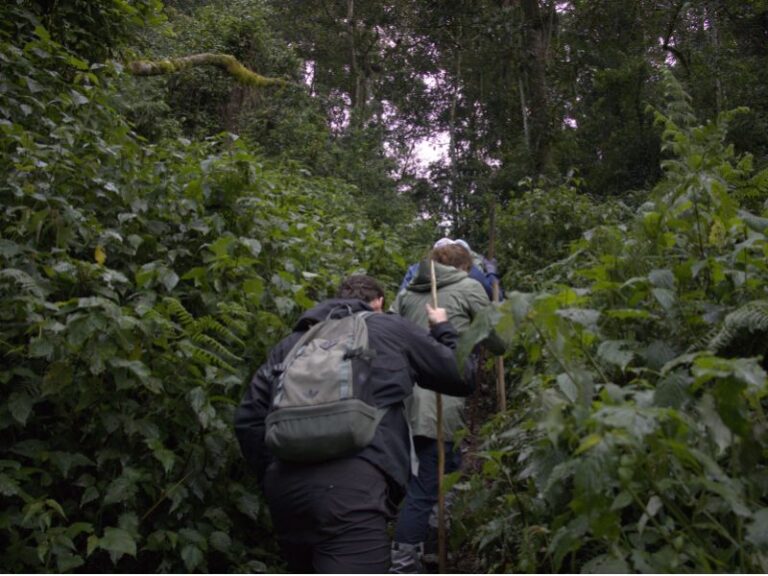
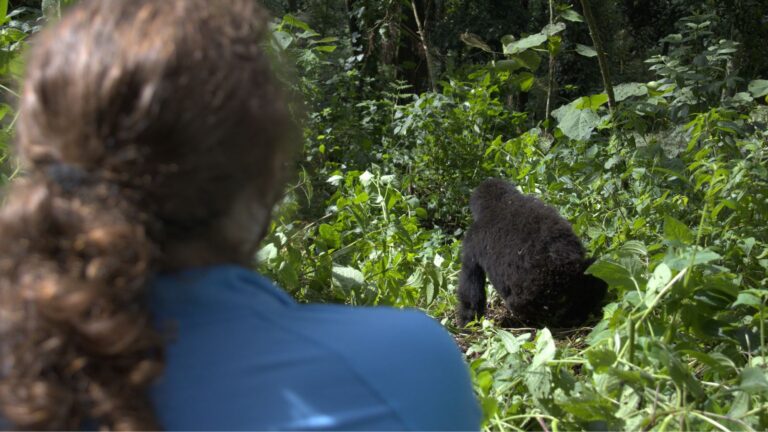
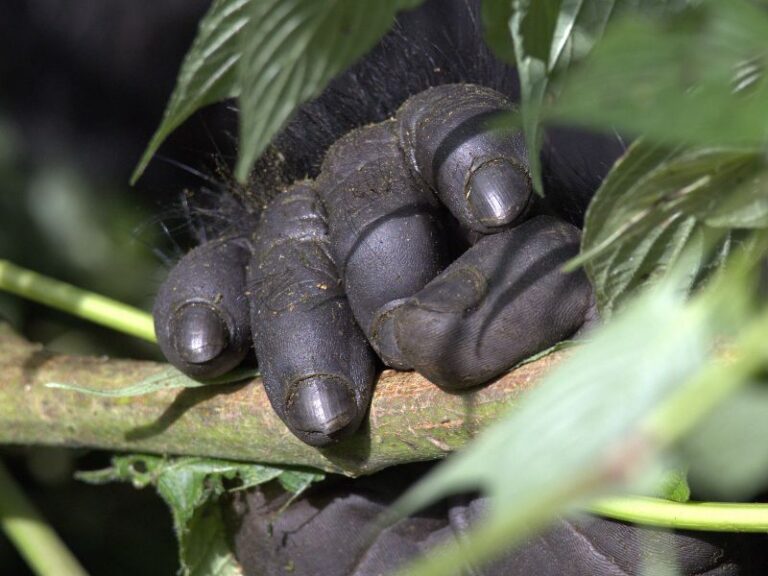
3 Day Uganda Gorilla Trekking Safari
Main Highlights
Batwa Cultural Experience, Forest Walks, Gorilla Trekking, One hour Gorilla Encounter
& More
Common Questions About This Guide
How much does a silverback gorilla weigh?
What is the average silverback gorilla weight in kg?
What is the average silverback gorilla weight in pounds?
How much does a mountain gorilla silverback weigh?
Is a silverback gorilla heavier than a human?
Is a silverback gorilla the largest primate?
At what age does a gorilla become a silverback?
Why are silverback gorillas so strong?
Where can I see silverback gorillas in Uganda?
You can see silverback gorillas in Bwindi Impenetrable National Park and Mgahinga Gorilla National Park. Uganda Wildlife Authority states that Uganda has more than half of the world’s mountain gorilla population.
Which Bwindi sector is best for seeing silverbacks?
Can Kuzora Safari Tours help me plan a gorilla safari?
Related Posts
Continue with articles selected from shared topics, categories, and practical safari planning context.
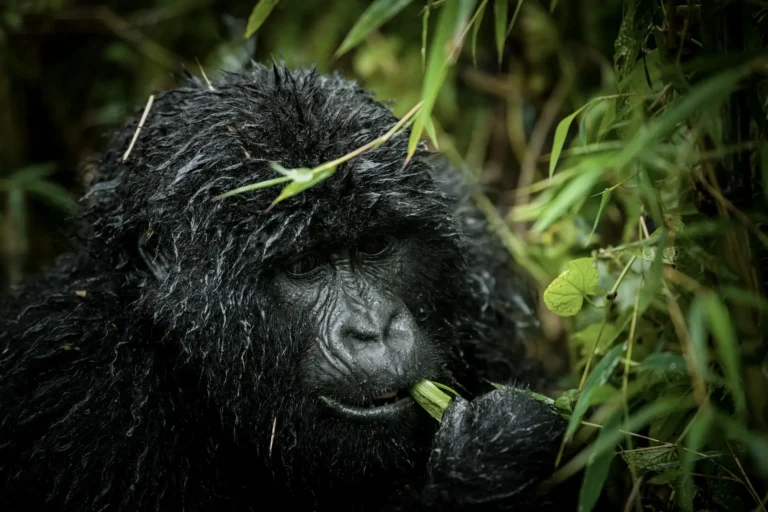
Rwanda Gorilla Permit Cost and Booking Guide
Rwanda Gorilla Permit Cost and Booking Guide A Rwanda gorilla permit is the official ticket that allows you to trek mountain gorillas in Volcanoes…
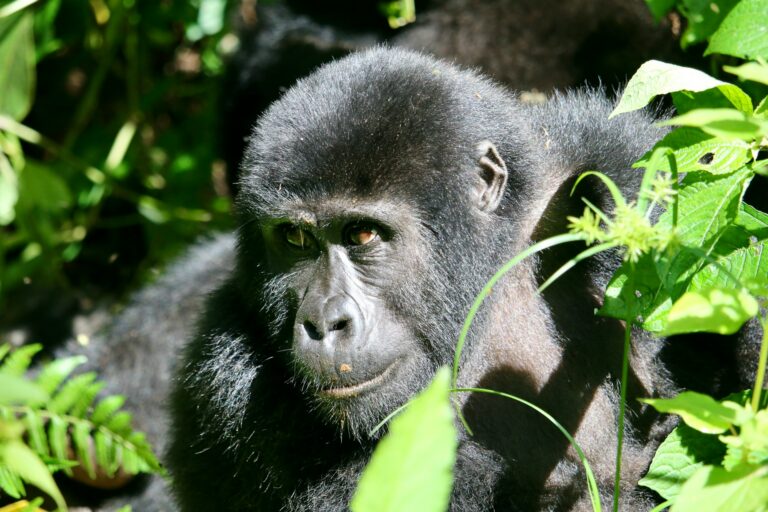
Uganda vs Rwanda Gorilla Trekking: Which Is Better for Your Safari?
Uganda vs Rwanda gorilla trekking is one of the biggest questions travelers ask when planning a mountain gorilla safari in East Africa. Both countries…
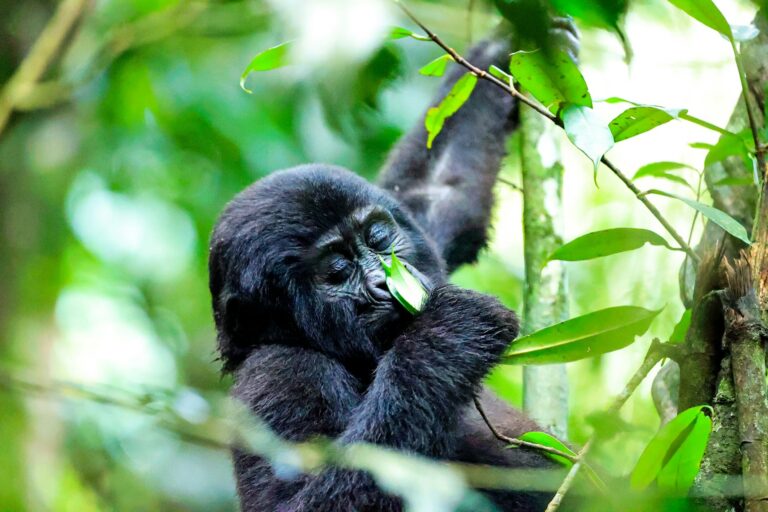
Uganda Gorilla Safari Cost 2026: What You Really Need to Budget
Planning a gorilla safari in Uganda is exciting, but let us be honest: the first serious question most travelers ask is not about the…
Enjoyed this guide?
Tap the heart to show appreciation. The total updates live for this safari guide.
Contents