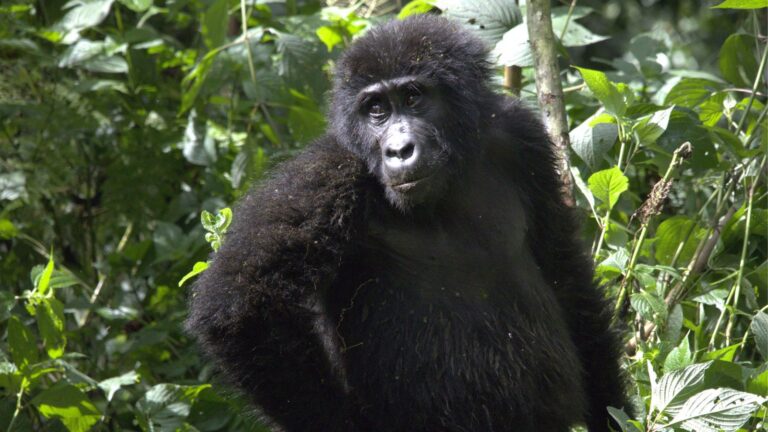
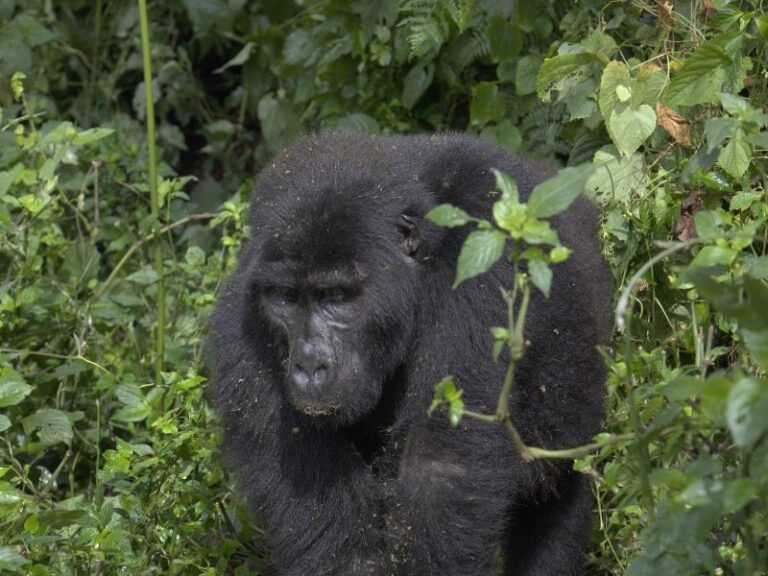
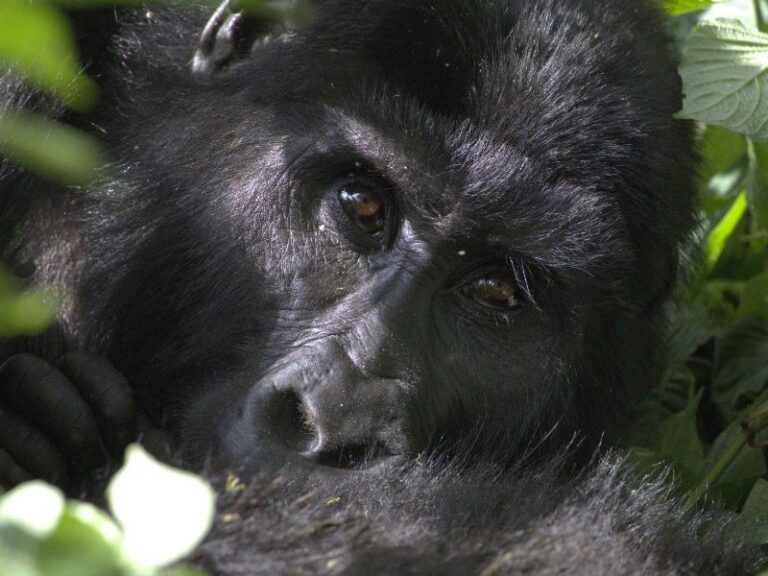
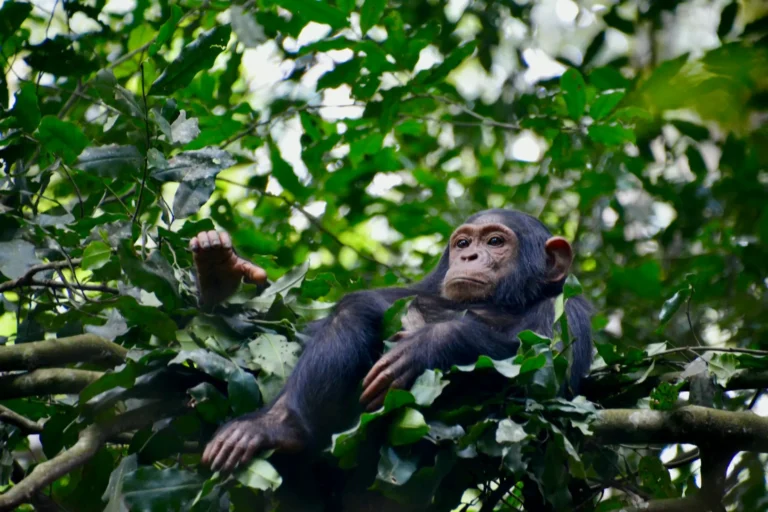
Gorilla trekking in Bwindi Impenetrable National Park is the experience that defines this destination. It is not a passive safari activity, but a guided walk through dense rainforest in search of one of the world’s most remarkable primates-mountain gorillas.
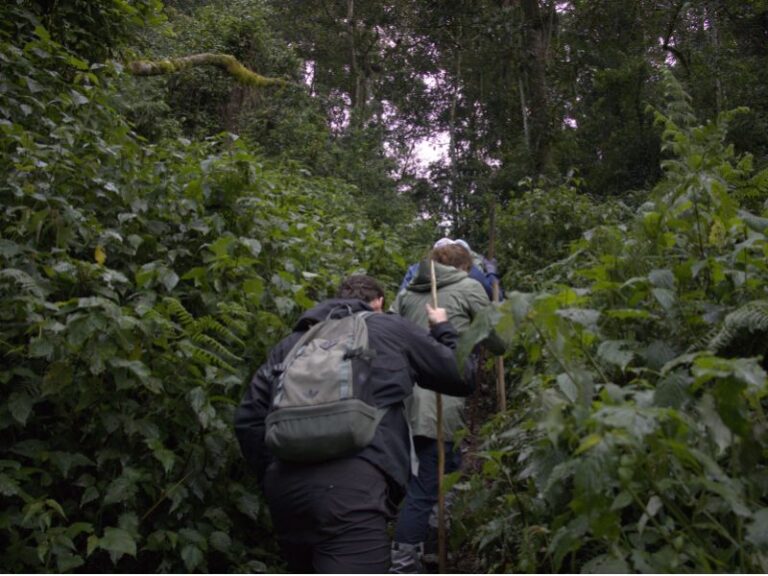
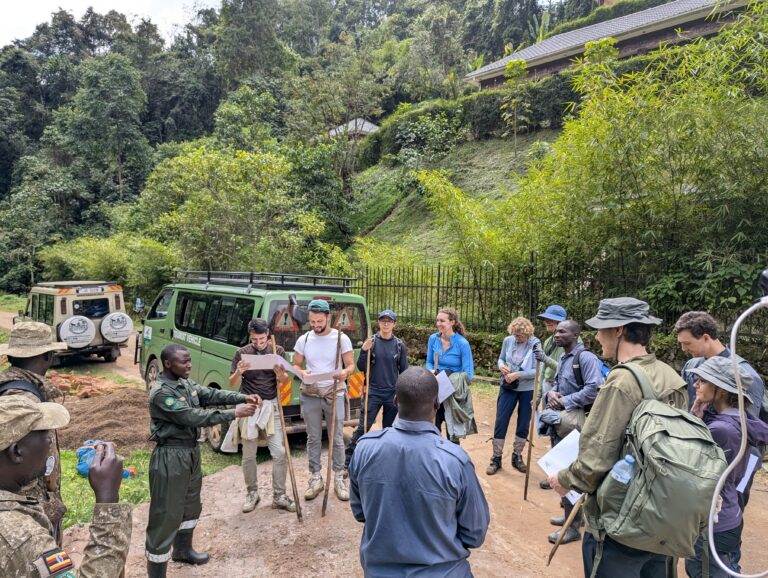
A typical Bwindi National Park gorilla trekking day starts early at the sector briefing point. Rangers explain the rules, assign trekking groups, and match guests to gorilla families based on permit allocation, sector, group size, and sometimes fitness considerations. From there, you walk into the forest with guides and trackers who understand the gorillas’ recent movement.
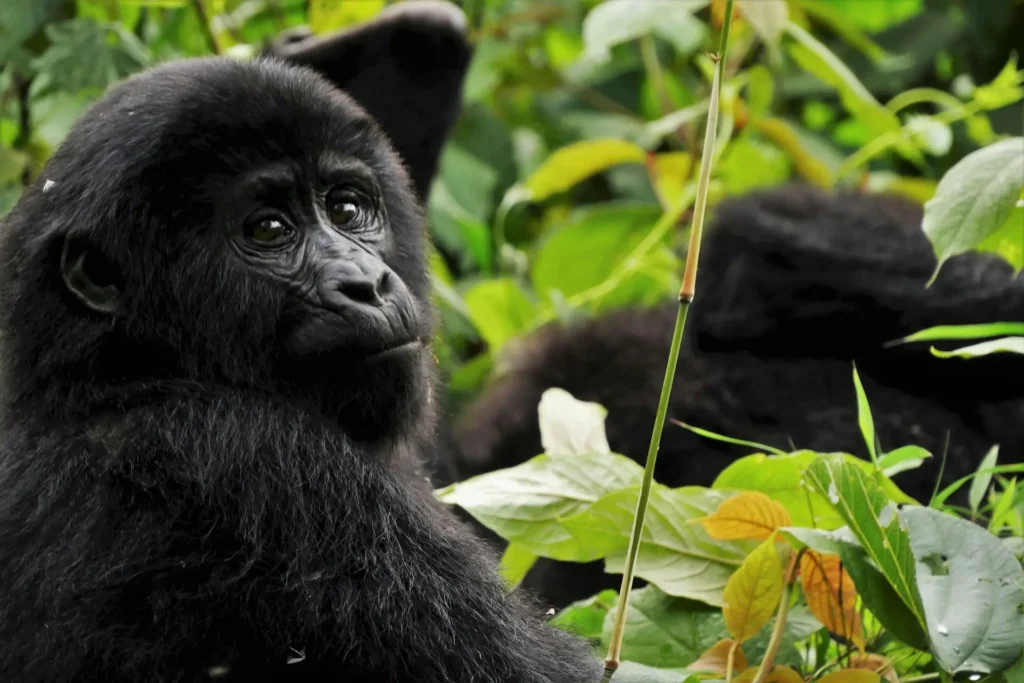
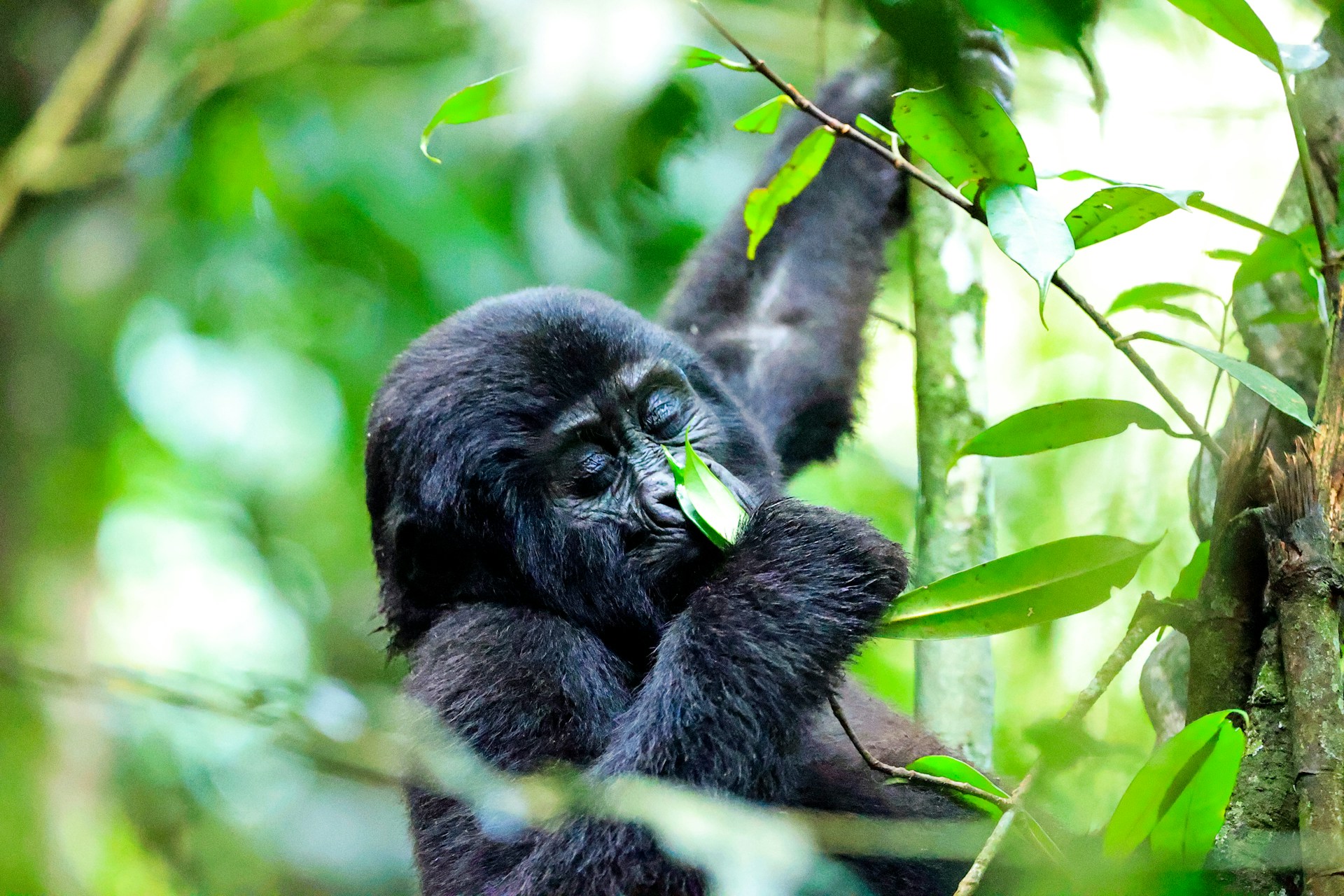
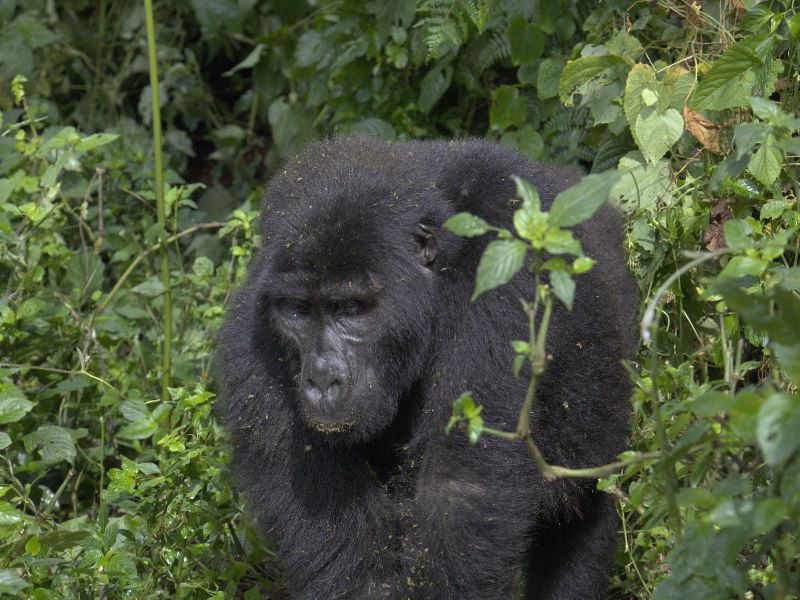
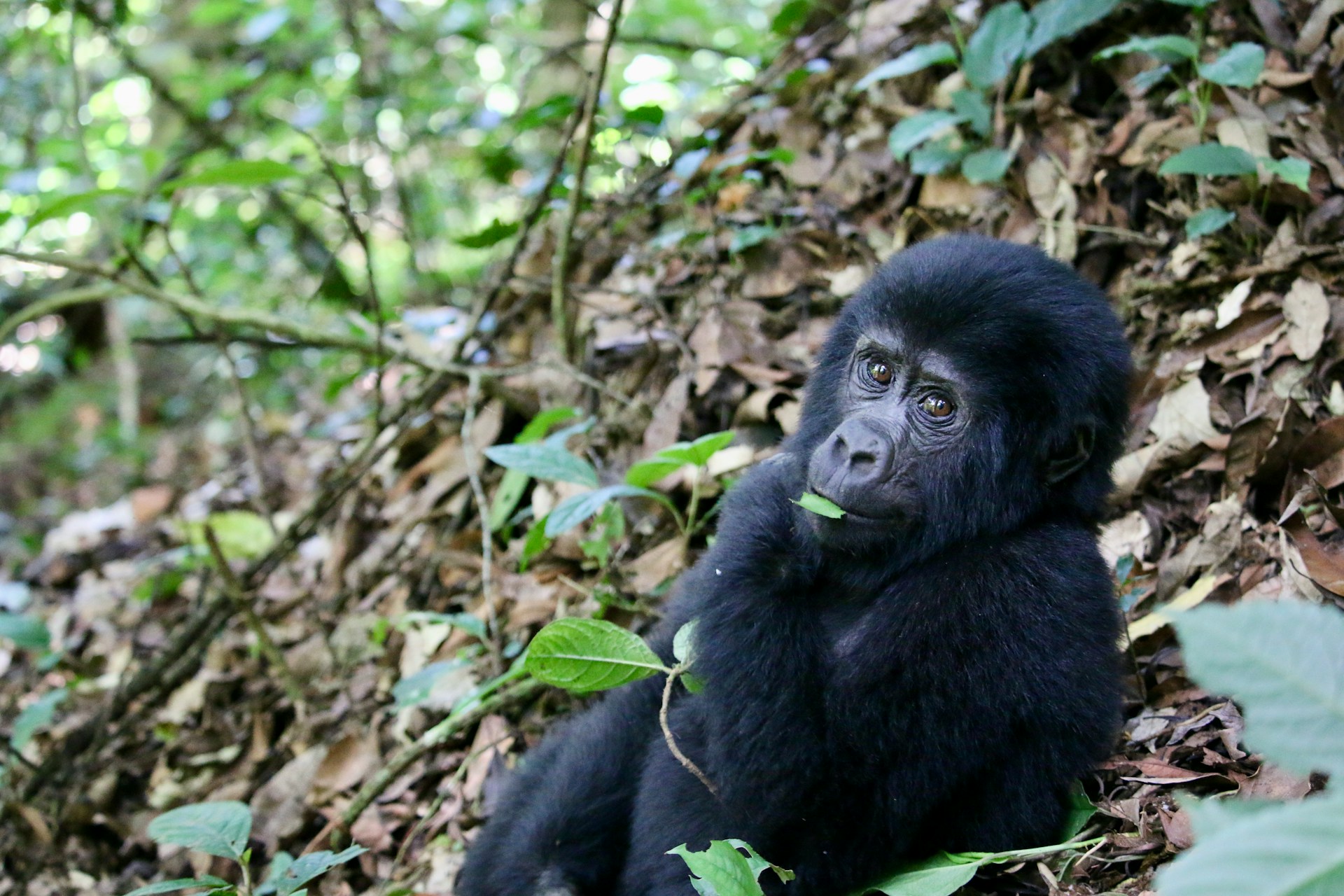
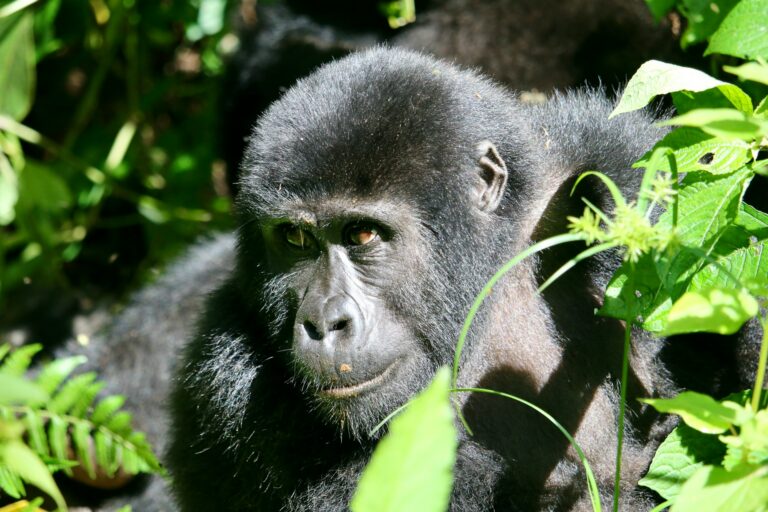
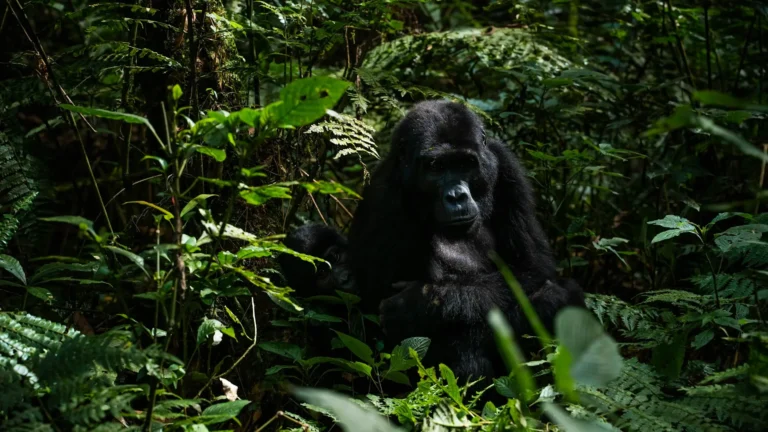
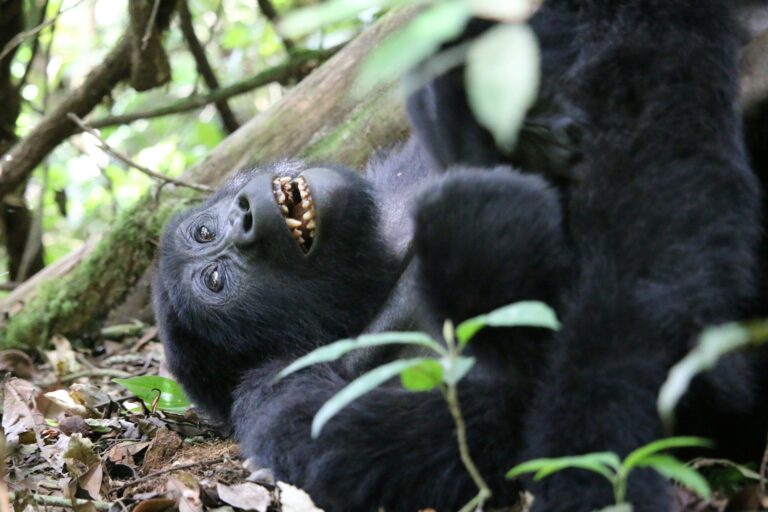
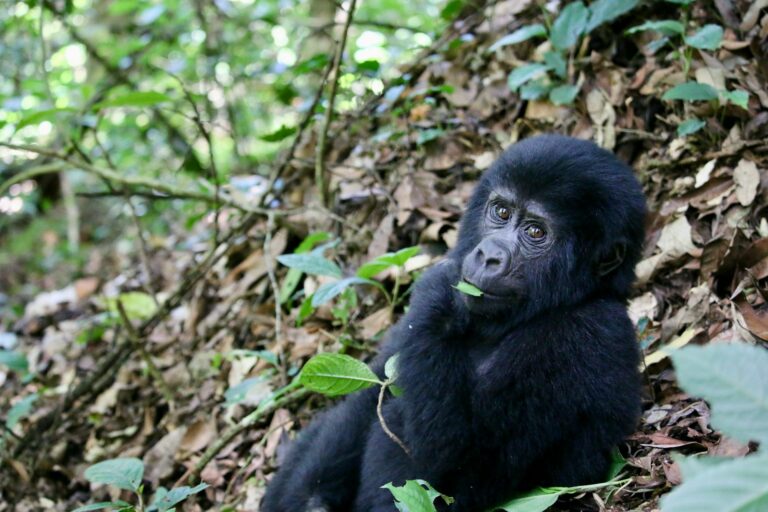
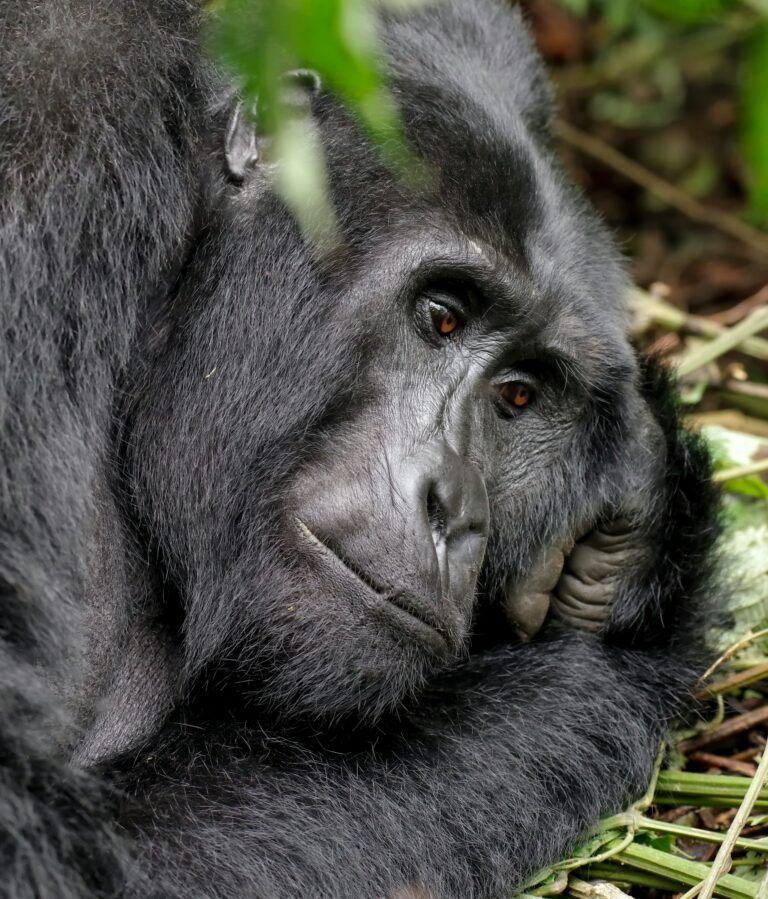
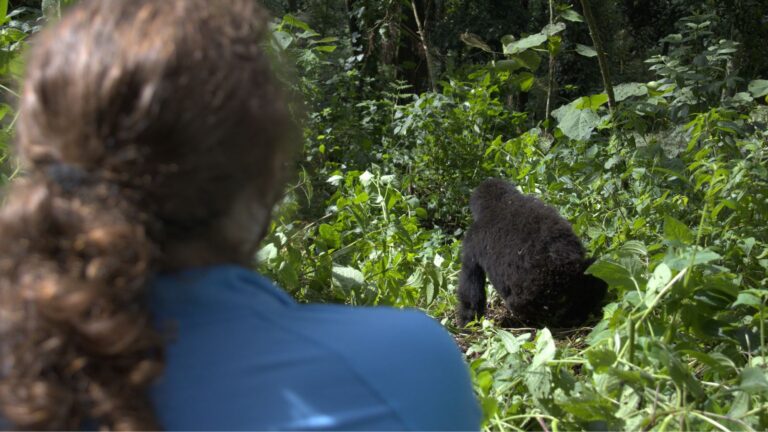
The trek can be short, moderate, or demanding. Bwindi is a real mountain rainforest, so trails can be muddy, steep, and uneven. That effort is part of the emotional weight of the experience. When the trackers locate the gorillas, the pace changes. Voices lower. Cameras come out quietly. For one regulated hour, you watch feeding, resting, grooming, young gorillas playing, and the calm authority of the silverback.
The strongest Bwindi gorilla trekking tours are planned around more than the permit. The sector should match the lodge. The lodge should match the route. The route should match your arrival point, onward safari plans, and how much road travel you want. This is where specialist planning matters, especially for luxury travelers, families, older guests, and anyone building a wider Uganda safari around Bwindi.
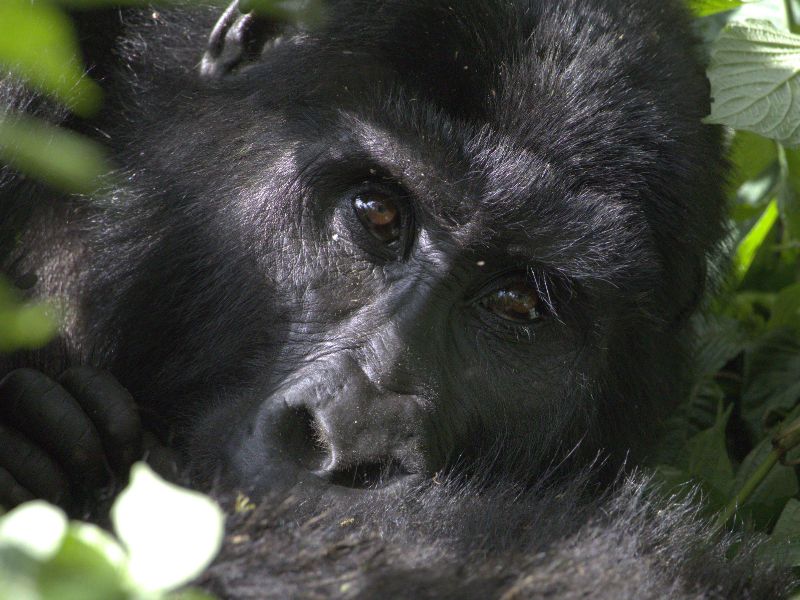
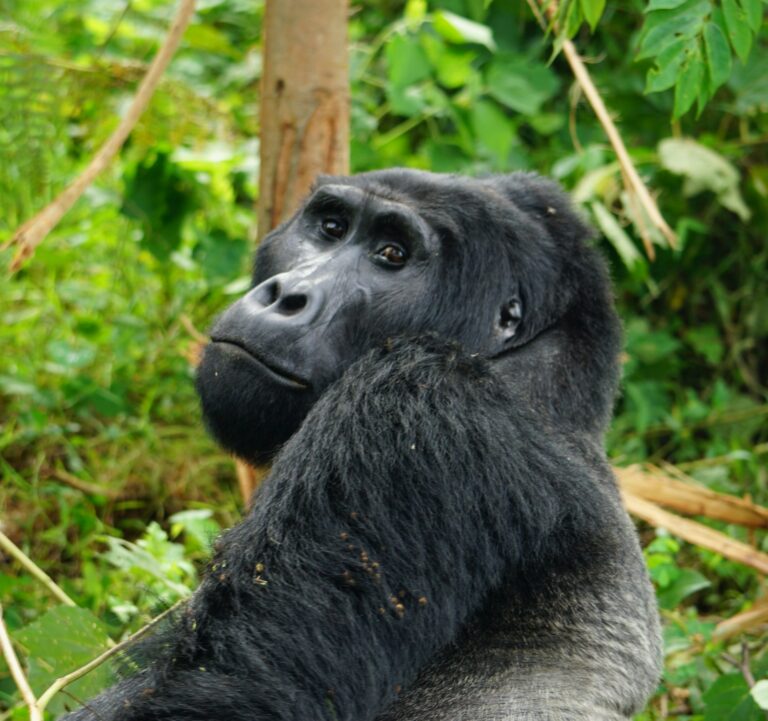
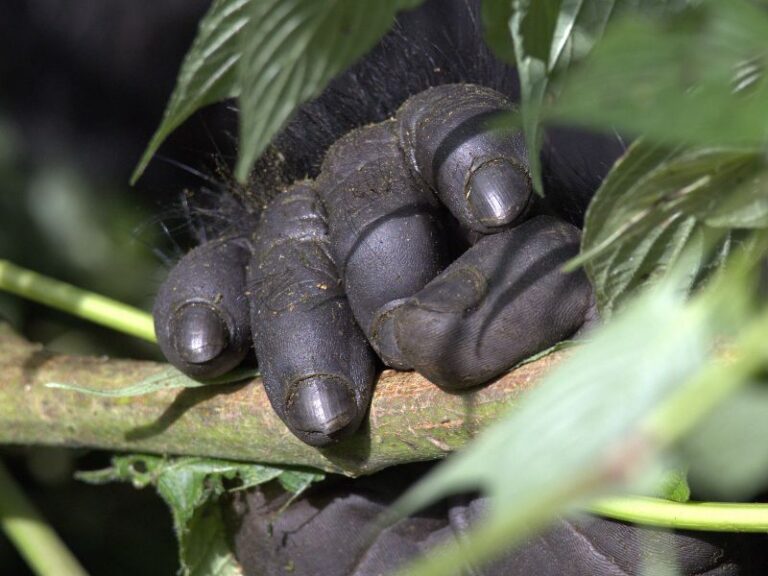
Mountain gorillas are the reason Bwindi Impenetrable National Park is known around the world. Bwindi is home to 459 mountain gorillas in the Bwindi-Sarambwe ecosystem, and Uganda remains one of the very few places on earth where mountain gorilla trekking is possible.
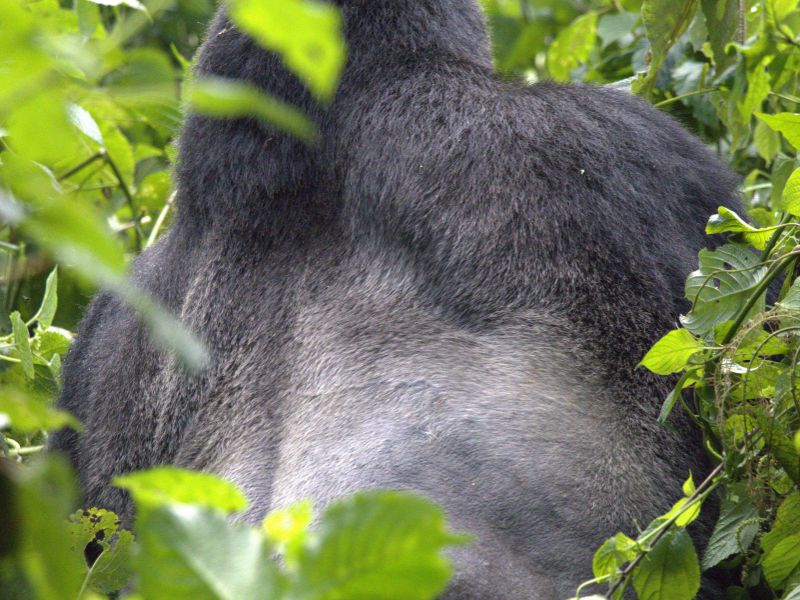
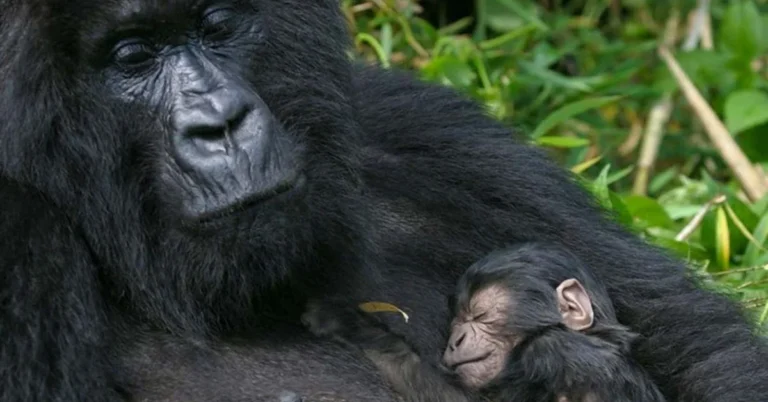
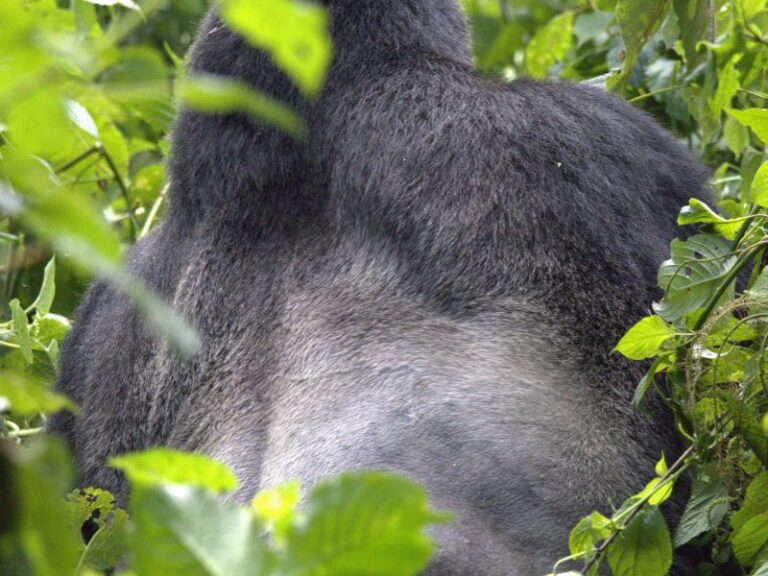
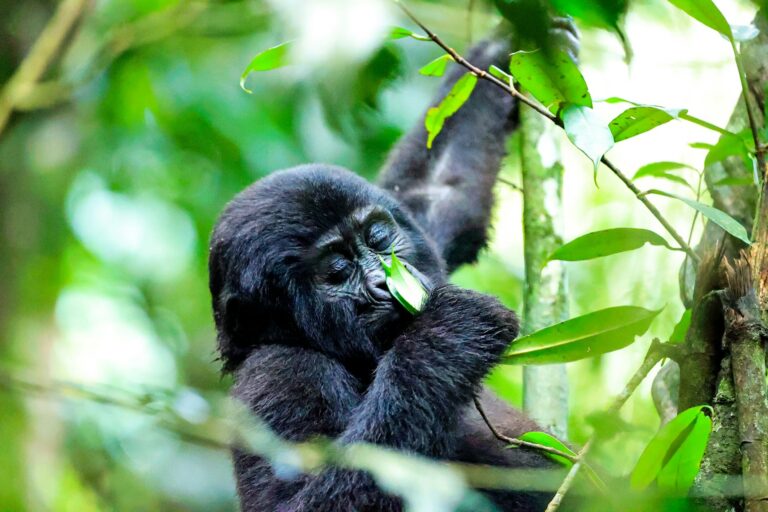
These gorillas live in close family groups led by a dominant silverback, and this social structure is part of what makes a trek so compelling. During an encounter, visitors may see infants clinging to their mothers, juveniles playing in the undergrowth, females feeding quietly, and the silverback keeping calm watch over the group.
Bwindi’s dense montane rainforest provides exactly the kind of habitat mountain gorillas need: thick vegetation, year-round moisture, and a rich supply of leaves, shoots, stems, and seasonal fruits.
Mountain gorillas also represent one of Africa’s most encouraging conservation stories. Continued protection, veterinary support, anti-poaching work, and carefully managed tourism remain central to that progress.
For travelers, that makes a Bwindi trek more than a safari highlight. It is a rare chance to witness one of the world’s most extraordinary great apes in a forest where conservation, community, and tourism are directly connected.
Bwindi gorilla permits are limited, demand can be high, and the sector attached to your permit affects where you should sleep. A well-planned Bwindi gorilla trekking tour protects the experience by securing permits early, matching the right sector, and avoiding unnecessary transfers on trekking day.